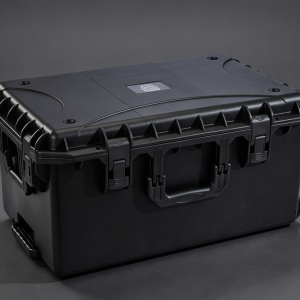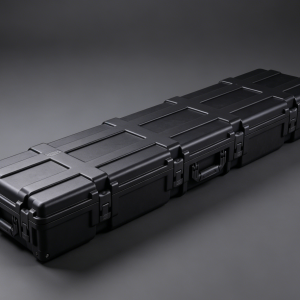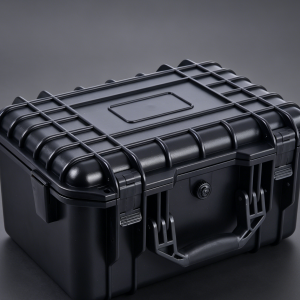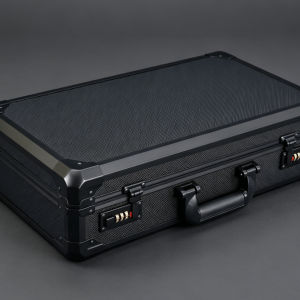
When choosing a tool box, many people face the same question: What size tool box should I buy? A small tool box is easy to carry but has limited storage capacity. A large tool box provides plenty of space but may be difficult to move and store. A medium tool box offers a balance between the two, but whether it is the right choice depends on your actual needs.
Tool box size not only affects how many tools you can store but also influences work efficiency, transportation, and daily usage. Whether you need a tool box for home repairs, automotive maintenance, or industrial applications, selecting the right size can make tool management much easier.
Small Tool Boxes: Ideal for Everyday Repairs and Portable Use
Small tool boxes are designed with portability and convenience in mind. They usually have a compact structure and are suitable for storing basic hand tools such as screwdrivers, wrenches, pliers, measuring tapes, and small hammers.
For homeowners, a small tool box is a practical choice for everyday maintenance tasks. Whether it is furniture assembly, minor repairs, or simple adjustments, a compact tool box can usually handle these needs.
Advantages of Small Tool Boxes
The biggest advantage of a small tool box is its portability. Because of its compact size, it is lightweight and easy to carry. It can fit into a vehicle, storage cabinet, or small workspace without taking up much room.
Another benefit is quick access to tools. Since there is less storage space, tools are easier to organize and find. For users who only need a few essential tools, choosing a large tool box is often unnecessary.
Limitations of Small Tool Boxes
The main limitation of a small tool box is its restricted storage capacity. As the number of tools increases, the box may become crowded, making tool organization more difficult.
For professional technicians or users who need to carry a wide range of equipment, a small tool box may not provide enough space for long-term use.
Medium Tool Boxes: A Balanced Choice Between Capacity and Portability
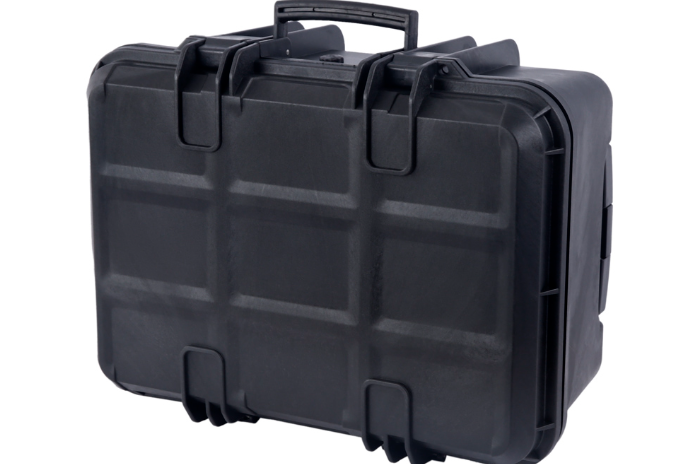
Medium tool boxes are among the most widely used options because they provide a good balance between storage space and mobility.
Compared with small tool boxes, medium models can hold more tools while remaining relatively easy to transport. They are suitable for technicians, installers, maintenance workers, and users who frequently move between job locations.
Where Are Medium Tool Boxes Commonly Used?
Medium tool boxes can meet the needs of many applications, including automotive repair, equipment maintenance, and installation work.
In addition to basic hand tools, they can store more types of wrenches, socket sets, power tool accessories, testing equipment, and other commonly used items.
For many users, a medium tool box is the most practical option because it provides enough storage space without becoming too bulky.
What Should You Consider When Choosing a Medium Tool Box?
When selecting a medium tool box, internal organization is an important factor. Features such as compartments, drawers, and dividers can significantly improve storage efficiency.
Even two tool boxes with similar external dimensions may have different usable storage capacities due to different internal layouts.
Large Tool Boxes: Designed for Professional and Industrial Storage
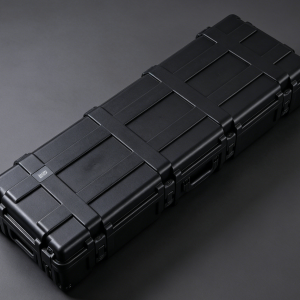
Large tool boxes are mainly designed for professional users and industrial environments. They provide greater storage capacity and can hold a large number of tools as well as larger equipment.
Automotive repair shops, manufacturing facilities, and engineering workplaces often use large tool boxes to organize and manage tools efficiently.
Advantages of Large Tool Boxes
The biggest advantage of a large tool box is its high storage capacity. Users can separate different types of tools into organized sections, reducing the time spent searching for equipment and improving productivity.
Many large tool boxes also include features such as wheels, telescopic handles, and multi-level drawers, making them easier to move around the workplace.
For professionals who use many tools on a daily basis, large tool boxes provide a complete tool storage solution.
Are Large Tool Boxes Suitable for Everyone?
Although large tool boxes offer excellent storage capacity, they are not the best choice for every user.
If you only use a small number of tools for occasional repairs, a large tool box may take up unnecessary space and increase transportation costs. Before choosing a large model, it is important to evaluate your actual requirements.
Comparison of Small, Medium, and Large Tool Box Sizes
Each tool box size has its own advantages:
Small tool boxes focus on portability and are suitable for home repairs and basic tool storage.
Medium tool boxes provide a balance between capacity and mobility, making them suitable for most repair, maintenance, and installation tasks.
Large tool boxes emphasize storage capacity and professional performance, making them ideal for industrial applications, automotive repair, and demanding work environments.
When choosing a tool box size, bigger is not always better. The right choice depends on your tool quantity, working environment, and frequency of use.
How to Choose the Right Tool Box Size?
Before purchasing a tool box, consider the following factors:
First, evaluate the number of tools you currently own. Organize your commonly used tools and estimate how much storage space you actually need.
Second, consider future expansion. If your tool collection is likely to grow, choosing a tool box with extra capacity can prevent the need for replacement in the near future.
Finally, think about how you will use the tool box. If you need to carry it frequently, prioritize lightweight and portable designs. If it will mainly stay in a workshop, a larger capacity model may be a better option.
Small, medium, and large tool boxes each have their own advantages, and there is no single size that works for everyone. The best choice depends on your tools, working environment, and specific requirements.
A properly sized tool box with a well-designed structure can help organize tools more effectively, improve work efficiency, and protect valuable equipment. Whether for personal use or business applications, selecting the right tool box size is an important step toward creating an efficient and practical tool storage solution.