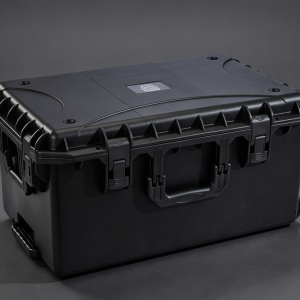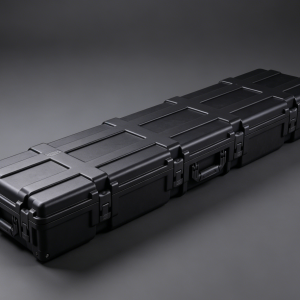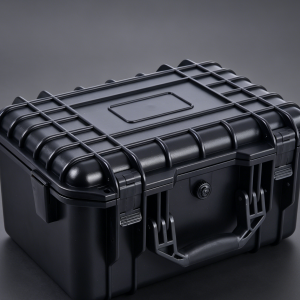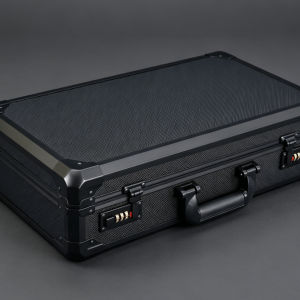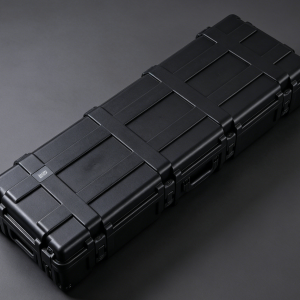
When purchasing a tool box, many users focus on appearance, material, or price, but the dimensions of a tool box are actually one of the most important factors affecting the overall user experience. Choosing the wrong size can result in insufficient storage space, difficulty carrying tools, and reduced work efficiency.
Whether you need a small tool box for home repairs or a professional tool box for automotive maintenance and industrial applications, understanding the key size parameters before purchasing can help you choose the right storage solution for your needs.
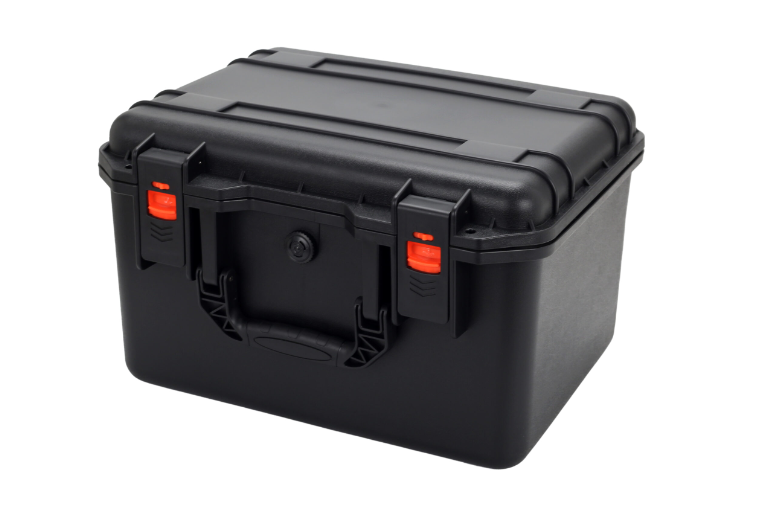
1. Length: Determines Whether Your Tools Can Fit Properly
Length is one of the most basic tool box dimensions. It usually refers to the distance from one side of the tool box to the other and directly affects the size of tools that can be stored inside.
When choosing a tool box, the first thing to consider is the size of your commonly used tools. Longer items such as wrenches, screwdrivers, drill accessories, and measuring tools require enough internal length. If the tool box is too short, even a large-capacity model may not be able to store important tools properly.
For home users, a compact tool box is often enough for basic maintenance tasks. However, professional technicians should choose a tool box with sufficient length based on their tool types to ensure all equipment can be stored safely.
2. Width: Affects Tool Arrangement and Storage Efficiency
The width of a tool box determines the available horizontal storage space and plays an important role in tool organization.
A wider tool box allows tools to be placed more efficiently instead of being stacked together. This makes it easier to find tools quickly and helps prevent damage caused by tools rubbing against each other.
For users who need to carry a large number of tools, proper width design is especially important. For example, automotive repair and mechanical maintenance often require multiple tools of different sizes. If the tool box is too narrow, the internal space can quickly become crowded and difficult to organize.
When selecting a tool box, do not only check the external width. The usable internal width is also important because different designs can affect actual storage capacity.
3. Height: Determines Storage Capacity for Larger Tools
Height is a tool box dimension that is often overlooked, but it plays a key role when storing larger equipment.
Some tools may not be long or wide but require extra vertical space, such as power tools, battery packs, testing equipment, and specialized repair tools. If the tool box height is insufficient, these items may not fit properly.
For professional users, it is important to consider future equipment needs. Choosing a tool box with additional height capacity can prevent the need to replace it later as more tools are added.
Tool boxes with drawers, multiple layers, or modular storage systems should also be checked carefully to ensure each compartment provides enough vertical space.
4. Internal Dimensions: More Important Than External Size
Many buyers only look at the overall size of a tool box and overlook the internal dimensions that actually determine storage performance.
External dimensions show how much space the tool box occupies, while internal dimensions determine how many tools can be stored. Some tool boxes may appear large from the outside but offer limited usable space due to thicker walls, reinforced structures, or internal dividers.
Therefore, it is recommended to check the internal length, width, and height before making a purchase. For professional applications, users should also consider drawer dimensions, compartment layouts, and tool classification areas.
A well-designed internal structure can maximize storage efficiency and allow more tools to be organized within the same size tool box.
5. Load Capacity and Storage Volume: Ensuring Safe Tool Storage
In addition to length, width, and height, load capacity and storage volume are also important factors when choosing a tool box.
Different tools have different weights. Basic hand tools are usually lightweight, while power tools, mechanical components, and industrial equipment can be much heavier. If a tool box does not have sufficient load-bearing capacity, long-term use may cause deformation and reduce product durability.
Storage volume is related to tool box size, but a larger tool box does not always mean better storage capacity. Internal structure design, drawer arrangement, and space utilization also have a significant impact.
For professional technicians and businesses, selecting the correct load capacity based on tool weight and usage frequency is essential.
How to Choose the Right Tool Box Size Based on Dimensions?
After understanding these five key dimensions, the next step is matching them with your actual application needs.
For household repairs, a small and portable tool box is usually sufficient for storing basic tools and handling everyday maintenance tasks.
For repair work, installation projects, and mobile operations, a medium-sized tool box is often the best choice because it provides a good balance between capacity and portability.
For factories, automotive repair shops, and professional engineering environments, larger tool boxes are recommended, with special attention given to internal space, load capacity, and mobility.
Choosing a tool box is not simply about selecting the biggest size. The right decision requires considering multiple factors, including length, width, height, internal dimensions, and load capacity.
A properly sized tool box helps users organize tools more efficiently, improve productivity, and protect valuable equipment. Whether for personal use or business purchasing, understanding these key dimensions before buying ensures you select a tool box that truly meets your needs.