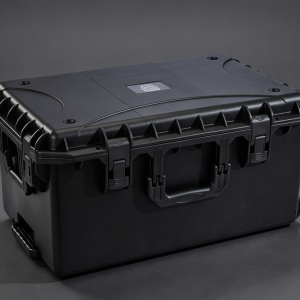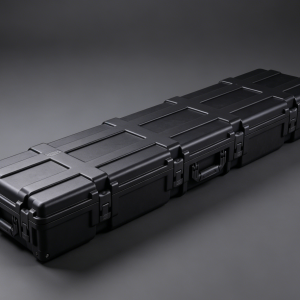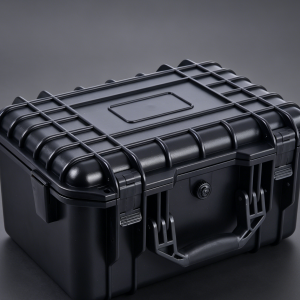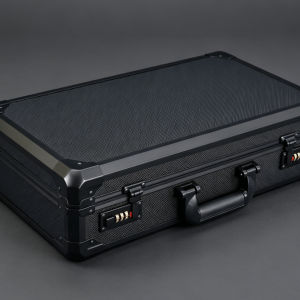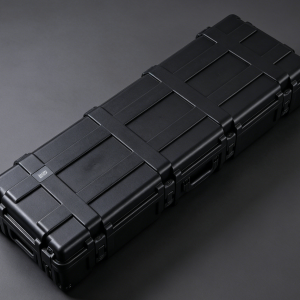
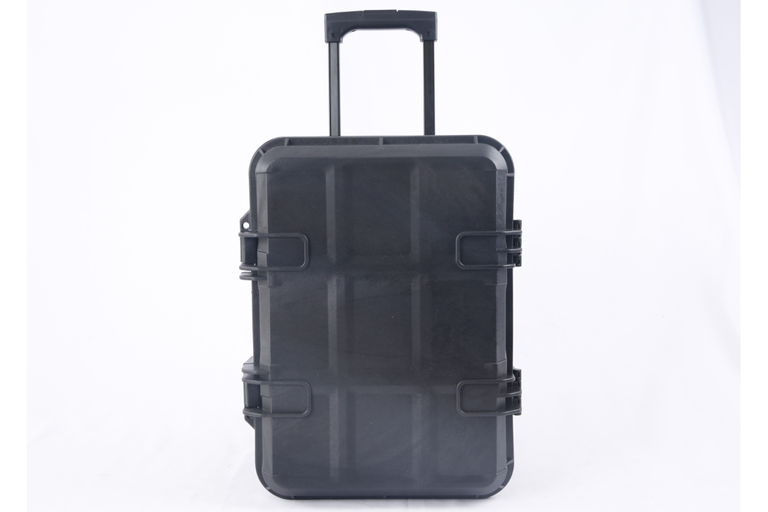
When buying a tool box, many people focus on the material, design, and price but overlook one of the most important factors — size. The right tool box dimensions determine whether your tools can be stored properly and also affect portability, transportation, and overall user experience.
A tool box that is too small may not fit all your essential tools, while an oversized tool box can waste space and make carrying more difficult. Therefore, understanding how to measure tool box dimensions correctly is essential before making a purchase. Whether you need a portable tool box, rolling tool box, or industrial tool storage solution, accurate measurements help you find the right option.
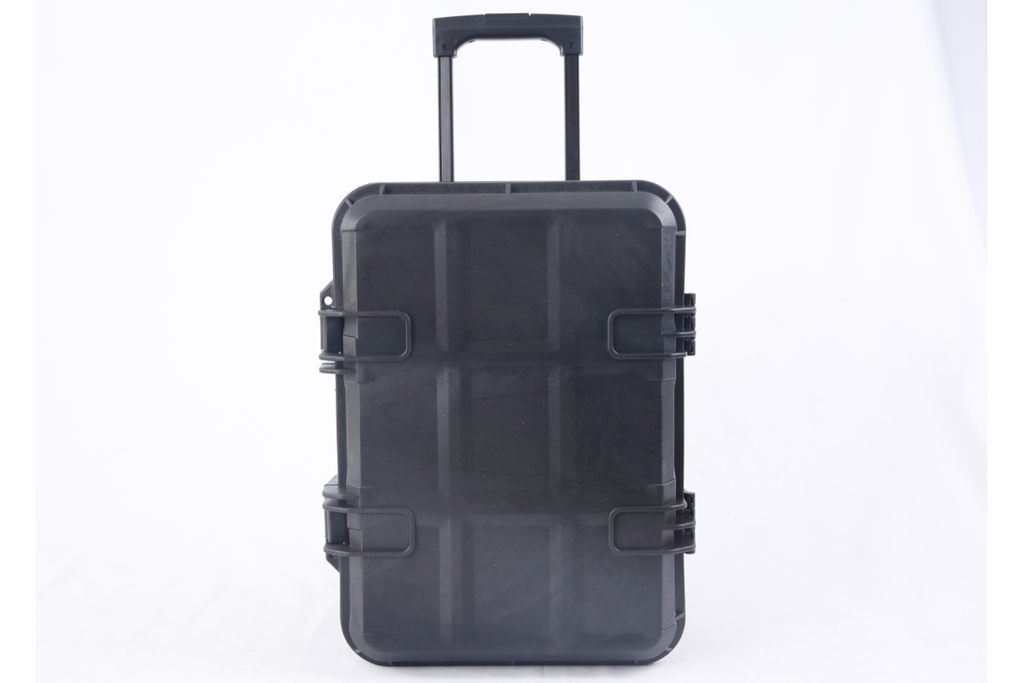
What Dimensions Are Included in a Tool Box Size?
When checking tool box specifications, you will usually see three main measurements: length, width, and height. However, tool box dimensions can also be divided into external dimensions and internal dimensions, and both are important for different purposes.
External dimensions help determine whether the tool box can fit into a vehicle trunk, storage cabinet, or warehouse shelf. Internal dimensions, on the other hand, directly affect how many tools can be stored and how efficiently they can be organized.
The main tool box dimensions include the following:
Length: Determines the Available Tool Storage Space
The length of a tool box refers to the measurement from one side to the other. It determines whether longer tools can fit inside, such as wrenches, screwdrivers, drills, and other equipment.
For users who mainly store small hand tools, a compact tool box may be enough. However, professionals who need to store larger equipment should choose a tool box with a longer internal space.
Width: Affects Tool Arrangement and Organization
The width of a tool box determines the horizontal storage area inside. A wider tool box allows tools to be placed more efficiently instead of being stacked together.
For technicians and industrial users, proper width design makes it easier to separate different types of tools and quickly access the items needed during work.
Height: Influences Vertical Storage Capacity
Height affects whether thicker or larger tools can be stored inside the tool box. For example, power tools, batteries, measuring equipment, and other bulky items usually require more vertical space.
Even if the length and width are suitable, insufficient height may prevent certain tools from fitting properly.
How to Measure a Tool Box Correctly?
Measuring a tool box is simple, but the measurement process needs to be accurate to avoid choosing the wrong size.
Before measuring, prepare a measuring tape and place the tool box on a flat surface. Then measure the following three dimensions:
Step 1: Measure the Length
Measure from the far left side of the tool box to the far right side while keeping the tape straight. This measurement represents the tool box length.
Step 2: Measure the Width
Measure the distance from the front side to the back side of the tool box. This determines how much horizontal space the tool box occupies.
Step 3: Measure the Height
Measure from the bottom of the tool box to the highest point. If the tool box includes a handle, wheels, or additional accessories, consider whether these parts affect the overall height.
For an existing tool box that is already filled with tools, it is recommended to measure the largest tools first and then choose a tool box with enough additional space.
Why Internal Tool Box Dimensions Matter
Many buyers only pay attention to the external size of a tool box, but the internal storage space is often more important in daily use.
Some tool boxes may appear large from the outside but have limited usable space due to thick walls, reinforced structures, or internal compartments. Therefore, checking internal length, width, and height is highly recommended before purchasing.
For professional applications such as automotive repair, mechanical work, and outdoor projects, users should also consider drawer sizes, compartment layouts, and modular storage options.
Choosing the Right Tool Box Size for Different Applications
Different working environments require different tool box sizes.
For household repairs, a small or medium tool box is usually enough for storing basic tools such as screwdrivers, hammers, pliers, and measuring tools.
Automotive technicians often need larger tool boxes because they carry more specialized equipment and require better mobility and organization.
Industrial users usually need professional tool storage solutions with larger capacity, stronger construction, and optimized internal layouts to handle different types of tools.
Factors to Consider When Selecting Tool Box Dimensions
Tool quantity is not the only factor that determines the right tool box size. Several other considerations should also be taken into account.
First, consider future expansion. It is better to leave some extra storage space instead of choosing a tool box that only fits your current tools. This allows room for additional tools in the future.
Second, consider the working environment. If the tool box needs to be moved frequently, an oversized model may reduce portability. For stationary workplace use, a larger capacity tool box may be a better choice.
Finally, think about transportation and storage requirements. For businesses purchasing tool boxes in bulk, factors such as packaging size, shipping costs, and warehouse space should also be considered.
Choosing the right tool box size is not simply about selecting the largest option. It requires considering your tools, working environment, storage needs, and future requirements.
By accurately measuring length, width, and height while paying attention to internal storage space, you can find a tool box that perfectly matches your needs.
For professional users, a properly sized tool box not only improves work efficiency but also protects tools and extends their service life. Accurate measurement is the first step toward creating an efficient and practical tool storage solution.