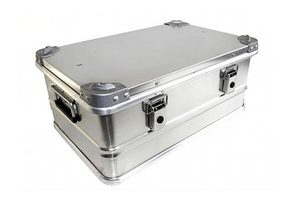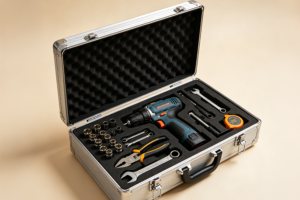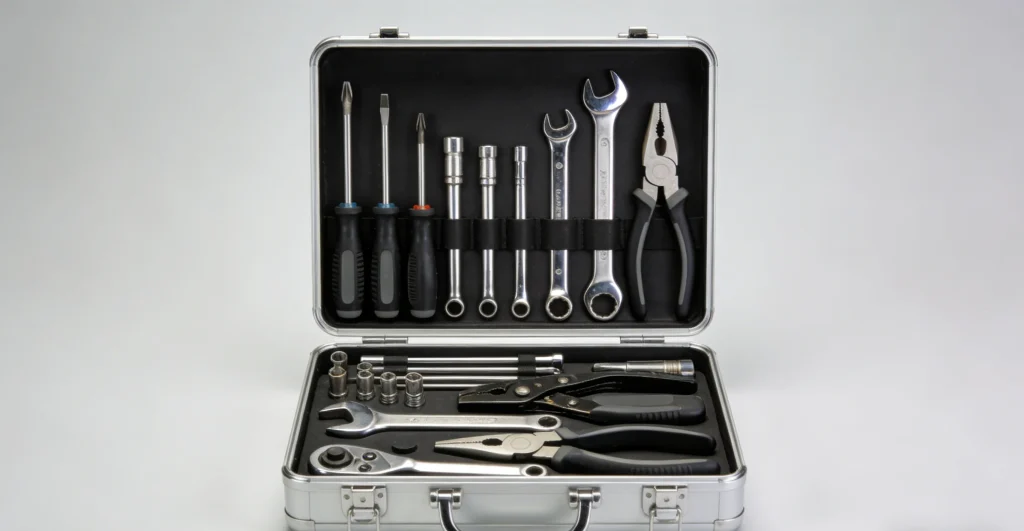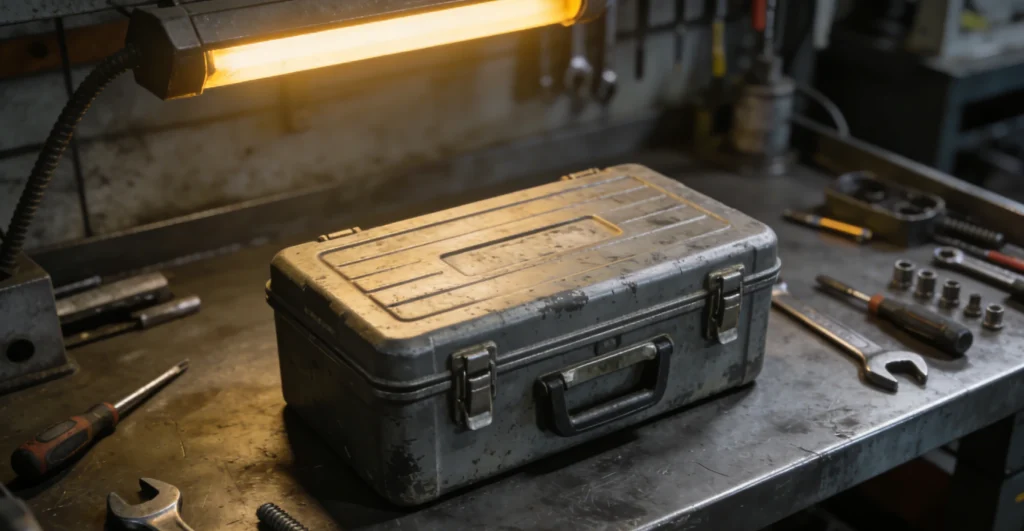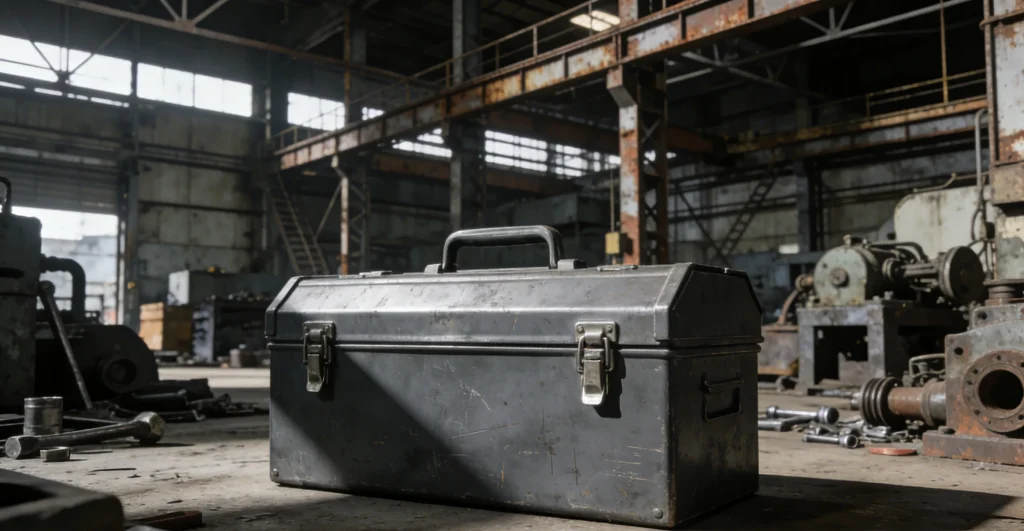
High-strength lorry tool boxes are mainly used in trucks, engineering vehicles, transport vehicles, and special operation vehicles for storing repair tools, spare parts, protective equipment, and daily maintenance supplies. Compared with ordinary tool boxes, high-strength lorry tool boxes need to withstand more complex operating environments, such as long-term vehicle vibration, road impacts, rain erosion, mud and sand collisions, and frequent opening and closing. Therefore, these tool boxes have higher requirements in terms of material selection, structural design, sealing performance, and installation methods.
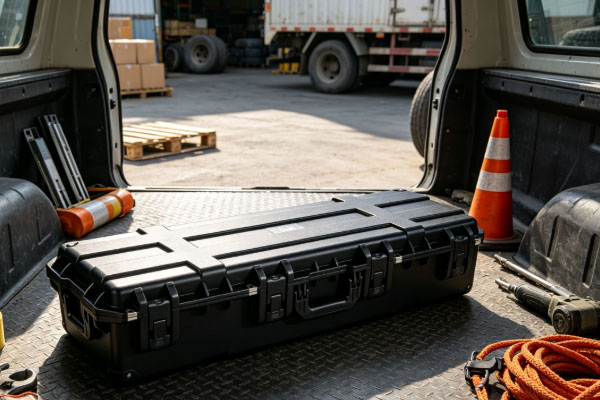
A qualified high-strength lorry tool box should not only provide sufficient storage space but also ensure that it does not easily deform, crack, or become damaged during long-term transportation. Aluminum alloy and stainless steel are common material choices. Among them, aluminum tool boxes are widely used in the truck industry due to their lightweight properties and good corrosion resistance. High-strength tool boxes usually adopt thicker panels, reinforced structures, durable locks, and waterproof sealing designs, allowing them to adapt to different road conditions. Therefore, when selecting a lorry tool box, special attention should be paid to box strength, impact resistance, installation stability, and long-term reliability.
Material Characteristics of High-Strength Lorry Tool Boxes
Thick Aluminum Alloy Improves Box Strength
High-strength lorry tool boxes often use aluminum alloy as the main material. Aluminum alloy has the advantages of being lightweight, corrosion-resistant, and easy to process, allowing the tool box to maintain strength while reducing additional vehicle load. Ordinary tool boxes may use thinner aluminum sheets and are only suitable for storing lightweight tools. In contrast, high-strength lorry tool boxes usually use thicker aluminum panels and add supporting structures according to the application environment, allowing the tool box to withstand long-term vibration and pressure during transportation. The aluminum alloy surface can also be treated through anodizing, powder coating, and other processes to improve surface protection and reduce the impact of rainwater, moisture, and dust on the box.
Metal Materials Adapt to Complex Transportation Environments
During long-term driving, trucks are affected by road impacts and continuous vibration. High-strength tool boxes need to have good fatigue resistance to prevent loose connections or deformation after extended use. In addition to aluminum alloy, some tool boxes designed for special applications may use stainless steel. Stainless steel has higher strength and is suitable for environments requiring stronger impact resistance, but its weight is usually greater than aluminum tool boxes. Different materials have different advantages, so the selection should be based on vehicle load capacity, working environment, and tool weight.
Structural Design Determines Tool Box Durability
Reinforced Rib Design Improves Deformation Resistance
One of the biggest differences between high-strength lorry tool boxes and ordinary storage boxes is their more stable structural design. To prevent deformation caused by external pressure, manufacturers usually add reinforcing ribs to the door, bottom, and side panels of the box. Reinforcing ribs can distribute external forces more evenly, helping the box maintain its shape when subjected to impacts or heavy pressure.
Strong Locks Ensure Transportation Safety
Trucks experience continuous vibration during driving. If the lock quality is poor, the door may become loose or even open automatically. High-strength tool boxes usually use stainless steel locks, compression locks, or lockable structures to improve stability after the door is closed. Some tool boxes also feature multi-point locking systems, allowing the door to bear force more evenly and reducing excessive pressure on a single locking point.
Common structural features of high-strength lorry tool boxes:
Thickened box body: Improves overall load-bearing capacity and reduces deformation caused by impacts.
Reinforced rib design: Enhances panel support strength and improves vibration resistance.
High-strength locks: Prevent the door from loosening during transportation.
Secure mounting brackets: Reduce the impact caused by vehicle vibration.
What Protective Features Should High-Strength Tool Boxes Have?
Waterproof Sealing Protects Internal Tools
Trucks often operate under different weather conditions. Rainwater, mud, and dust can easily enter ordinary storage spaces. High-strength tool boxes usually install sealing strips around the edges of the box cover and reduce external moisture entry through compression structures. Good sealing design can protect internal tools and prevent metal tools from rusting. If vehicles are parked outdoors for long periods, sealing performance directly affects the storage condition of items inside the tool box.
Impact Resistance Handles Road Vibration
When transport vehicles travel on uneven roads, tool boxes experience continuous impacts. If the box structure is not strong enough, problems such as corner deformation, cracked welded joints, or damaged mounting brackets may occur. High-strength tool boxes usually optimize connection methods, such as reinforced welding, riveting, or high-strength fasteners, to improve overall stability.
Surface Treatment Improves Long-Term Service Life
Tool boxes exposed to the air for long periods are easily affected by oxidation. High-quality tool boxes usually undergo surface treatments such as anodizing, powder coating, or anti-corrosion coating. These treatments can improve appearance retention and reduce the impact of environmental factors on metal surfaces.
Frequently Asked Questions
Q2: Are aluminum tool boxes suitable for installation on trucks?
Answer: Yes. Aluminum tool boxes are lightweight and have good corrosion resistance, which can reduce additional vehicle load. Therefore, they are widely used on many transport vehicles.
Q3: Can high-strength tool boxes be placed outdoors for long periods?
Answer: Yes, but they need to have good sealing and surface protection. For long-term outdoor use, products with corrosion-resistant treatment should be selected, and locks, sealing strips, and mounting brackets should be checked regularly.
Q4: Why do lorry tool boxes need reinforced mounting?
Answer: Trucks generate continuous vibration during operation. If the installation is not secure, the tool box may become loose and even affect vehicle safety. Therefore, high-strength tool boxes usually need to be fixed with reliable mounting brackets.
The characteristics of high-strength lorry tool boxes are mainly reflected in materials, structure, protection, and installation stability. They use more reliable aluminum alloy or metal materials and improve their ability to withstand transportation vibration and external impacts through thicker panels, reinforced rib designs, and high-strength locks. Compared with ordinary tool boxes, high-strength products are more suitable for long-term truck operating environments. During transportation, vehicles experience various road conditions. Tool boxes not only need to store items but also protect internal tools from damage. Therefore, box strength, waterproof performance, and mounting methods are all very important.
For ordinary freight vehicles, suitable specifications can be selected based on the number of tools and frequency of use. For engineering vehicles, mining vehicles, and trucks frequently operating in complex environments, more attention should be paid to impact resistance and long-term durability. A well-designed high-strength lorry tool box can reduce tool damage, improve vehicle maintenance convenience, and better meet the requirements of long-term transportation and outdoor operations. Selecting according to vehicle purpose and actual working conditions allows the tool box to provide maximum practical value.