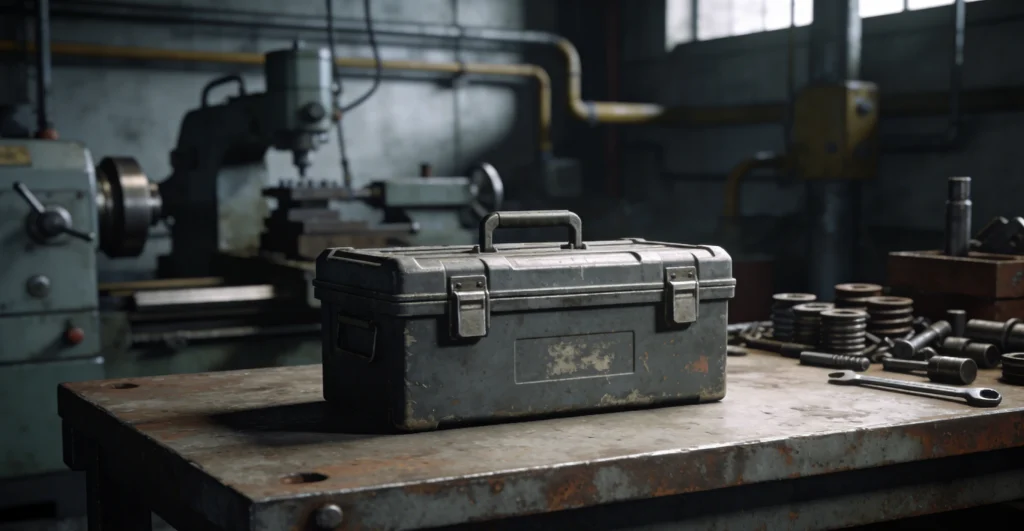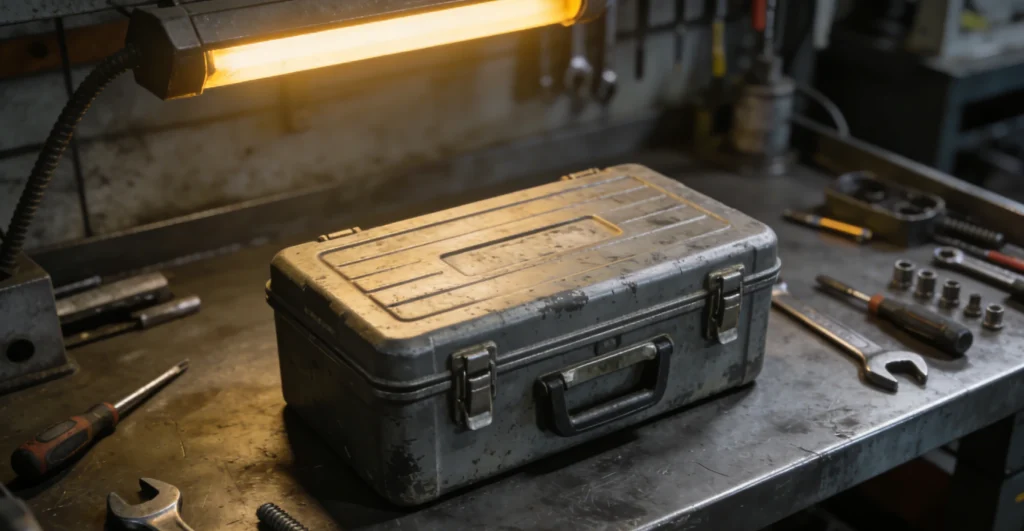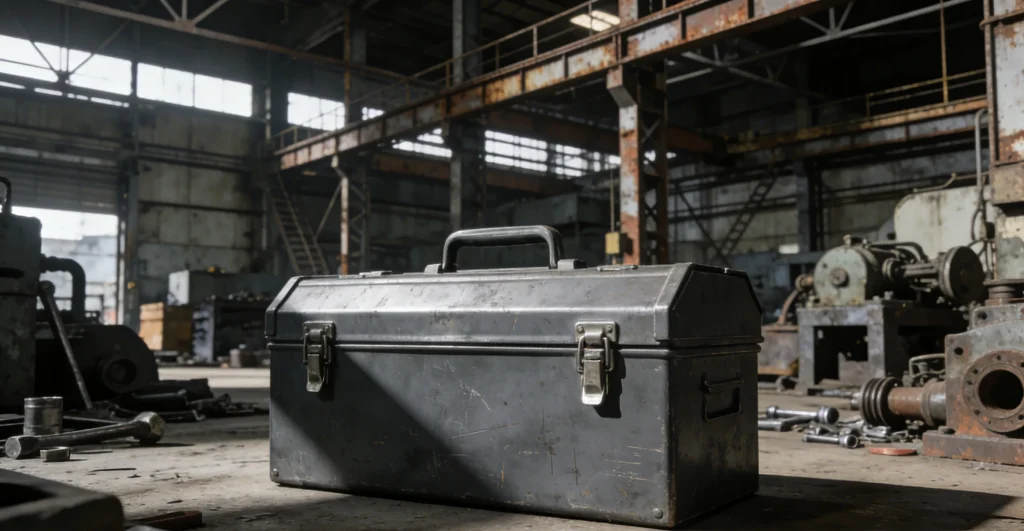
Lorry tool boxes are usually installed on the side of the vehicle frame, chassis area, or underneath the cargo compartment. They are used to store repair tools, spare parts, protective equipment, and other items that need to be carried during transportation. Since different lorry models, chassis structures, tire sizes, and transportation environments vary, there is no fixed universal installation height for tool boxes. The installation height needs to be adjusted according to the actual vehicle conditions. A reasonable installation height should ensure that workers can easily open the box door and access tools while preventing the tool box from being damaged by road impacts, water splashes, or mud and sand erosion during driving.
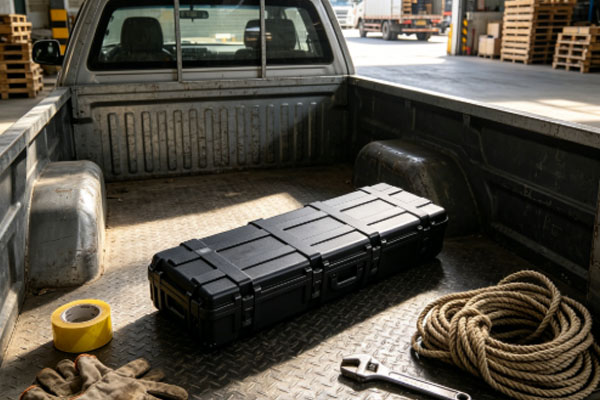
If installed too low, the tool box may be easier to access, but the bottom may scrape against the ground when driving on uneven roads, slopes, or complex terrain. If installed too high, it may affect tool access and increase the difficulty of adjusting the installation position. Therefore, when determining the height of a lorry tool box, factors such as frame position, ground clearance, tool box dimensions, vehicle purpose, and driving environment need to be considered. For transport vehicles that mainly travel on highways, the tool box installation position can be appropriately lowered to improve daily maintenance convenience. For construction vehicles, mining vehicles, or lorries frequently operating on unpaved roads, the installation height should be increased to ensure better clearance performance. A reasonable installation height not only improves the user experience of the tool box but also reduces later maintenance and replacement costs.
What Factors Should Be Considered When Installing a Lorry Tool Box?
Determine the Installation Position According to the Vehicle Chassis Structure
Lorry tool boxes are usually fixed to frame cross members, longitudinal beams, or side brackets, so the installation height needs to be determined according to the chassis structure. Different vehicle models have different frame heights, suspension systems, and chassis layouts, which means the available installation positions may also vary. Before installation, it is necessary to check whether components such as fuel tanks, exhaust pipes, batteries, air lines, or other chassis parts are located beneath the frame to prevent interference after the tool box is installed. If the tool box is installed on the side of the frame, it is also necessary to confirm whether the box door opening movement will be affected by tires, mudguards, or other accessories, ensuring that maintenance personnel can open and close it normally.
Adjust the Height Based on Ground Clearance
Ground clearance is an important factor determining the height of a lorry tool box. If the bottom of the tool box is too close to the ground, the vehicle’s passing ability will be reduced. During operation, lorries may encounter speed bumps, construction roads, muddy roads, and slopes. If the tool box bottom is too low, it is more likely to be impacted. Therefore, installation should ensure that there is sufficient safety clearance between the bottom of the tool box and the ground, while avoiding excessive height that could affect daily tool access.
How Is the Installation Height of Lorry Tool Boxes Usually Designed?
Ordinary Transport Lorries Focus on Convenient Access
Ordinary cargo lorries are mainly used for road transportation, where driving conditions are relatively stable and requirements for tool box ground clearance are not extremely strict. When installing tool boxes on these vehicles, the goal is usually to maintain a safe clearance while ensuring that the box door height is convenient for workers to operate. A reasonable installation position allows maintenance personnel to quickly open the tool box while standing or slightly squatting. If the tool box is installed too low, tools may be easier to access, but vehicle clearance performance will be affected. If installed too high, workers may need to bend down or raise their arms to retrieve tools, reducing convenience during long-term use.
Construction Vehicles Require Higher Installation Positions
Dump trucks, construction transport vehicles, mining vehicles, and similar vehicles often operate in complex road environments and therefore require higher tool box installation positions. These vehicles may travel on gravel roads, dirt roads, or construction sites, where chassis impacts are more likely to occur. Therefore, tool boxes usually need to be installed higher and secured with stronger mounting brackets. Construction vehicles also need to consider tool box protection, such as adding reinforced brackets and improving box strength to prevent connection points from becoming loose due to long-term vibration.
When determining the installation height of a lorry tool box, the following points should be considered:
Ground clearance: Ensure the tool box does not hit the ground when passing over uneven roads.
Opening space: Ensure the box door is not blocked by tires or chassis components when opened.
Tool access: The height should match the daily operating habits of maintenance personnel.
Mounting strength: The brackets must withstand long-term vehicle vibration and load changes.
What Problems Can Occur If the Installation Height Is Incorrect?
Installing Too Low May Cause Impact Damage
If the tool box is too close to the ground, the bottom may be impacted when the vehicle travels on rough roads. Long-term impacts may cause problems such as box deformation, bottom plate wear, and loose brackets. For aluminum tool boxes, although aluminum has good corrosion resistance, strong impacts can still cause dents. Installing the tool box too low may also expose it to continuous impacts from mud, water, and gravel, accelerating surface wear.
Installing Too High Affects Convenience
Installing the tool box too high can reduce the risk of bottom impacts, but it may make tool access more difficult. This is especially important during long-distance transportation, when drivers or maintenance personnel may need to access tools frequently. If a ladder is required or arms must be raised every time tools are retrieved, work efficiency may be reduced.
Consider Changes in Vehicle Load
After a lorry is loaded with cargo, the vehicle height may change. Some vehicles experience suspension compression under full load, which reduces chassis height. Therefore, installation should not only consider the unloaded vehicle condition but should also be checked according to the actual operating condition. Even when fully loaded, sufficient safety clearance must remain between the tool box, ground, tires, and other components.
Frequently Asked Questions
Q1: What is the suitable ground clearance for a lorry tool box?
Answer: There is no single fixed standard. It depends on the vehicle model, road conditions, and tool box size. Ordinary transport vehicles need to balance convenient access and safety clearance, while construction vehicles require greater ground clearance.
Q2: Is a higher tool box installation position always safer?
Answer: Not necessarily. Although a higher installation position can reduce the risk of bottom impacts, it may affect tool access and may also be limited by chassis space. The proper height should be adjusted according to the vehicle structure.
Q3: Can a lorry tool box be installed under the frame?
Answer: Yes, but it is necessary to confirm that there is enough space under the frame and check that it does not interfere with the vehicle suspension, exhaust system, fuel tank, or other components. It must also ensure that the tool box will not hit the road surface during driving.
Q4: What should be considered when installing an aluminum lorry tool box?
Answer: Aluminum tool boxes are lightweight, but they are affected by long-term vehicle vibration, so reliable mounting brackets are required. The installation position should also prevent direct friction between the tool box and the frame. If necessary, cushioning pads can be added.
The installation height of a lorry tool box needs to be determined based on vehicle structure, operating environment, and usage requirements. For ordinary transport vehicles, a suitable position should be found between safety clearance and convenient access; for construction vehicles, passing ability on complex roads should be prioritized to prevent tool box impacts. During installation, the available frame space should be checked in advance to ensure that it does not interfere with tires, suspension systems, exhaust pipes, or other chassis components. Changes in vehicle height after loading should also be considered to avoid situations where the installation is suitable when empty but causes collisions during actual transportation. If the tool box is installed too low, the risk of bottom impacts increases; if installed too high, daily operation may become inconvenient. Therefore, reasonable installation position design is very important.
During actual installation, the following principles can be used for evaluation: Lorries that mainly travel on smooth roads can position the tool box closer to a convenient operating height; vehicles that frequently enter construction areas or travel on complex roads should increase the installation height and strengthen the mounting structure. Especially for aluminum tool boxes, although they are lightweight and have good corrosion resistance, they still require a stable and reliable mounting structure when exposed to long-term vehicle vibration. Properly determining the installation height of a lorry tool box can reduce impact risks, improve tool access efficiency, and allow the tool box to better meet transportation and maintenance requirements.