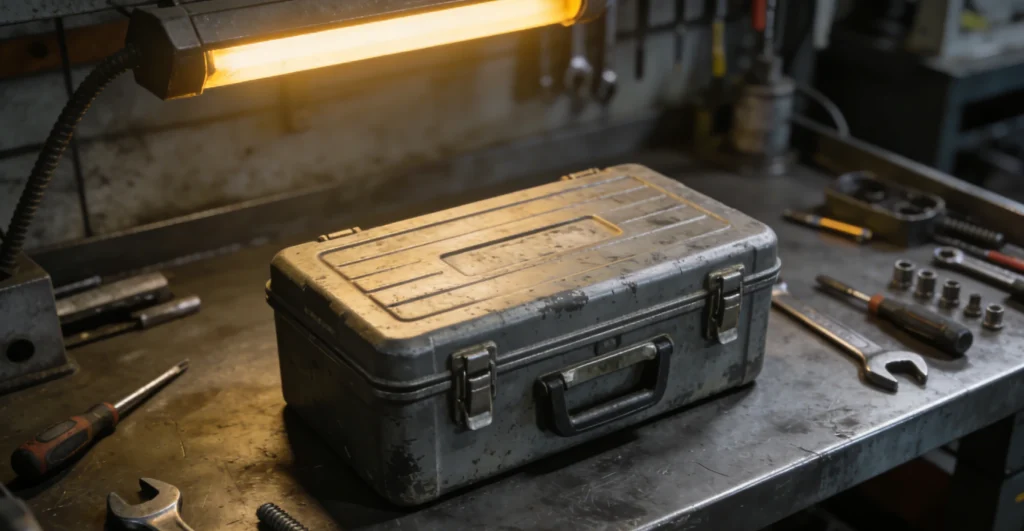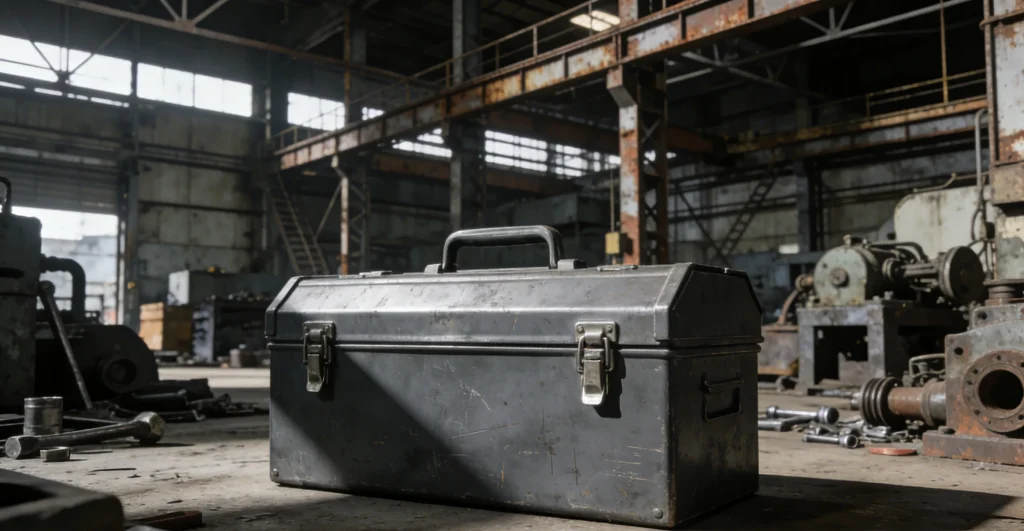
In industrial maintenance, automotive repair, mechanical processing, and other working environments, the number of tools used is often large. Finding the right tool quickly can directly affect work progress. Many traditional tool boxes can meet basic storage needs, but when different tools are mixed together, it can become difficult to find items and keep everything organized. Drawer tool boxes use multi-layer drawer designs to separate different types of tools, making access more convenient. For businesses in the hardware industry and manufacturing sector, a well-designed multi-drawer tool box not only improves workplace organization but also helps teams increase daily operating efficiency.
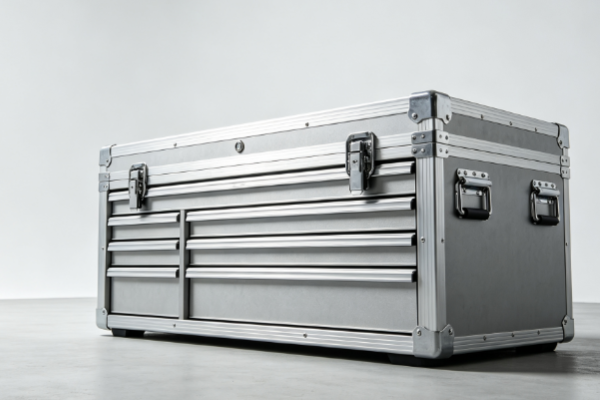
Multi-Drawer Tool Boxes Make Tool Classification Easier
The more types of tools there are, the harder it becomes to keep them organized. In repair workshops and production areas, small parts, hand tools, and power tools are often used together. Without proper storage, tools can easily become mixed up and affect work efficiency. Multi-drawer tool boxes solve this problem by creating separate storage areas for different tool categories.
- Small tools can be stored separately. Screws, bits, measuring tools, and small accessories can be placed in individual drawers.
- Frequently used tools can be accessed quickly. Wrenches, pliers, and daily-use tools can be stored in easy-to-reach drawers.
- Tool clutter can be reduced. Tools can be returned to fixed locations after use, making future searches easier.
Compared with traditional tool boxes, multi-drawer designs better match the needs of professional workplaces. Workers do not need to search through the entire box. They can simply open the correct drawer and quickly find the required tool.
Drawer Tool Boxes Reduce Time Spent Searching for Tools
During repair and production work, searching for tools can take up a surprising amount of time. This is especially true when multiple employees share the same tools. Without fixed storage locations, tool management can become inefficient. Drawer tool boxes create clear storage zones, making tool organization more visible and convenient.
- Improve workflow continuity. Reduce interruptions and make repair tasks smoother.
- Support team sharing. Different workers can quickly locate the tools they need.
- Reduce the risk of missing tools. Clear drawer classification makes tool checking easier.
- Improve workplace organization. A cleaner working area helps create a more efficient environment.
For hardware industry companies, productivity depends not only on equipment performance but also on daily management details. A well-designed tool box can help employees save time and make maintenance and production processes more stable.
Multi-Drawer Tool Boxes Improve Space Utilization
The capacity of a tool box is not the only important factor. How the internal space is arranged also plays a major role. Multi-drawer tool boxes make better use of vertical space by combining drawers of different heights, allowing the interior to store more tools efficiently.
- Different drawer sizes meet different storage needs. Small drawers are suitable for parts, while larger drawers can hold bigger tools.
- Reduce workbench clutter. Tools can be stored centrally instead of taking up valuable workspace.
- Provide room for future tool expansion. Additional storage space can support growing tool collections.
A well-planned drawer layout keeps the inside of the tool box organized. For companies with many tools, improving internal structure is often more practical than simply increasing the overall size of the box.
Which Industries Are Multi-Drawer Tool Boxes Suitable For?
Different industries have different requirements for tool storage. Multi-drawer tool boxes are widely used because of their organized storage and convenient management features, especially in workplaces where tools are frequently used.
- Automotive repair industry. Suitable for storing sockets, wrenches, inspection equipment, and repair tools.
- Mechanical manufacturing industry. Helps manage processing tools, measuring equipment, and maintenance supplies.
- Electronic repair industry. Drawer compartments are suitable for storing precision parts and small devices.
- Industrial production workshops. Help employees manage commonly used tools in a unified way.
When businesses choose drawer tool boxes, they need to consider their own tool types and usage frequency. The right drawer quantity and size can create a storage system that better matches actual working needs.
What Details Should Be Considered When Choosing a Multi-Drawer Tool Box?
A professional tool box is not simply about having more drawers. Structural strength, service life, and operating convenience are also important factors. When purchasing tool boxes, businesses should evaluate whether the product is suitable for long-term use.
- Drawer load capacity. Heavy tools require stronger slides and reinforced box structures.
- Hardware accessory quality. Locks, hinges, and drawer slides affect the overall user experience.
- Customization options. Businesses can adjust internal layouts according to different tool sizes.
In the hardware industry, a tool box is not only a storage solution but also a product that affects daily work efficiency. A high-quality drawer tool box can reduce tool management difficulties and help maintain a cleaner workplace.
Multi-drawer tool boxes improve efficiency through organized storage, quick access, and better space utilization. Whether used in automotive repair, mechanical manufacturing, or industrial maintenance, a well-designed drawer tool box can meet different storage requirements. When selecting a tool box, businesses should consider drawer layout, load capacity, and actual working conditions, making the tool box an important solution for improving workplace efficiency.