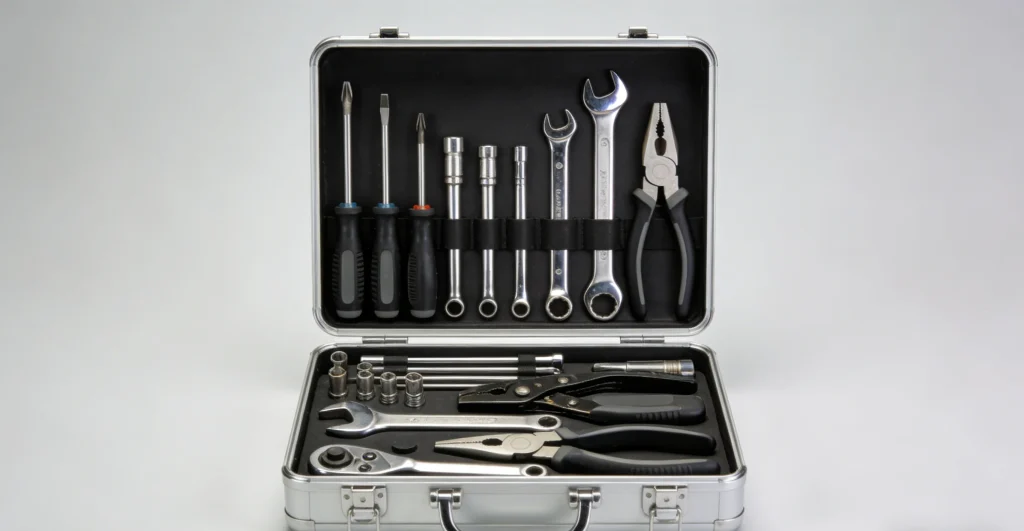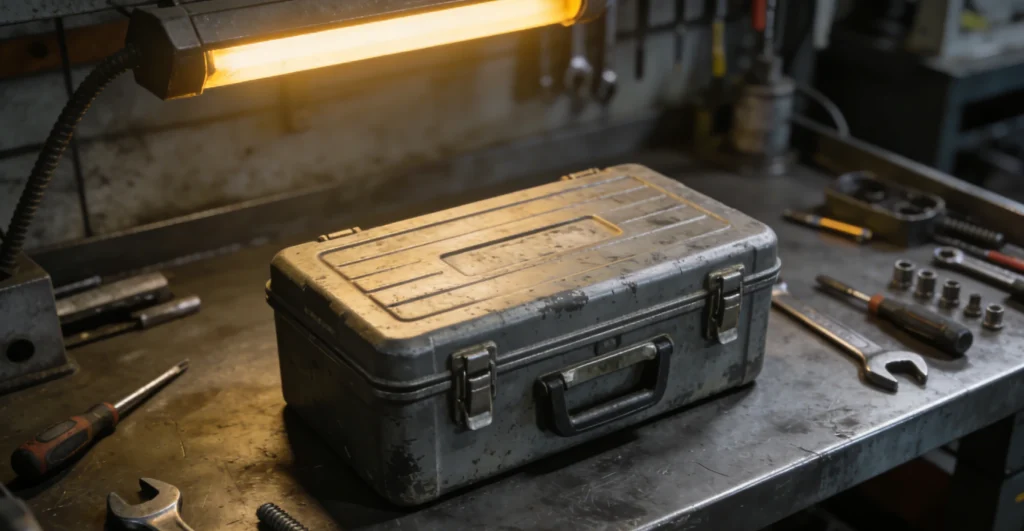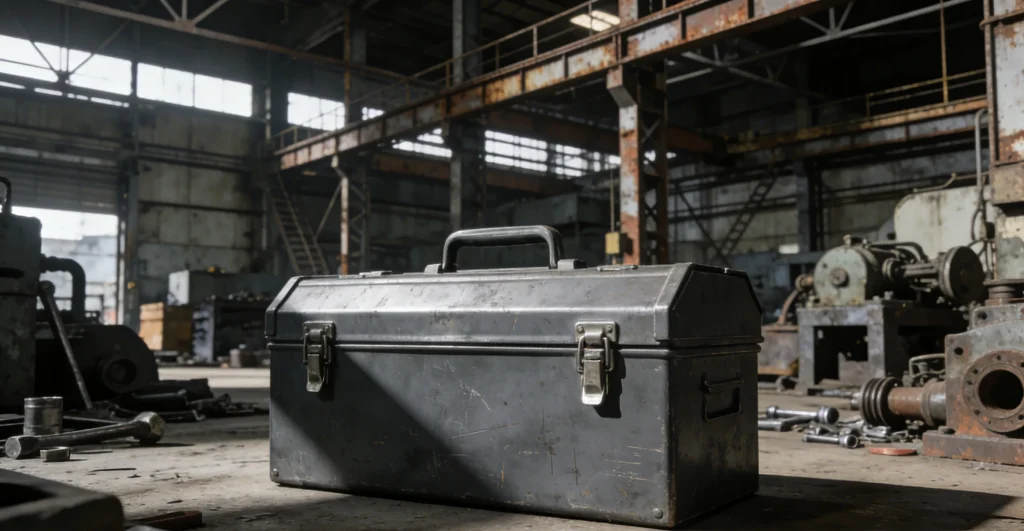
Portable tool boxes are one of the most common storage products used in repair work, installation, woodworking, electrical work, automotive maintenance, and household organization. When purchasing a tool box, many people first focus on size and capacity, but the factors that truly affect service life, portability, and durability are actually the materials used in the tool box itself. Different materials not only determine the weight, compression resistance, waterproof performance, and corrosion resistance of the tool box, but also directly affect the actual user experience. For example, household users tend to prioritize lightweight design and affordability, while industrial maintenance workers pay more attention to load-bearing capacity and impact resistance.
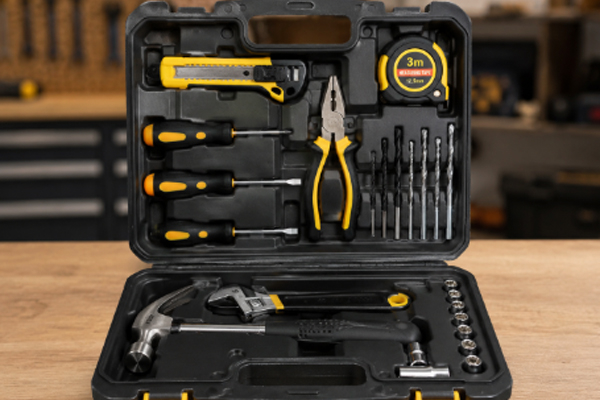
Currently, there are many types of portable tool box materials available on the market, including plastic, metal, aluminum alloy, stainless steel, and composite materials. Different materials have clear differences in structural strength, cost, appearance, and suitable environments. Some materials are suitable for daily household use, while others are better suited for construction sites, workshops, or outdoor environments. Without understanding these differences, users may easily encounter problems after purchase, such as “not impact-resistant,” “too heavy,” “easily rusts,” or “insufficient load capacity.” Below is a detailed analysis of common tool box materials, their practical advantages and disadvantages, application scenarios, and purchasing considerations.
Common Types of Portable Tool Box Materials
PP Plastic Tool Boxes
PP plastic (polypropylene) is currently one of the most common materials used for tool boxes. It is low-cost, lightweight, and easy to manufacture, making it widely used in household tool boxes and general repair tool storage.
Its main features include:
- Lightweight and easy to carry
- Lower manufacturing cost
- Resistant to water corrosion
- Good wear resistance for daily use
Suitable for household storage and light-duty toolsHowever, ordinary PP plastic has limited impact resistance and can become brittle in low-temperature environments. If it is used to carry heavy hardware tools for long periods, deformation may occur. Therefore, it is more suitable for light-duty usage environments.
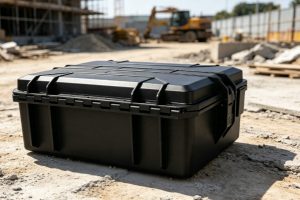
ABS Engineering Plastic Tool Boxes
ABS is a higher-strength engineering plastic that is more impact-resistant than ordinary PP material.
Its main advantages include:
- Strong impact resistance
- Better surface texture and finish
- Less likely to crack
- Higher load-bearing capacity
More professional-looking appearanceMany mid-range and high-end portable tool boxes use ABS shells, especially tool boxes designed for power tools. For people who frequently transport tools, ABS material is generally more durable.
Metal Tool Boxes
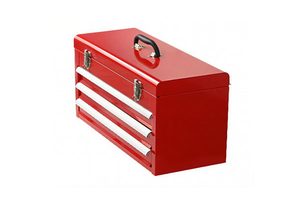
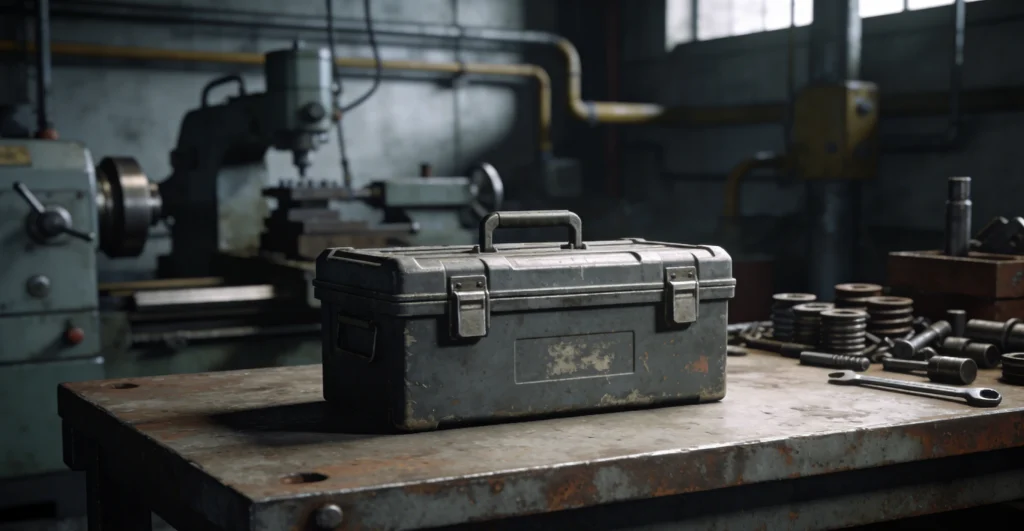
Metal tool boxes are usually made from cold-rolled steel plates and are commonly used in automotive repair, industrial maintenance, and large equipment servicing industries.
Their characteristics are very obvious:
- Strong load-bearing capacity
- High compression resistance
- Resistant to deformation
Long service lifeHowever, they also have some disadvantages:Heavier overall weight,May rust in humid environments over time,Less convenient to carryTherefore, metal tool boxes are more suitable for fixed workplaces rather than frequent transportation.
Aluminum Alloy Tool Boxes
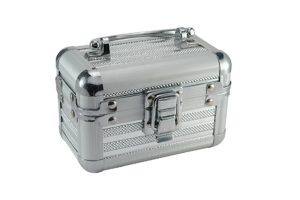
Aluminum alloy tool boxes belong to the higher-end category and are often used for storing precision instruments, professional repair equipment, and photography gear. They balance weight and strength effectively:
- Lighter than steel tool boxes
- Strong corrosion resistance
- Premium appearance
Good compression resistanceAt the same time, aluminum alloy also offers good heat dissipation and oxidation resistance. However, these tool boxes are usually more expensive, and strong impacts may cause dents.
Practical Performance of Different Tool Box Materials
Tool boxes made from different materials provide very different user experiences in actual use. Plastic tool boxes are generally lighter and more convenient for daily carrying, making them suitable for household repairs, simple hardware storage, and light-duty tools. Even after long periods of handling, they do not create excessive carrying fatigue. ABS engineering plastic tool boxes perform better in terms of impact resistance. Even with frequent transportation or occasional drops, they are less likely to crack, which is why many professional maintenance workers prefer this material. Although metal tool boxes are heavier, their structure is extremely sturdy and capable of supporting heavier tools, making them ideal for auto repair shops, construction sites, and industrial maintenance environments. Aluminum alloy tool boxes combine lightweight construction with strength. In addition to their premium appearance, they also provide strong corrosion resistance, making them commonly used for precision instruments, photography equipment, and professional tool storage.
How to Choose Tool Box Materials Based on Usage?
Many people focus only on price when buying a tool box, but matching the material to actual usage needs is far more important.
If it is for household daily use:
Ordinary PP plastic is usually sufficient. It is lightweight, affordable, and suitable for storing basic tools such as screwdrivers and wrenches.
If you are a professional maintenance worker:
ABS engineering plastic or aluminum alloy tool boxes are recommended because long-term transportation requires strong impact resistance.
If it is for automotive repair or industrial environments:
Steel tool boxes are more suitable because their large capacity and high load-bearing ability can support heavy-duty tools.
If it is for storing precision equipment:
Aluminum alloy materials provide better protection and stability while also offering a more professional appearance.
Frequently Asked Questions
Is a heavier tool box always better?
No. A heavier tool box often means thicker materials or higher strength, but portability decreases. If frequent transportation is required, excessive weight may become inconvenient.
Are plastic tool boxes easy to break?
Ordinary plastic may crack under heavy pressure or in low-temperature environments, but high-quality ABS engineering plastic is already highly durable, and many professional tool boxes use this material.
Why are aluminum alloy tool boxes more expensive?
Because aluminum alloy has higher processing costs while also providing both lightweight construction and high strength. In addition, the appearance is more premium, resulting in a higher overall price.
Do metal tool boxes rust?
If they remain in humid environments for long periods and the surface protective coating becomes damaged, rust may occur. Therefore, moisture prevention and regular cleaning are important.
Examples of Material Usage in Different Scenarios
For example, household users who only need to store simple hardware tools can already meet their needs with an ordinary PP plastic tool box. It is affordable, easy to handle, and does not take up too much cabinet space. Electricians or installation maintenance workers, however, often need to carry tools to job sites. In this case, ABS engineering plastic tool boxes are more suitable because they are lighter than steel tool boxes while still offering good impact resistance. In the automotive repair industry, heavy-duty wrenches, socket sets, and large repair tools are commonly used. If ordinary plastic tool boxes are used, they can easily become damaged due to insufficient load capacity. Therefore, many auto repair shops choose steel tool boxes instead.
The material of a portable tool box directly determines its durability, portability, and suitable working environment. Common materials such as PP plastic, ABS engineering plastic, steel, and aluminum alloy all have their own unique characteristics. Plastic tool boxes are lightweight and economical, making them suitable for households and light-duty use. ABS material balances impact resistance and weight, making it suitable for professional maintenance work. Steel tool boxes emphasize load-bearing strength and compression resistance, making them ideal for industrial environments. Aluminum alloy performs especially well in lightweight and high-end applications. During the purchasing process, users should not focus only on price or appearance, but should instead consider tool weight, frequency of use, working environment, and carrying requirements comprehensively. For people who frequently move between job sites, lightweight construction and impact resistance are extremely important, while fixed workstation users may value large capacity and high strength more.