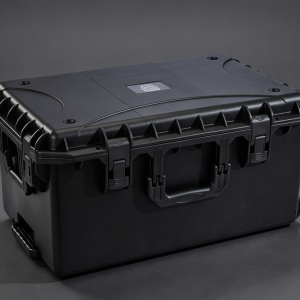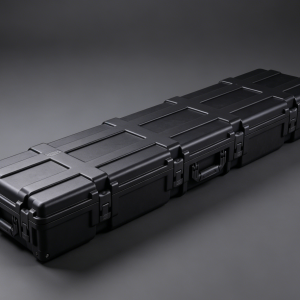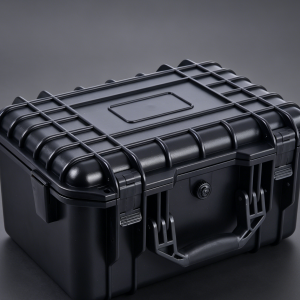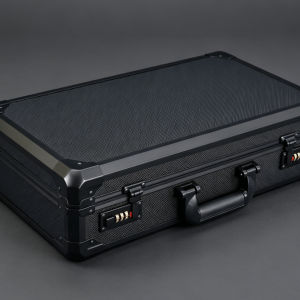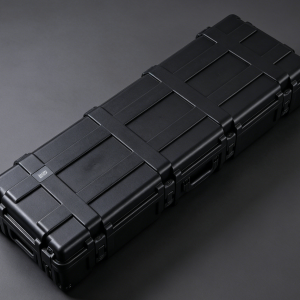
In industrial maintenance, warehouse management, automotive servicing, and everyday tool usage scenarios, the color of a tool box is often easily overlooked. Many users pay more attention to the capacity, material, and structural design of the tool box, while ignoring the impact of exterior color on actual work performance. As the number of tools continues to increase, relying solely on memory to find tools can easily reduce operational efficiency. A well-designed color system can help workers quickly identify tool categories, distinguish usage areas, and improve overall management clarity. Tool box color is not only a visual choice, but also an important factor in improving tool retrieval efficiency and standardizing workflow.
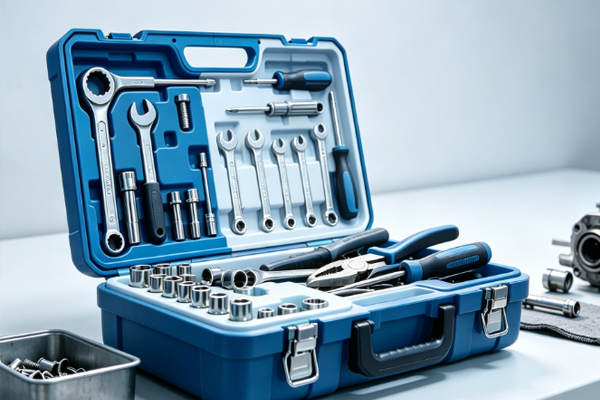
Tool Box Color Improves Tool Recognition Efficiency
In maintenance workshops or storage areas where a large number of tools are stored together, quickly locating the required tool is crucial. Color classification leverages visual recognition advantages to make tool management more intuitive.
Color Classification Reduces Search Time
Different colors of tool boxes can correspond to different tool categories, allowing workers to quickly identify storage areas.
- Distinguish tool types: Hand tools, power tools, and testing equipment can be managed with different colors to reduce searching time.
- Mark usage areas: Different maintenance stations use designated colored tool boxes for easy identification of assigned zones.
- Improve retrieval speed: Once familiar with the color system, workers can locate tools more quickly.
Clear color classification can significantly reduce wasted time in tool searching.
Color Design Helps Build Management Habits
A stable color system helps teams establish unified operational procedures.
- Fixed tool assignment: Different roles or departments use different colored tool boxes to clarify usage scope.
- Standardize return process: After use, tools can be quickly returned to the correct location based on color.
- Reduce management pressure: Managers can perform basic checks through color coding, improving maintenance efficiency.
Color management helps enterprises build a more standardized tool management system.
Tool Box Color Optimizes Warehouse Space Planning
Warehouse areas usually store a large number of tools and equipment, and spatial layout directly affects management efficiency.
Color Differentiation Enhances Area Management
Tool box color can serve as an important auxiliary identifier in warehouse planning.
- Different colors for different zones: Maintenance tool area, spare tool area, and pending maintenance area can be color-coded.
- Improve spatial recognition: Workers can quickly identify tool locations upon entering the warehouse.
- Reduce misplacement: With clear color standards, tools are returned more accurately.
A well-planned color system makes warehouse space clearer and more organized.
Color-Assisted Inventory Checks
Tool management is not only about usage but also requires regular inventory checks.
- Quickly identify missing tools: After establishing fixed color categories, anomalies are easier to detect.
- Improve inventory efficiency: Checking by color zones reduces time spent searching item by item.
- Support long-term maintenance: A unified color system helps continuously optimize inventory management.
Color-assisted methods improve the stability of warehouse management.
Tool Box Color Improves On-Site Maintenance Management
In maintenance environments where tools are frequently used, proper color design can optimize workflow and on-site organization.
Unified Color Enhances Professional Image
Tool box color affects the overall visual impression of maintenance areas.
- Maintain a clean environment: Unified colors reduce visual clutter.
- Establish standardized management: Companies can define color rules based on roles and zones.
- Improve work experience: A well-organized tool layout helps maintain smooth operations.
Good color planning enhances the professionalism of maintenance sites.
Color Combined with Labels Improves Accuracy
Relying on color alone has limitations; combining it with labels further improves recognition.
- Color with labeling: Quickly narrow down search scope through color coding.
- Avoid tool confusion: Visual differences help distinguish similar tools.
- Improve training efficiency: New employees can learn storage rules more quickly.
With multiple identification methods combined, tool management becomes more precise.
Choosing the Right Tool Box Color for Long-Term Value
Tool box color selection should be based on actual usage environments and management needs.
Select Functional Colors Based on Environment
Industrial maintenance scenarios are more suitable for dark, durable, and stain-resistant colors combined with functional color coding. Warehouse environments can use different colors for different zones to improve identification efficiency. Team-based operations can use color to distinguish role-based tools and reduce mixing. A well-designed color system can integrate with tool box structure and classification methods to form a more efficient management model.
Maintain a Consistent Color System Over Time
Once a color system is established, it should remain consistent to avoid management confusion caused by frequent changes. A unified standard helps new employees adapt quickly and maintains stable management logic during workflow adjustments. Through continuous optimization of color rules, overall management efficiency and user experience can be further improved.
In practical tool management solutions, color schemes function as an auxiliary organizational language that strengthens on-site zoning logic and usage order. By establishing a unified color system, tool ownership and storage paths become clearer, thereby improving workflow continuity. For long-term usage scenarios, this visual management approach helps maintain stable working rhythms and reduces management complexity. SIPHIA BOX is committed to providing more systematic tool storage solutions, combining structure and design to help users achieve more efficient and organized tool management experiences.