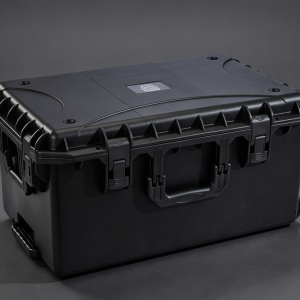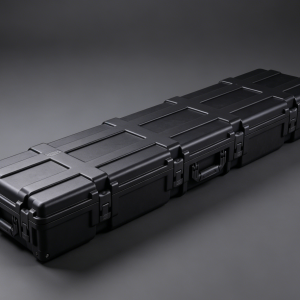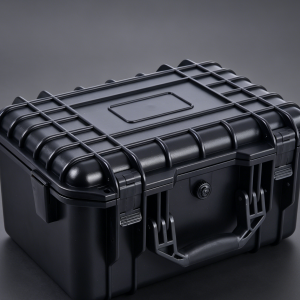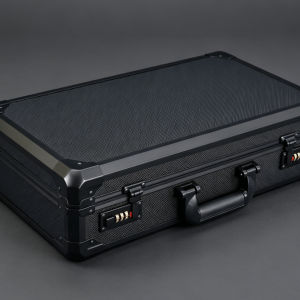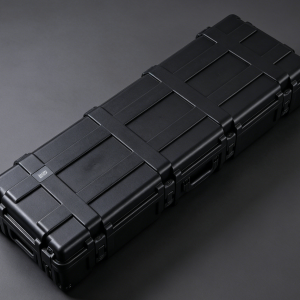
Toolboxes are widely used for repair work, installation, equipment maintenance, and household tool organization. As the number and types of tools continue to increase, plastic and metal toolboxes have become two common storage solutions. Although both can be used to store wrenches, screwdrivers, pliers, sockets, drill accessories, and various repair components, their different materials create noticeable differences in weight, corrosion resistance, impact resistance, portability, maintenance, and working environments. Plastic toolboxes are commonly made from PP, ABS, HDPE, and other materials. Through injection molding, manufacturers can create reinforcing ribs, dividers, trays, and specially designed lids, making them suitable for lightweight and portable applications. Metal toolboxes are commonly made from steel or aluminum alloys and offer strong structural rigidity and load-bearing capacity, making them suitable for heavy-duty tools and fixed workstations. Understanding the material characteristics and practical performance of both types can help purchasing teams, technicians, and household users choose the right toolbox for their needs.
Performance Differences Caused by Different Toolbox Materials
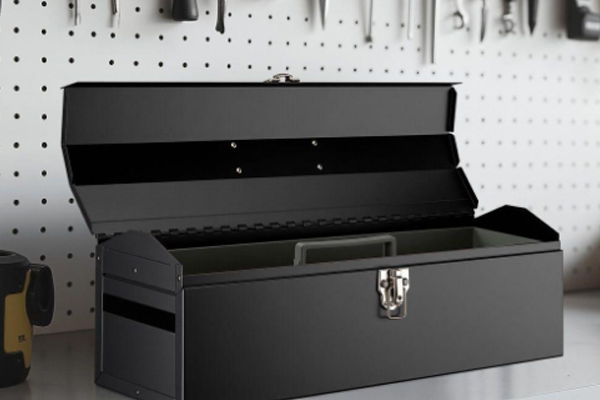
The most obvious difference between plastic and metal toolboxes comes from their body materials. Plastic toolboxes are manufactured from polymers and can be designed with different material formulations and structural configurations according to their intended use. PP provides good toughness, ABS offers good rigidity and surface quality, while HDPE can be suitable for environments requiring resistance to certain chemicals. Metal toolboxes are commonly manufactured from cold-rolled steel sheets, aluminum alloys, or other metals. Their rigid structures are suitable for carrying heavier mechanical tools. Steel toolboxes can generally maintain good structural stability when subjected to considerable external force, while aluminum toolboxes can reduce overall weight while maintaining a certain level of strength. Plastic bodies do not develop metal rust under normal humid conditions, giving them certain advantages in damp workshops, outdoor repairs, and environments with moisture. Metal toolboxes used in humid, salty, or corrosive environments may require protective coatings, anodizing, or other surface treatments. When purchasing a toolbox, buyers should consider tool weight, usage frequency, and working environment rather than judging suitability only by body hardness.
Weight, Portability, and Everyday User Experience
For workers who frequently move their tools, the weight of the toolbox itself directly affects usability. Plastic toolboxes are generally lightweight, making them easier to carry even after being filled with repair tools. They are suitable for field maintenance, home DIY, automotive servicing, electrical installation, and outdoor construction. The body can be designed with wide handles, non-slip grips, shoulder strap attachment points, or wheels to accommodate different transportation methods. Metal toolboxes are generally heavier, especially steel models. Once loaded with large wrenches, socket sets, drills, and other heavy tools, their overall weight can increase considerably. In fixed workshops, repair benches, and tool storage areas, this additional weight may not be a significant disadvantage and can provide stable placement. Aluminum toolboxes are usually lighter than steel models and can be used for instrument transportation, equipment maintenance, and mobile applications requiring structural strength. Plastic toolboxes are more suitable for frequent tool movement, while metal toolboxes are often preferred where load capacity and stable placement are priorities.
Differences in Protection and Durability
The protective performance of plastic and metal depends on material type, body thickness, structural design, and manufacturing quality. High-quality plastic toolboxes can improve impact resistance through thicker walls, reinforcing ribs, and optimized corners. Some models can also include sealing gaskets and reliable latches to provide better dust and splash resistance. For outdoor repairs, gardening, and automotive maintenance, plastic bodies have an advantage in that they do not rust in the same way as metal when exposed to ordinary moisture, making them relatively easy to maintain. Metal toolboxes provide high rigidity and stable support for heavy tools, mechanical components, and large hand tools. Steel bodies may become dented after significant impact, but they can often remain usable with appropriate maintenance. Aluminum toolboxes provide good corrosion resistance and a clean appearance. The durability of either type cannot be judged by material alone. Body thickness, hinge quality, latch construction, bottom support, and manufacturing processes can all affect long-term performance. When selecting a toolbox, users should match the required protection level to tool weight and working conditions.
Applications of Plastic and Metal Toolboxes
Both types of toolboxes can meet different work requirements. Plastic toolboxes are highly practical when lightweight construction, moisture resistance, and flexible organization are important, while metal toolboxes are often better suited to heavy-duty tool storage and fixed work areas.
- Automotive Repair: Plastic toolboxes are suitable for carrying common wrenches, screwdrivers, testing accessories, and small repair tools. Their lower weight makes movement between the workshop and vehicle easier. Metal toolboxes are suitable for heavier socket sets, ratchets, and larger mechanical repair tools.
- Electrical Installation: Plastic toolboxes can store multimeters, wire strippers, crimping tools, screwdrivers, and wiring accessories. Models with dividers can organize small components and make them easier to access during field work.
- Outdoor Construction: Plastic bodies are suitable for workplaces exposed to rain, moisture, and dust. Combined with sealing structures, they can reduce the impact of external conditions on stored tools.
- Mechanical Workshops: Metal toolboxes are suitable for heavier mechanical tools and can remain near workbenches for extended periods. For maintenance tasks requiring frequent movement, lightweight plastic models can also be considered.
- Home DIY: Plastic toolboxes are lightweight and available in many sizes, making them suitable for household repair tools. Compact models can be stored in cabinets, garages, or near home workbenches.
- Equipment Maintenance: Users carrying testing equipment, cables, and precision accessories can choose plastic toolboxes with foam inserts, trays, or adjustable dividers. Larger equipment maintenance jobs may require metal models depending on tool weight.
Different applications have different tool storage requirements. Buyers can select a suitable toolbox by considering tool weight, transportation frequency, storage location, and environmental humidity.
How to Choose the Right Toolbox for Your Needs
Choosing between a plastic and metal toolbox should be based on the actual tools and working methods involved. If the daily tool set mainly consists of screwdrivers, wrenches, pliers, electrical tools, and small testing devices, a lightweight plastic toolbox is often more convenient. For workers frequently operating outdoors, plastic models with sealing gaskets, dust-resistant structures, and reinforced latches can provide better adaptation to moisture, dust, and frequent transportation. If the toolbox is mainly used in a mechanical workshop and needs to store socket sets, heavy-duty wrenches, drills, and other heavy tools for long periods, steel or aluminum toolboxes can provide suitable load-bearing support. Users carrying precision instruments should pay attention to foam inserts, independent compartments, and fixing structures rather than focusing only on the body material. Companies purchasing toolboxes in bulk can also select different capacities according to employee roles, keeping frequently used tools and spare components properly organized. There is no absolute winner between plastic and metal toolboxes. The key is whether the material and design match the actual working requirements. Choosing the right toolbox can improve tool management efficiency and make repair, installation, and equipment maintenance work more convenient.