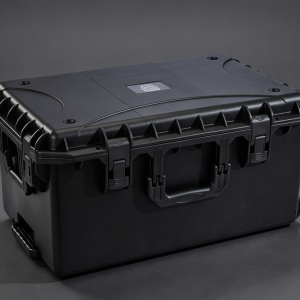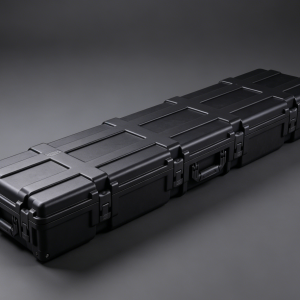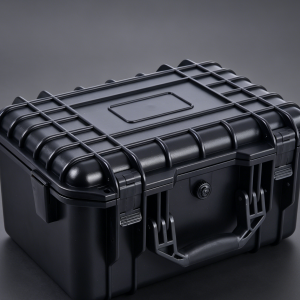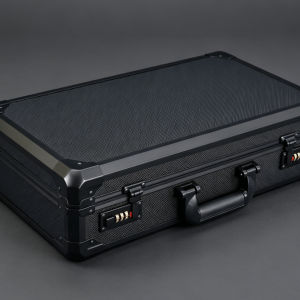
Although the latch on an aluminum tool box is relatively small, it directly affects the closing performance of the lid, tool security, and daily user experience. A suitable latch not only needs to hold the lid firmly in place, but also needs to withstand frequent opening and closing, transportation, and minor impacts. If the tool box is mainly used for household repairs, an ordinary hasp-style latch can meet the requirements. If it is used for automotive repair, industrial production, outdoor operations, or equipment transportation, more attention should be paid to the latch’s strength, corrosion resistance, and ability to prevent accidental opening. Common latches for aluminum tool boxes include butterfly latches, hasp latches, push latches, latches with lock cylinders, and combination latches. Different structures are suitable for different operating environments. When choosing a latch, you should not only consider its appearance but also take into account the size of the box, frequency of use, weight of the internal tools, and whether theft protection is required. For tool boxes that are frequently transported, the latches and hinges need to work together, and the edges of the box should also have sufficient structural strength. Otherwise, even if the latch itself is strong, the box may still deform after an impact. Choosing the right latch can make an aluminum tool box easier to open while improving stability during transportation and storage.
What Are the Common Types of Latches for Aluminum Tool Boxes?
Butterfly Latches: Suitable for Frequent Opening and Closing
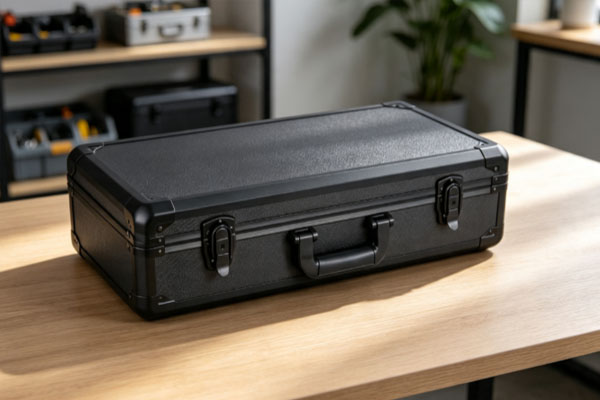
Butterfly latches are one of the more common structures used on aluminum tool boxes. They are usually opened and closed by pressing and flipping, making them relatively convenient to operate. The latch can also fit closely against the surface of the box, so it has little impact on the overall appearance. For repair personnel who need to frequently access and store tools every day, butterfly latches are relatively easy to use. If a model with a lock hole is selected, it can also be used with a padlock or other locking device to improve the security of the box.
Hasp Latches: Simple Structure and Easy to Use
Hasp latches have a relatively simple structure and generally consist of a mounting base, clasp, and movable component. After closing the lid, the clasp can be fastened to keep the box closed. This type of latch is suitable for household tool boxes, small repair boxes, and general tool storage applications. If a high level of theft protection is not required and the main purpose is to prevent the lid from opening accidentally during transportation, a hasp latch is usually sufficient.
Latches with Lock Cylinders: Suitable for Applications Requiring Theft Protection
If the tool box contains power tools, measuring equipment, valuable accessories, or other items, a latch with a lock cylinder can be considered. This type of latch can usually be locked with a key, eliminating the need to carry an additional padlock. For tool boxes that need to remain in vehicles, warehouses, or work sites for extended periods, a built-in lock cylinder is more convenient. However, the lock cylinder itself also needs protection against dust, moisture, and rust. Otherwise, the key may become difficult to turn after long-term use.
What Should You Focus on When Choosing a Latch?
Latch Strength Should Match the Weight of the Tool Box
If an aluminum tool box contains a large number of wrenches, sockets, electric drills, and other heavy tools, the lid may experience considerable pressure. If the latch is too small or made from a material with insufficient strength, it may become deformed, loose, or even break after long-term use. When choosing a latch, select an appropriate size based on the dimensions of the box and its loaded weight. Small tool boxes do not require particularly large latches, while large tool boxes can use larger latches with wider mounting areas.
Check the Material and Surface Finish
Latches are frequently exposed to air. When used outdoors, they may also come into contact with rainwater, dust, and sweat. Therefore, corrosion resistance can affect their service life. Common latch materials include stainless steel, galvanized steel, and aluminum alloy. Different materials have different levels of strength and corrosion resistance. If the tool box is frequently used outdoors or in humid environments, metal latches with better corrosion resistance can be prioritized. The surface finish should also be inspected for uniformity. If the coating is prone to peeling, rust may develop after a period of use, affecting the opening and closing performance.
How Should You Choose a Latch for Different Applications?
Household Tool Boxes Should Prioritize Convenience
Aluminum tool boxes used for household repairs are generally not exposed to harsh environments for long periods, and the weight of the internal tools is also relatively limited. Therefore, an ordinary hasp latch or a small butterfly latch can be selected. These tool boxes are not used at a high frequency every day, so the latch mainly needs to ensure that the lid remains securely closed. If there are children in the home and the tool box contains scissors, screwdrivers, or other items, a lockable structure can be selected to prevent unauthorized opening.
Industrial Repair and Outdoor Operations Require Greater Durability
Industrial repair personnel often need to carry tool boxes and may use them in workshops, construction sites, or outdoor environments. In these situations, the latch must not only withstand frequent opening and closing but also handle impacts and dust. A butterfly latch or heavy-duty hasp with moderate thickness, a large mounting area, and a sturdy structure can be selected. For tool boxes that are frequently transported over long distances, additional latches can be added to distribute the load on the lid more evenly.
When choosing a latch, you can also pay attention to the following four points:
Frequent use: Prioritize structures with smooth operation and good wear resistance.
Outdoor environments: Choose materials with better corrosion resistance.
Heavy-duty tools: Choose latches with higher load-bearing capacity and larger mounting areas.
Theft protection requirements: Choose a structure with a lock cylinder or one that can be used with a padlock.
Frequently Asked Questions
Q1: Is a Butterfly Latch or an Ordinary Hasp Latch Better for an Aluminum Tool Box?
Answer: Both types of latches can be used. Butterfly latches are more suitable for frequent opening and closing and applications where the appearance of the box is important. Ordinary hasp latches have a simple structure and relatively low cost, making them suitable for general tool storage. The actual choice mainly depends on the size of the tool box and frequency of use.
Q2: How Many Latches Should Be Installed on an Aluminum Tool Box?
Answer: Small boxes generally require one or two latches. For larger tool boxes, the number of latches can be increased according to the length of the lid. The latches should be distributed as evenly as possible so that the lid is subjected to a more stable load when closed and edge lifting can be reduced.
Q3: What Type of Latch Should Be Selected for an Outdoor Tool Box?
Answer: It is recommended to choose metal latches with good corrosion resistance and pay attention to the surface finish. When the latch is frequently exposed to rainwater or humid air, dust and moisture should be cleaned from the latch regularly, and appropriate lubrication can be applied when necessary.
When choosing a latch for an aluminum tool box, there is no need to simply pursue a large size or complicated appearance. Instead, the choice should be based on the actual operating environment, box size, weight of the internal tools, and theft protection requirements. Household repair tool boxes can use simple hasp latches or small butterfly latches, as long as they are convenient for daily opening and closing. Tool boxes used for industrial repair, automotive maintenance, and outdoor operations are more suitable for latches with higher strength and larger mounting areas. If power tools, measuring instruments, or other high-value equipment are stored inside, a latch with a lock cylinder can also be selected. Since outdoor tool boxes are frequently exposed to rainwater, dust, and moisture, materials with good corrosion resistance should be selected, and the latches should be cleaned regularly. Large tool boxes should also take the number and installation positions of the latches into consideration so that the lid can bear force evenly. For boxes made from relatively thin aluminum sheets, reinforced structures can be added around the latch mounting positions to prevent deformation caused by long-term stress. By selecting suitable latches and combining them with sturdy hinges, properly designed box edges, and reliable sealing structures, an aluminum tool box can maintain good stability during frequent transportation and long-term use.