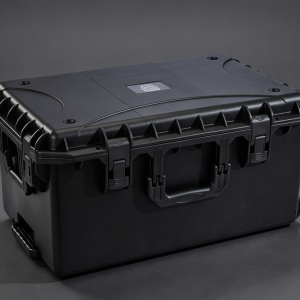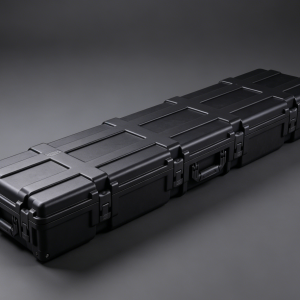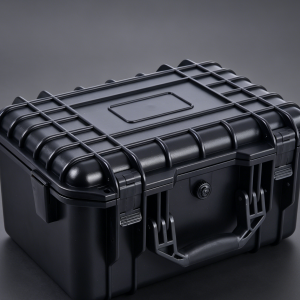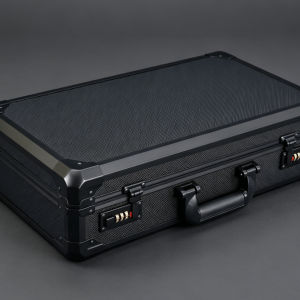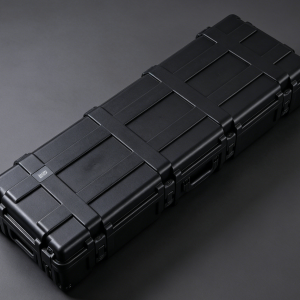
Aluminum tool boxes are widely used in repair work, industrial production, automotive maintenance, outdoor operations, and equipment transportation due to their lightweight, stable structure, and portability. When purchasing a tool box, many users pay attention to how many tools it can hold and whether it can store heavier items such as electric drills, wrenches, and measuring equipment. The load-bearing capacity of an aluminum tool box is not determined solely by the thickness of the aluminum sheet. Instead, it is affected by multiple factors, including the box structure, material strength, bottom design, connection methods, and hardware components.
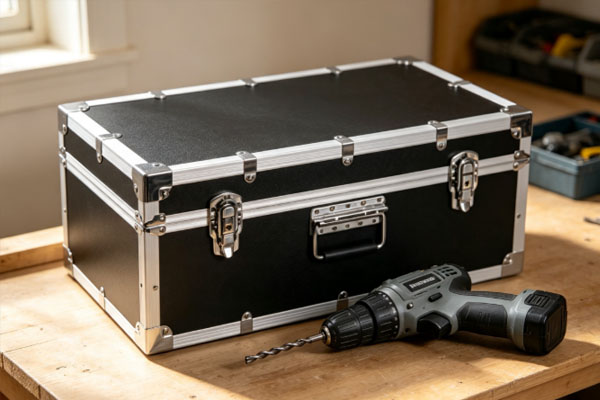
Tool boxes made with thicker aluminum sheets, reinforced structures, and strong connection processes usually have higher load-bearing capabilities. In contrast, small tool boxes with simple structures and thinner materials are more suitable for storing lightweight tools. It should be noted that the load-bearing capacity of a tool box does not only refer to how much weight the bottom can support. It also includes the overall load capacity of the lid, handle, latches, and corners. If tools exceeding the designed capacity are stored inside for a long time, the box may deform, the latches may become loose, or the handle may be damaged. Therefore, when selecting an aluminum tool box, the size and structure should be determined according to actual storage requirements rather than only focusing on appearance and dimensions. Proper use and maintenance can also help the tool box maintain good load-bearing performance.
What Factors Affect the Load-Bearing Capacity of an Aluminum Tool Box?
Aluminum Sheet Thickness Determines the Basic Load Capacity
Aluminum tool boxes mainly rely on aluminum sheets to form the external protective structure, and the thickness of the material directly affects the rigidity of the box. Thicker aluminum sheets are less likely to bend under pressure and can provide more stable support for internal tools. However, thicker aluminum sheets are not always better. A tool box needs to balance weight and strength. Simply increasing material thickness will make the box heavier and reduce portability. Therefore, the appropriate sheet thickness needs to be designed based on the size of the tool box, usage environment, and target load capacity. Small tool boxes are usually used for storing screwdrivers, pliers, small electrical repair tools, and other lightweight items. A moderate aluminum sheet thickness is generally sufficient. Large industrial tool boxes used for storing electric drills, socket sets, large wrenches, and other equipment require a stronger box structure.
Box Structure Affects Overall Stability
Even with the same aluminum sheet thickness, different structural designs can result in different load-bearing performance. High-quality aluminum tool boxes usually improve overall strength through folded edges, reinforcing ribs, support frames, and other structural designs.
Common reinforcement designs include:
Bottom reinforcement structure: Reduces deformation caused by concentrated tool weight on the bottom of the box. Edge folding design: Improves the pressure resistance of the box edges.
Internal support structure: Allows the box to distribute force more evenly.
Reinforced corners: Reduces damage caused by impacts during transportation.
If a tool box is simply assembled from flat aluminum sheets, even if the material is relatively thick, long-term loading of heavy objects may still cause the bottom to sag or the corners to deform.
How Much Weight Can Different Types of Aluminum Tool Boxes Hold?
Small Aluminum Tool Boxes Are Suitable for Lightweight Tools
Small aluminum tool boxes usually have a compact size, and their design focuses on portability. These tool boxes are suitable for storing commonly used repair tools, such as screwdrivers, adjustable wrenches, voltage testers, measuring tapes, and small accessories. Due to limited internal space, their load-bearing design is generally based on daily carrying requirements. If too many heavy tools are placed inside, it will not only increase pressure on the box structure but may also affect the service life of the latches and handle.
Medium and Large Tool Boxes Are Suitable for Heavy Equipment
Medium and large aluminum tool boxes have more internal space and usually adopt stronger structural designs, allowing them to store more professional tools. Examples include automotive repair tools, machining equipment accessories, and electrical testing equipment. In addition to requiring strong bottom load capacity, these tool boxes also need attention to:
Handle strength: During transportation, the entire weight is transferred to the handle area.
Number of latches: Multiple latches can distribute the force on the lid more evenly.
Hinge quality: Hinges need to withstand the weight of the lid during frequent opening and closing.
Internal layout: Proper distribution of tool weight can reduce localized pressure.
A large tool box should not be judged only by its capacity. Internal structural design also determines its actual performance.
三、How Can the Load-Bearing Performance of an Aluminum Tool Box Be Improved?
Even if a tool box has good load-bearing capacity, it is not recommended to place all heavy items in one location. For example, placing a large number of metal tools on one side of the box may create excessive local stress, causing deformation of the bottom or side panels. A better approach is to classify tools according to weight, place heavier tools closer to the bottom, and store small parts in separate compartments. This allows the overall force distribution of the box to remain more balanced.
Regularly Check the Condition of the Box and Accessories
After a tool box has carried loads for a long time, key areas should be inspected for abnormal conditions. If deformation of the bottom, a loose handle, or a latch that cannot close properly is found, it should be addressed promptly.
Daily maintenance should include the following points:
Avoid exceeding the designed load range: Do not use the tool box under long-term overload conditions simply to carry more tools.
Check connection points: Rivets, screws, and welded areas should remain secure.
Protect the corners of the box: Damaged corners may affect overall structural strength.
Reduce severe impacts: Avoid exposing the tool box to strong impacts during transportation.
Good usage habits can extend the service life of the tool box and help maintain its original load-bearing capacity.
Frequently Asked Questions
Q1: How Much Weight Can an Aluminum Tool Box Generally Hold?
Answer: The load-bearing capacity varies between different models. Small tool boxes are suitable for carrying daily repair tools, while medium and large tool boxes can hold more professional equipment. The specific weight capacity depends on the product structure, aluminum sheet thickness, and manufacturing process. It cannot be determined only by appearance.
Q2: Does a Heavier Aluminum Tool Box Mean It Has Better Load Capacity?
Answer: Not necessarily. A heavier tool box may indicate thicker materials, but it may also reduce portability. The actual load-bearing capacity depends on material strength, structural design, and connection methods. Proper design is more important than simply increasing weight.
Q3: Can a Tool Box With a Deformed Bottom Still Be Used?
Answer: It depends on the degree of deformation. If the change is only minor and does not affect lid closure or tool storage, it may continue to be used. However, if the bottom is significantly sunken, cracked, or affects structural stability, repair or replacement is required.
Q4: Are Aluminum Tool Boxes Suitable for Storing Power Tools?
Answer: Yes, but a model with a stronger structure should be selected. Equipment such as electric drills and battery packs are relatively heavy. When storing them for long periods, attention should be paid to reinforced bottom designs and avoiding concentrated placement of tools.
The load-bearing capacity of an aluminum tool box is closely related to its material, structure, and usage methods. The thickness of the aluminum sheet determines the basic strength, while reinforcing ribs, folded edge designs, bottom structures, and hardware components affect overall stability. A well-designed tool box must not only support the weight of internal tools but also maintain the stability of the box body, handle, latches, and hinges during transportation. When selecting an aluminum tool box, the specifications should be determined according to the actual application. If it is only used for storing daily repair tools, a small tool box can meet the requirements. If it needs to carry power tools, mechanical accessories, or professional equipment, a model with a stronger structure should be selected. During use, long-term overloading should be avoided, and the weight of internal tools should be distributed properly.