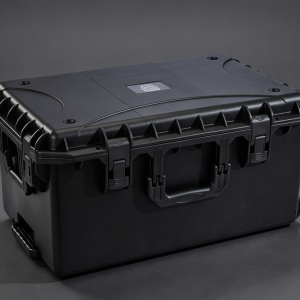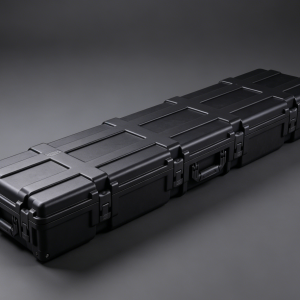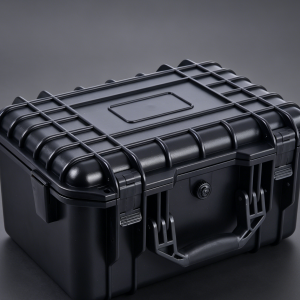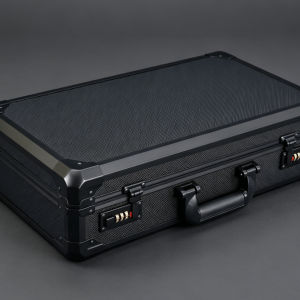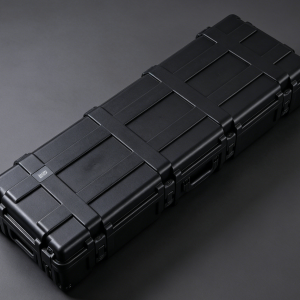
Industrial-grade aluminum tool boxes are mainly used in production maintenance, equipment installation, engineering construction, automotive maintenance, aviation inspection, and outdoor operations. Compared with ordinary household tool boxes, they need to handle higher usage frequency, more complex working environments, and heavier tool loads. Therefore, when choosing an industrial-grade aluminum tool box, it is not enough to focus only on appearance and capacity. It is also necessary to consider the box strength, material quality, structural design, protective performance, and ease of use. Tools used in industrial environments usually include various types of equipment, such as power tools, measuring instruments, mechanical parts, and precision devices. These items are not only relatively heavy but may also require protection against shock, dust, and moisture.
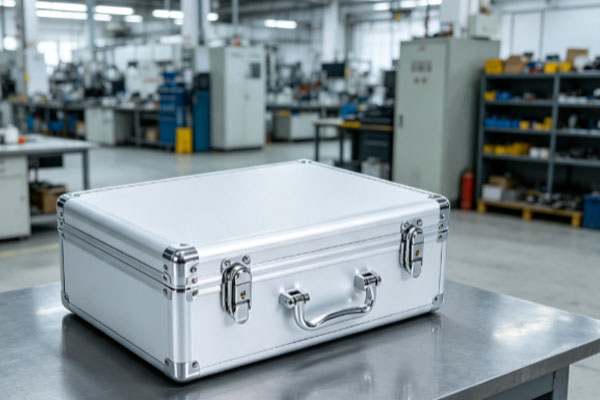
A high-quality industrial-grade aluminum tool box should provide stable load-bearing capacity while maintaining good structural condition during handling, transportation, and long-term use. Aluminum itself has the advantages of lightweight and good corrosion resistance, which can reduce the carrying burden on workers while meeting strength requirements. Different working environments have different requirements for tool boxes. For example, fixed workshop use focuses more on storage capacity and organization functions, while outdoor construction places greater emphasis on sealing, protection, and durability.
What Basic Performance Should an Industrial-Grade Aluminum Tool Box Have?
Box Material Determines Usage Stability
Industrial tool boxes may need to carry large amounts of metal tools every day, so the quality of the box material is very important. Aluminum plate thickness, alloy type, and processing technology all affect the overall strength of the tool box. High-quality aluminum tool boxes usually use aluminum alloy materials with certain strength and form stable structures through bending, riveting, or welding processes. Aluminum plates with suitable thickness can improve resistance to pressure while avoiding excessive box weight.
When choosing, attention can be paid to the following points:
Aluminum plate thickness: It should be selected according to tool weight and working environment. Heavy-duty tools require stronger structural designs.
Surface treatment: Proper anodizing or coating processes can improve wear resistance and corrosion resistance.
Material consistency: The box body, frame, and reinforcement structures should have good compatibility to prevent loosening after long-term use.
Industrial-grade tool boxes are not necessarily better simply because the aluminum plate is thicker. The key is maintaining a reasonable balance between strength, weight, and convenience.
Structural Design Affects Long-Term Load Capacity
Tool boxes used in industrial environments often need to be transported. If the box structure is insufficient, deformation may occur even when the material quality is good. Therefore, structural design is an important factor in evaluating the quality of an industrial tool box. Common reinforcement designs include reinforcing ribs, metal frames, reinforced bottom plates, and protective corners. These designs can distribute tool weight more evenly and improve overall stability. For example, reinforced bottom structures can reduce sinking problems caused by long-term storage of heavy tools; corner protection can reduce damage caused by collisions during transportation. For tool boxes that are frequently moved, attention should also be paid to whether the handles, latches, and hinges are securely installed.
What Protective Functions Should an Industrial-Grade Aluminum Tool Box Have?
Dustproof and Waterproof Performance Affects Tool Protection
Industrial workplaces usually contain environmental factors such as dust, oil stains, and moisture. If the tool box does not have sufficient sealing performance, internal equipment may be affected. Aluminum tool boxes with sealing strip designs can reduce the entry of dust and moisture into the box. For storing electrical equipment, inspection instruments, or precision components, good sealing performance is even more important.
When selecting, you can check:
Sealing strip material: It should have proper elasticity and maintain a good sealing effect for a long time.
Box lid closing performance: There should be no obvious gaps after closing.
Latch pressure: The latch should ensure that the lid presses the sealing structure firmly.
It should be noted that sealing performance depends not only on the sealing strip but also on the box processing accuracy and latch structure.
Internal Protection Design Should Not Be Ignored
Industrial tool boxes need to protect not only the box itself but also the stored items inside. In particular, measuring equipment and electronic instruments are relatively sensitive to impacts and vibrations. Better industrial-grade aluminum tool boxes are usually designed with foam linings, dividers, or customized slots to keep tools in fixed positions.
Internal design can improve:
- Tool organization efficiency
- Stability during transportation
- Protection capability for precision equipment
- Convenience when accessing tools at the workplace
A reasonable internal layout can reduce collisions between tools and allow workers to quickly find the required equipment.
How to Choose Tool Boxes for Different Industrial Environments?
Workshop Maintenance Focuses More on Capacity and Load Capacity
Factory maintenance workers usually need to carry wrenches, electric drills, testing instruments, and spare parts. Therefore, tool boxes need sufficient storage space and strong load-bearing capacity. For this type of application, industrial aluminum tool boxes with deeper bodies and reinforced bottoms are suitable. At the same time, internal compartments are recommended so that different types of tools can be stored separately.
Outdoor Construction Requires Better Protection
Outdoor construction environments are more variable, and tool boxes may be exposed to rain, dust, and sunlight. Therefore, when selecting a tool box, more attention should be paid to sealing performance, corrosion resistance, and structural stability.
When choosing an industrial-grade aluminum tool box, the following four points can be checked:
Usage frequency: Daily use requires wear-resistant structures and high-quality hardware components.
Tool weight: Heavy equipment requires stronger load-bearing structures.
Environmental conditions: Humid environments require better sealing and corrosion protection designs.
Transportation method: Long-term handling requires attention to handle strength, latch durability, and vibration resistance of the box body.
Frequently Asked Questions
Q1: What is the difference between an industrial-grade aluminum tool box and an ordinary tool box?
Answer: Industrial-grade tool boxes usually have higher requirements for material thickness, structural strength, hardware components, and protective performance. Ordinary tool boxes are suitable for household repairs, while industrial-grade products need to meet the requirements of long-term, high-frequency use in complex environments.
Q2: Does an industrial tool box have to use thick aluminum plates?
Answer: Not necessarily. Aluminum plate thickness is only one factor affecting strength. The box structure, reinforcement design, and connection process are equally important. A well-designed aluminum tool box can meet industrial requirements even with a relatively lightweight structure.
Q3: Does an industrial-grade tool box need wheels?
Answer: If the internal tools are heavy and the box needs to be moved frequently, a model with wheels can be selected. For fixed work areas, a standard handle design can be chosen to reduce overall weight.
Q4: How can you determine whether a tool box is suitable for long-term use?
Answer: You can check whether the box body is sturdy, whether the corners have reinforcement protection, whether the latches operate smoothly, whether the hinges are stable, and whether the internal design is reasonable. These details can reflect the actual durability of the tool box.
Choosing an industrial-grade aluminum tool box requires comprehensive consideration of material strength, structural design, protective capability, and the actual working environment. A suitable industrial tool box should not only be able to store the required tools but also maintain stability during long-term transportation, frequent opening and closing, and complex working conditions. When selecting, the load-bearing capacity of the box should be determined according to tool weight, while the need for higher dustproof and waterproof performance should be judged based on the working environment. If the box is used for storing precision equipment, attention should also be paid to internal cushioning design and fixing methods. If it is used for heavy-duty maintenance work, the bottom reinforcement structure, latch strength, and handle quality should be carefully checked. During daily use, proper maintenance is also required, such as cleaning dust in time, checking latch conditions, and avoiding long-term overload storage. The value of an industrial-grade aluminum tool box is not only reflected in the initial purchase but also in its reliability during long-term use. Through reasonable selection of structure and configuration, the tool box can better meet the needs of maintenance, transportation, and equipment management.