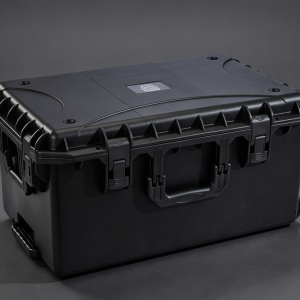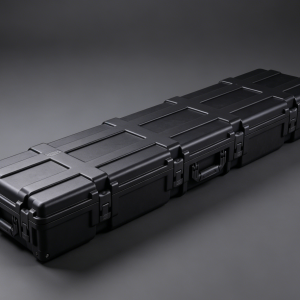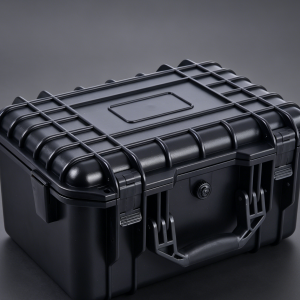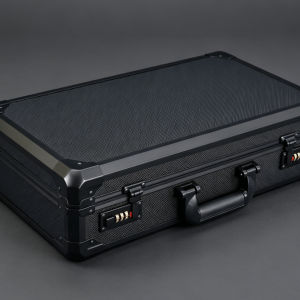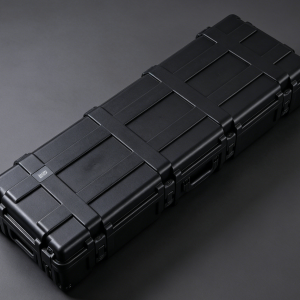
Aluminum tool boxes are commonly used in repair work, industrial production, automotive maintenance, electronic equipment maintenance, and outdoor operations. Compared with ordinary plastic boxes and fabric tool bags, aluminum tool boxes often give people an immediate impression of being sturdy, stable, and durable. They can not only store wrenches, screwdrivers, pliers, power tools, and other items, but also reduce the impact of collisions, compression, and dust on tools during transportation and daily use. Aluminum itself has the characteristics of relatively low weight, moderate strength, and good corrosion resistance. After processing through bending, stamping, riveting, and other processes, it can form a box structure with a certain load-bearing capacity. For people who need to carry tools frequently, this type of box is neither as heavy as a thick steel box nor as prone to cracking from long-term collisions as an ordinary plastic box.
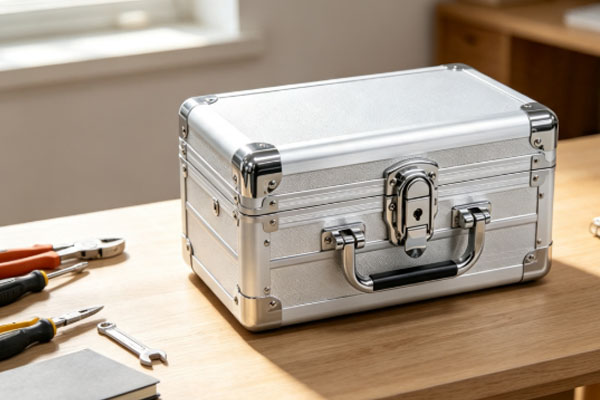
Aluminum Itself Provides a Good Foundation for Durability
Relatively Lightweight
Aluminum has a lower density than steel, so when similar box dimensions and structural requirements are met, aluminum tool boxes are generally not particularly heavy. Tool boxes need to be moved frequently. If the box itself is too heavy, carrying it can become difficult once wrenches, electric drills, sockets, and other tools are placed inside. An aluminum structure can reduce its own weight while maintaining a certain level of rigidity. For repair personnel, installation workers, and people who frequently work outdoors, a lighter box can reduce the burden of carrying it and can also reduce the possibility of structural damage caused by frequent dragging and lifting.
Not Easily Rusted by Ordinary Moisture
Ordinary carbon steel is prone to rust after prolonged exposure to humid air. If scratches appear on the surface of a tool box, the metal substrate may also be further affected. Aluminum can form a relatively stable oxide film in the air, which can provide a certain degree of protection to the material underneath. Therefore, under normal conditions of use, aluminum tool boxes generally have good resistance to moisture. It should be noted that aluminum does not mean that corrosion is completely impossible. In environments with salt spray, strong acids and alkalis, or long-term standing water, cleaning and maintenance are still necessary.
Box Structure Determines the Actual Service Life
Reinforcement Ribs Make the Box Less Prone to Deformation
The durability of an aluminum tool box depends not only on the aluminum sheet material but is also closely related to the box structure. High-quality tool boxes usually improve overall rigidity through folded edges, reinforcement ribs, and reasonable sheet connection methods.
Folded-edge structure: It can increase the stability of the edges of the box panels and reduce obvious deformation after pressure is applied.
Reinforcement rib design: It can improve the supporting capacity of the lid and bottom of the box, making it suitable for storing relatively heavy tools.
Riveted connections: They can maintain stable connections between different aluminum panels and reduce the possibility of loosening during long-term use.
Corner protection: The four corners of the box are vulnerable to impact. Using metal corner protectors or thicker structures can reduce damage caused by bumps and collisions.
Proper Design Is More Important Than Simply Increasing Thickness
Some people believe that the thicker the tool box, the stronger it will be. However, during actual use, box thickness is only one factor affecting durability. Sheet thickness, bending methods, connection processes, and box dimensions need to work together. For example, even if a box uses relatively thick aluminum sheets, poor-quality latches and hinges may still become loose after being opened and closed repeatedly for a long time. Conversely, a box with a reasonable sheet thickness, strong connection structures, and good corner protection can also achieve a good service life.
Why Are Aluminum Tool Boxes Suitable for Long-Term Tool Storage?
The main purpose of a tool box is not simply to “hold things.” It also needs to protect internal tools during transportation, handling, and storage. An aluminum box can form a relatively stable external protective layer. When the box experiences minor collisions or compression, it can provide a certain degree of protection for the tools inside. When storing precision tools, the stability of the external box is particularly important. If screwdrivers, measuring tools, electronic repair tools, and other items are repeatedly exposed to collisions with hard objects over a long period, they may become damaged or experience changes in accuracy. A properly designed aluminum tool box can be combined with foam, EVA liners, partitions, and other materials to keep tools relatively secure inside the box. At the same time, the surface of an aluminum box is relatively easy to clean. Oil stains, dust, and metal debris often occur in working environments, and daily cleaning can be carried out with a damp cloth or an appropriate cleaning method. As long as prolonged contact with highly corrosive substances is avoided, the box can generally maintain a good appearance and structural condition.
Frequently Asked Questions
Q1: Why do aluminum tool boxes easily give people the impression that they are more durable?
Answer: This is mainly because aluminum sheets have a certain degree of rigidity, while the box structure usually includes folded edges, reinforcement ribs, metal corner protectors, latches, and hinges. During normal use, they can withstand a certain degree of impact and compression and are less likely to develop obvious cracks like some thin-walled plastic boxes.
Q2: Can an aluminum tool box become dented if it is hit?
Answer: Yes. Aluminum is not a material that cannot deform. If the box experiences a strong impact, such as falling from a relatively high position or being directly struck by a heavy object, the aluminum sheet may also become dented. Therefore, “durable” does not mean that it can never be damaged. It means that under reasonable conditions of use, it has good resistance to impact and good long-term usability.
Q3: Will an aluminum tool box rust?
Answer: Aluminum does not form the common reddish-brown iron rust associated with ordinary iron materials, but corrosion can occur under certain environmental conditions. In particular, when exposed to salt spray, acidic or alkaline liquids, or humid environments with standing water for a long time, it should be cleaned and dried promptly.
Q4: Are aluminum tool boxes suitable for storing heavy-duty tools?
Answer: Yes, but this depends on the box structure and load-bearing design. Relatively heavy tools such as electric drills, sockets, and wrenches can be placed in aluminum tool boxes with reinforced structures. If heavy equipment will be stored for a long time, a model with a reinforced bottom, sturdy hinges, and reliable latches should be selected.
Aluminum tool boxes are relatively durable because of both the properties of aluminum itself and the design of the box structure. Aluminum is relatively lightweight, has a certain level of strength, and offers good corrosion resistance, allowing it to provide stable external protection during daily handling, tool storage, and repair work. When the box incorporates folded edges, reinforcement ribs, corner protectors, and reliable connection structures, its resistance to deformation can be further improved. It is important to note that durability does not mean that damage is completely impossible. Aluminum sheets can still become dented after strong impacts, while latches and hinges may wear after long-term and frequent use. Therefore, when choosing a tool box, do not look only at its appearance. You should also pay attention to aluminum sheet thickness, box structure, load-bearing capacity, corner protection design, and hardware quality. During daily use, avoiding overloading, promptly removing dust and moisture, and reducing prolonged contact with highly corrosive substances can all help maintain the tool box in good working condition.