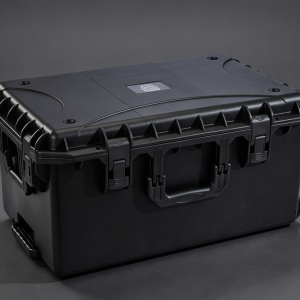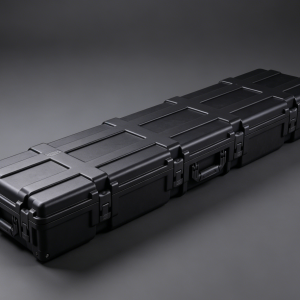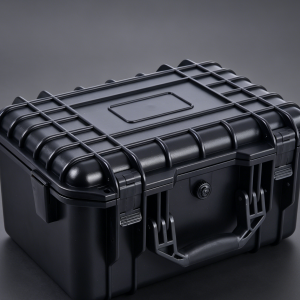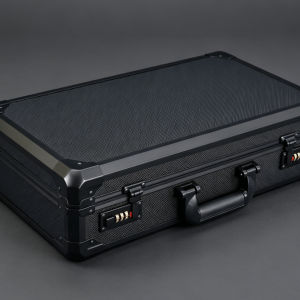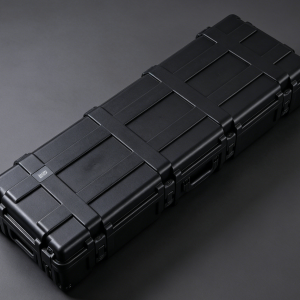
Maintenance work emphasizes efficiency and relies heavily on a well-structured tool management system. In scenarios such as automotive repair, equipment maintenance, and industrial servicing, the variety of tools is extensive and the frequency of use is high. Traditional handheld toolboxes often struggle to meet requirements in terms of capacity and organization. A tool box cart integrates storage and mobility through multi-drawer structures, caster wheel design, and large-capacity space, enabling technicians to quickly access required tools between different workstations. For professionals engaged in long-term maintenance work, this type of cart not only reduces repeated carrying but also optimizes tool placement, keeping the workspace clean and organized.
Tool Box Carts Improve Tool Usage Efficiency
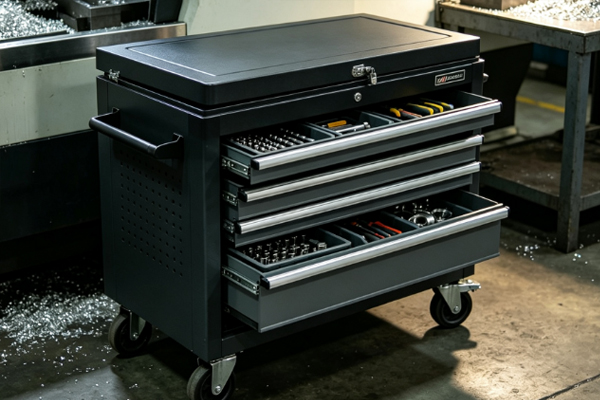
During maintenance tasks, technicians often need to switch between multiple tools continuously, and storage methods directly affect workflow smoothness. Tool box carts make tool access more intuitive through zoned management and fixed storage positions.
Layered Structure Optimizes Access Workflow
Traditional toolboxes tend to mix tools together due to concentrated space, reducing search efficiency.
- Frequently used tools stored by category: wrenches, screwdrivers, pliers, and socket sets can be placed in separate drawers to reduce searching steps.
- Small parts organized centrally: screws, washers, and bits can be stored in compartment trays to prevent scattering and loss.
- Fixed storage logic: each tool type has a dedicated position, forming stable usage habits over time.
A clear zoning system reduces interruptions and makes maintenance workflows smoother.
Tool Classification Better Fits Professional Scenarios
Different maintenance tasks require different tool combinations, making classification especially important.
- Hand tools centralized: pliers, wrenches, and screwdrivers can be grouped together for daily high-frequency operations.
- Power tools stored separately: drills, batteries, and chargers can be placed in independent compartments to avoid mixing with small parts.
A well-structured classification system helps build a more systematic tool management framework.
Tool Box Carts Reduce Movement and Carrying Burden
Technicians often need to move between multiple workstations, and tool mobility directly affects overall work efficiency.
Caster Design Enhances Mobility
Tool box carts are equipped with caster wheels and push handles, making on-site movement much easier. In automotive repair environments, they can follow the vehicle position, reducing time spent going back and forth to retrieve tools. They also allow multiple tools to be transported in a single load, avoiding the burden of carrying multiple boxes. After work is completed, the cart can be pushed back to the storage area for unified placement, improving overall organization efficiency and making tool management more aligned with real workflow needs.
Capacity Design Supports Long-Term Expansion Needs
As experience grows, technicians typically accumulate more tools over time.
- Multi-drawer structure distributes space: different tool categories are stored in layers to improve space utilization.
- Enhanced load-bearing capacity: suitable for long-term storage of metal tools and heavy equipment.
- Reserved expansion space: allows continued organization even as tool quantity increases.
A stable capacity design makes it suitable for long-term professional use.
Improving Overall Workspace Order and Environment
Tool management not only affects individual efficiency but also the cleanliness and order of the entire maintenance area.
Reducing Random Placement
Temporary tool placement during maintenance is common and can easily cause clutter.
- Unified return system: used tools can be quickly returned to designated drawers.
- Clear categorization: tools are stored by type for easy inspection.
- Reduced loss risk: centralized management makes missing tools easier to identify.
Standardized management helps maintain a stable working environment.
Enhancing Professional Work Image
A well-organized tool cart layout improves the overall working environment, making the workspace cleaner. Centralized tools free up more operational space, and multiple workstations can adopt a unified tool cart configuration, supporting standardized management. Good tool organization also enhances the overall professional image.
Suitable for Long-Term Multi-Scenario Maintenance Needs
Tool box carts maintain strong adaptability across different maintenance environments.
Multi-Type Application Scenarios
Its structural design meets a wide range of professional requirements.
- Automotive repair applications: suitable for socket sets, torque tools, and diagnostic equipment, improving disassembly and assembly efficiency.
- Industrial maintenance scenarios: can store power tools and measuring instruments, enhancing on-site responsiveness.
- Installation and engineering work: emphasizes mobility and centralized management, suitable for multi-point operations.
A universal structure allows stable performance across different fields.
Improved Long-Term Durability
Long-term high-frequency use places higher demands on structure and management capability.
- Reinforced frame design: metal structure and strengthened drawers improve durability.
- Consistent organization over time: maintains orderly storage even as tools increase.
- Improved overall efficiency: reduces time spent searching and carrying tools, making workflows smoother.
Choosing a suitable tool cart helps improve long-term work efficiency.
Compared with traditional toolboxes, tool box carts offer clear advantages in capacity, classification, and mobility, making them suitable for professional scenarios such as automotive repair, industrial maintenance, and equipment servicing. SIPHIA BOX focuses on professional tool storage solutions, using structural optimization and practical design to help technicians build more efficient and organized working environments. Its durable construction is designed to withstand high-intensity daily use, extending product lifespan. At the same time, a well-planned tool layout helps reduce fatigue during operation and improves overall work efficiency.