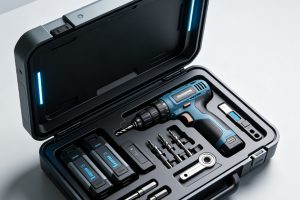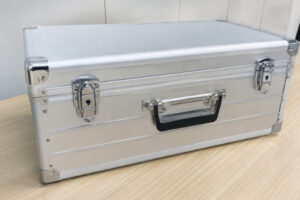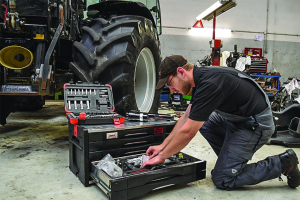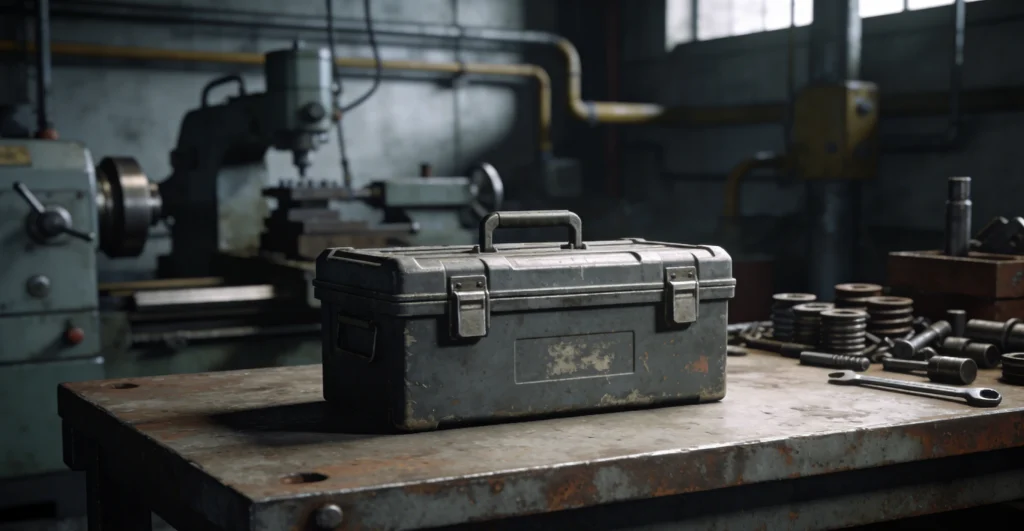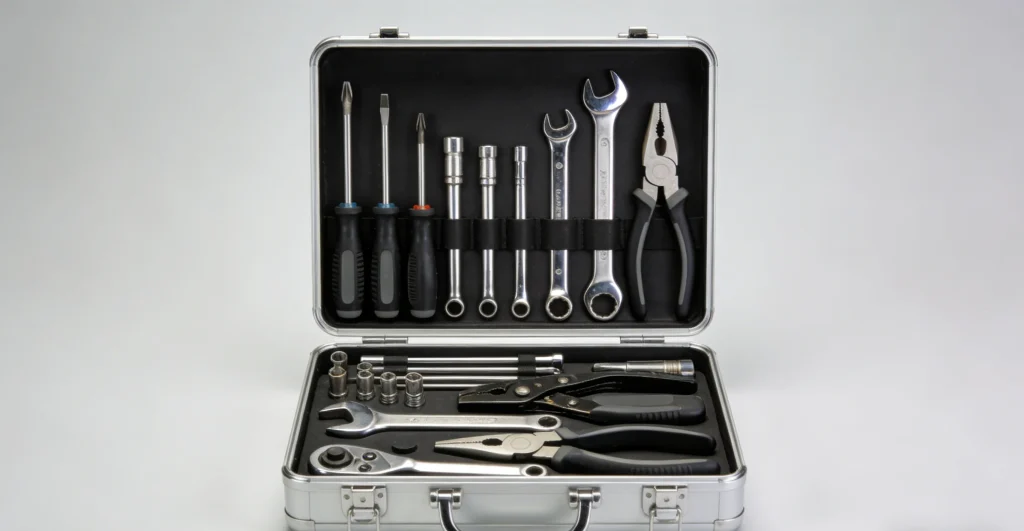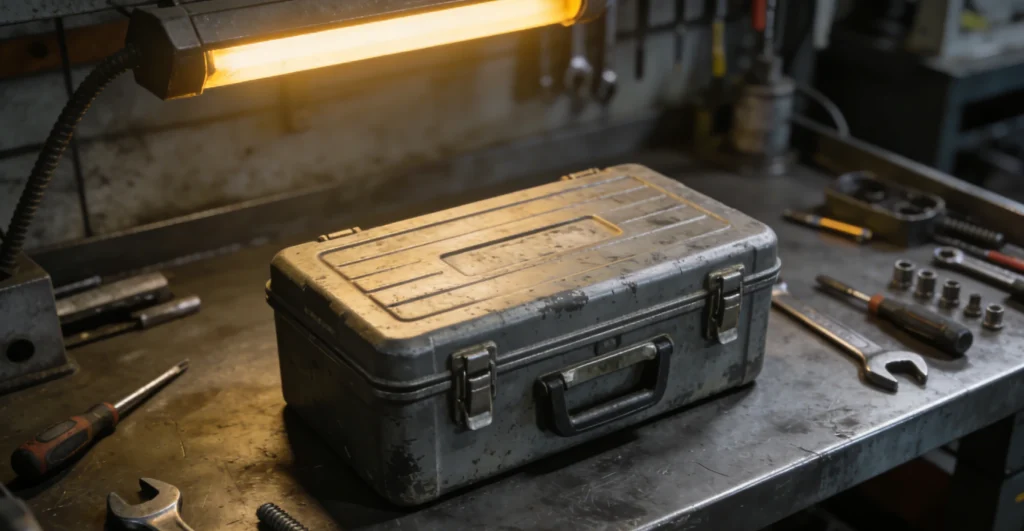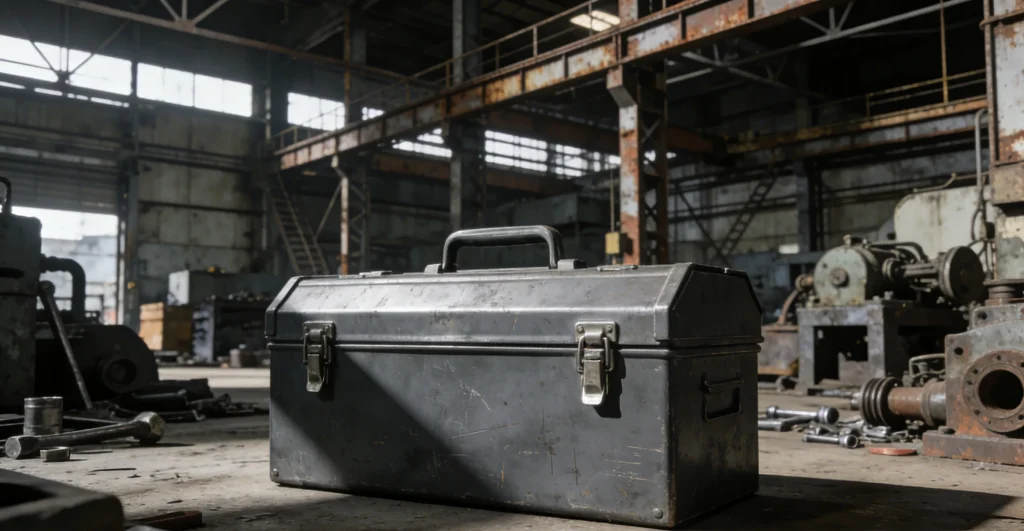
For many truck drivers, maintenance workers, and outdoor construction personnel, a truck tool box is almost an indispensable part of daily work. It is not only used to store common tools such as wrenches, electric drills, and socket sets, but also plays an important role in protecting equipment, preventing tool loss, and improving work efficiency. Especially in long-distance transportation, construction site work, or outdoor maintenance environments, a suitable truck tool box can make tool organization more orderly while reducing the impact of rain, dust, and collisions on tools.

Different types of trucks also have different requirements for tool boxes. For example, pickup trucks focus more on space utilization, while engineering transport vehicles place greater emphasis on load-bearing capacity. For drivers who frequently travel long distances, the anti-theft capability and weather resistance of the tool box are also very important. Therefore, when choosing a truck tool box, it is necessary to comprehensively consider the installation position, number of tools, vehicle space, and working environment, rather than simply focusing on appearance or blindly pursuing large capacity.
What Material Makes a Truck Tool Box More Durable?
Truck tool boxes are installed on the exterior of vehicles for long periods, so the material is extremely important.
Because during vehicle use, they are frequently exposed to:
- Sunlight and wind
- Rainwater corrosion
- Long-distance vibration
Dust and mudCurrently, the most common truck tool box materials mainly include aluminum alloy, steel, and engineering plastic. Among them, aluminum alloy tool boxes are currently one of the most widely used types because they balance weight and corrosion resistance. Compared with steel tool boxes, aluminum alloy is lighter and less likely to rust. When installed long-term in the truck bed or rear section of the vehicle, it does not add excessive burden to the vehicle. Steel tool boxes are stronger and provide higher load-bearing capacity, making them suitable for storing heavier tools. However, steel products are relatively heavy, and if the anti-rust surface treatment is poor, rust problems may occur after long-term outdoor use. Therefore, most truck tool boxes intended for long-term outdoor use usually prioritize aluminum alloy or reinforced steel structures.
Where Is the Most Convenient Place to Install a Tool Box?
The installation position of a truck tool box directly affects the efficiency of daily tool access. One common option is cross-bed installation behind the cab. This method does not occupy too much truck bed space while also making tools easier to access, and many pickup truck models use this design. If there are many types of tools, side-mounted tool boxes can be selected because they provide clearer organization and allow faster access to tools on-site. For engineering vehicles or large trucks, underbody-mounted tool boxes are more practical because they save cargo space while also being suitable for storing heavier tools. Different installation methods each have their own characteristics, so it is best to make a choice based on vehicle space and daily working habits.
Is a Larger Tool Box Always Better?
Many users believe:
“The larger the capacity, the more tools it can hold, so the more practical it is.”
However, truck tool boxes are not necessarily better when they are larger. If the tool box size is too large, problems such as the following may occur:
- Increased vehicle load
- Occupied truck bed space
- Tools shaking excessively inside
- Inconvenient tool access
Reduced installation stabilityTherefore, a truly suitable tool box emphasizes “reasonable capacity.”
For example:If it is only used for storing basic repair tools, a medium-sized tool box is already sufficient.For construction site work or equipment maintenance industries, larger-capacity structures can be selected.In addition to space size, the internal structure is equally important. Reasonable layered storage can improve organization efficiency.
What Are Common Tool Box Problems?
Will aluminum alloy tool boxes deform easily?
Under normal use, they generally will not. However, if subjected to severe impact, aluminum alloy is more likely to dent compared with steel.
Do truck tool boxes need waterproof capability?
It is recommended to choose products with basic waterproof performance because many tool boxes remain exposed to outdoor environments for long periods.
Are tool box latches important?
Very important. Latches not only affect anti-theft performance, but also determine whether the tool box remains securely closed during vehicle movement.
Will truck tool boxes affect fuel consumption?
If the tool box is too heavy or excessively large, it may indeed increase vehicle load, so blindly choosing oversized models is not recommended.
What Types of Truck Tool Boxes Are Suitable for Different Working Environments?
For example, ordinary pickup truck users who only need to store simple repair tools can already meet their needs with a lightweight aluminum alloy tool box. These products are not only lightweight, but also provide good rust resistance, making long-term outdoor maintenance more convenient. If the user is a construction worker who frequently stores electric drills, wrenches, and large hardware tools, then high-load-bearing steel tool boxes are more suitable. These products have more stable structures and can adapt to complex construction site environments. For long-distance transport drivers, the tool box not only needs storage functionality but also stronger anti-theft capability. Therefore, many people choose products with reinforced latches and sealed structures to reduce the risk of tool loss during transportation. For outdoor maintenance or equipment inspection personnel, tool boxes with layered structures and categorized storage designs are more practical because they allow workers to quickly locate the required tools and improve on-site work efficiency.
When choosing a truck tool box, the most important consideration is not simply appearance or capacity, but whether it matches the working environment and vehicle structure. Material strength, waterproof capability, installation position, load-bearing performance, and internal layout all directly affect the long-term user experience. An unsuitable tool box may quickly develop problems such as rust, deformation, or disorganized tools, which not only affects work efficiency but may also increase additional usage costs. Different vehicles and industries also have completely different requirements for tool boxes. Lightweight daily use is more suitable for lightweight tool boxes, while engineering construction or industrial maintenance environments require higher-strength and higher load-bearing structures. For people who frequently engage in long-distance transportation, stability and anti-theft capability are also extremely important. Therefore, before purchasing a truck tool box, it is best to first clarify your tool types, vehicle space, and actual working requirements, and then make a comprehensive selection based on material and structure. A truck tool box that truly suits your needs is not simply for storing tools, but can also make the entire working process more stable, convenient, and efficient.