In workshops, garages, repair sites, or home tool corners, once the number of tools increases, common problems quickly follow: inconvenient access, messy storage, and difficult transportation. Rolling toolboxes were created to solve these pain points. They combine storage, mobility, and categorized management, allowing tools not just to be “put inside,” but to move along with the workflow. For repair professionals, automotive users, and DIY enthusiasts who value efficiency and frequently change work locations, a rolling toolbox is no longer just a storage box, but a more efficient and flexible tool management solution.
Rolling Toolboxes Make Moving Easier
The most intuitive advantage of a rolling toolbox is that it turns “carrying tools” into “pushing tools.” In high-frequency usage scenarios, this design is extremely practical. It not only reduces physical strain but also makes the workflow more continuous.
Effortless Transport, Less Repetitive Labor
This function is especially obvious in daily maintenance and on-site work, because once a toolbox is fully loaded, its weight often exceeds the comfortable range of normal hand-carrying.
- The wheeled design can easily support heavier tools, so users do not need to repeatedly bend down and lift the box, reducing pressure on the arms and lower back.
- Even one person can move the toolbox, making it especially suitable for repair sites, storage environments, and larger work areas.
- For power tools, socket sets, and large accessories, rolling is more stable than hand-carrying, and it is also better suited for long-distance movement and frequent location changes.
A rolling toolbox can effectively reduce transportation pressure, making tool movement easier and helping users stay in better condition during long working hours.
Suitable for Multi-Location Use
This is what makes rolling toolboxes stand out in flexible work scenarios, because many tasks are not completed in just one fixed location.
- Moving from warehouse to workstation, or from garage to yard, becomes very convenient, allowing users to adjust the tool location according to the actual work area at any time.
- The design with locking wheels can also keep the toolbox fixed when needed, making it easy to move while maintaining stability during use.
- For mobile repair, on-site service, and temporary work, this stop-and-go feature is highly practical and can improve response speed on site.
Because of its strong mobility, a rolling toolbox can adapt to more working environments and better meet the needs of modern high-efficiency operations.
Rolling Toolboxes Make Storage More Organized
Many people choose rolling toolboxes not only because they can move, but also because they keep tools much more organized. A well-designed internal structure helps users classify tools quickly and makes tool management more standardized, preventing tools from becoming messy over time.
Layered Structure Makes Classification Easier
This design allows different tools to have suitable positions, making storage more logical and easier to keep tidy over time.
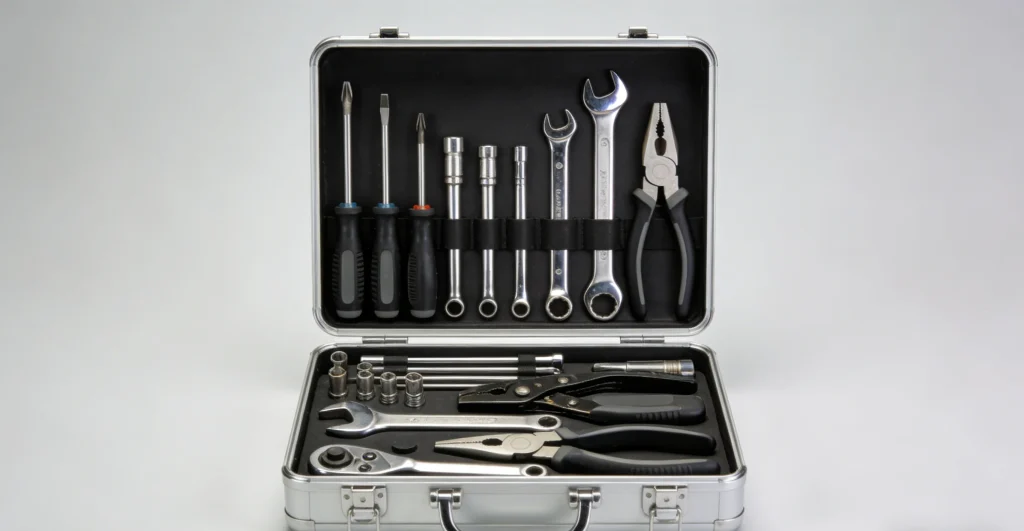
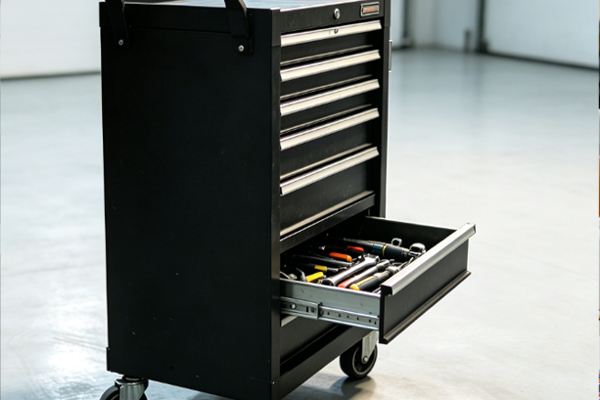
- Drawers, compartments, and top trays can store different types of tools separately, so large tools, small tools, and frequently used tools each have their own place.
- Screwdrivers, wrenches, pliers, bits, and other commonly used tools can be grouped by function for quick access.
- Small parts and consumables can also be managed separately, reducing the trouble caused by loss and mixed storage.
The layered structure not only improves storage efficiency, but also makes tool retrieval more intuitive, helping users save effort both when organizing and when using tools.
Frequently Used Tools Are Easy to Reach
For people who use tools frequently, one of the most practical advantages of a rolling toolbox is that commonly used tools are always within easy reach. The top platform, shallow drawers, or side storage areas can hold the screwdrivers, wrenches, pliers, and measuring tools used most often that day. Users do not need to repeatedly open multiple sections or bend down and search for a long time to find the needed accessory. This design not only shortens access time, but also makes it easier to put tools back in place, helping users maintain stable habits. Especially in fast-paced repair scenarios, easy access to tools means a more compact workflow and smoother operation.
Rolling Toolboxes Improve Work Efficiency
Good tool storage benefits the entire workflow. The value of a rolling toolbox is often reflected in every minute of use. It not only saves time, but also makes operations more continuous and reduces unnecessary interruptions.
Tools Move with the Workstation, Reducing Back-and-Forth Trips
This function can significantly improve on-site work experience, because many repair and assembly tasks require frequent switching between different positions.
- During repairs, the toolbox can be pushed directly next to the equipment, keeping tools within arm’s reach so there is no need to leave the work area just to get a tool.
- There is no need to go back and forth frequently between the tool cabinet and the work area, which saves a lot of small chunks of time and keeps the workflow tighter.
- For tasks that require continuity, the operation process becomes smoother, and users can stay more focused.
A rolling toolbox helps users spend more time on actual work instead of wasting it walking back and forth, which is one of the main reasons it is becoming increasingly popular in professional settings.
Protect Tools and Reduce Wear
This is equally important for people who use tools over the long term, because tools should not only be easy to use, but also stay in good condition as much as possible.
- Independent compartments reduce collisions and friction between tools, lowering surface wear.
- The structure is more stable, so tools are less likely to scatter during transport, making movement safer and more reassuring.
- Keeping tools neat can also extend their service life and reduce extra costs caused by damage, deformation, or loss.
Good protection not only makes tools more durable, but also reduces future maintenance and replacement costs, making it more practical in the long run.
Rolling Toolboxes Are Better for Long-Term Use
Compared with ordinary toolboxes, rolling toolboxes have greater advantages in expandability and durability, making them suitable for people who manage tools over the long term. They not only meet current needs, but can also be adjusted as the number of tools changes, which better matches real-life long-term use.
Stronger Expandability
This advantage makes them more suitable for long-term planning of a tool storage system, because the number of tools and usage habits often change over time.
- As the number of tools increases, more storage modules can be added without replacing the entire toolbox due to lack of space.
- The layout can be adjusted at different stages to adapt to new usage habits, keeping tool management flexible at all times.
- There is no need to frequently replace the entire toolbox, which is more cost-effective in the long run and better suited for users who care about budget control.
A rolling toolbox is not only a practical choice for now, but also a more scalable storage solution that can grow with the user over time.
Wider Range of Applications
Rolling toolboxes can adapt to many different environments. Whether in auto repair, factories, equipment maintenance, or home DIY, they can provide excellent storage and mobility. They are especially suitable for users who need to move tools frequently while still keeping them clearly categorized, making tool management easier and better suited to real needs in different scenarios.
The reason rolling toolboxes are becoming more and more popular is that they solve four problems at once: mobility, classification, efficiency, and long-term expansion. For people who work with tools regularly, they not only make storage easier, but also make work smoother and more professional. If you are looking for a more practical tool storage solution, the rolling toolboxes offered by SIPHIA BOX are worth exploring.