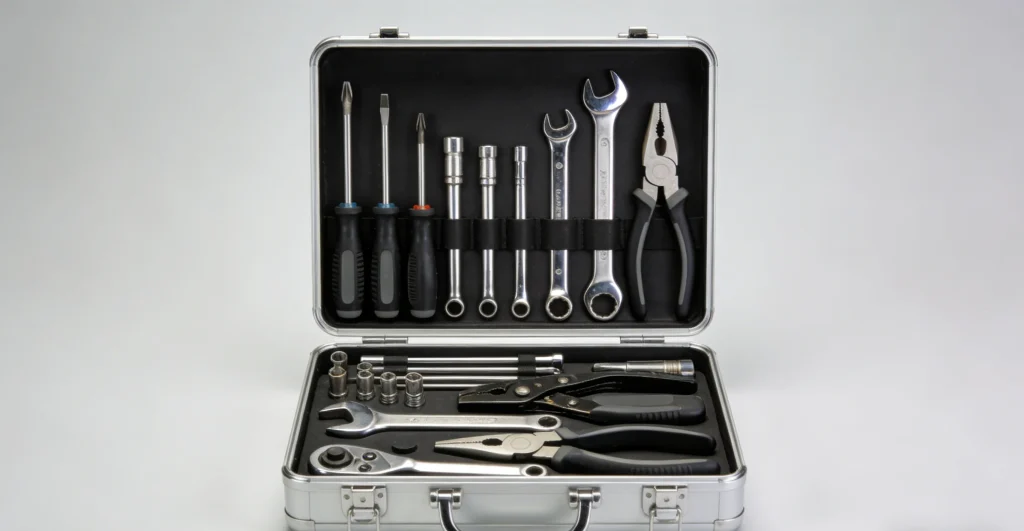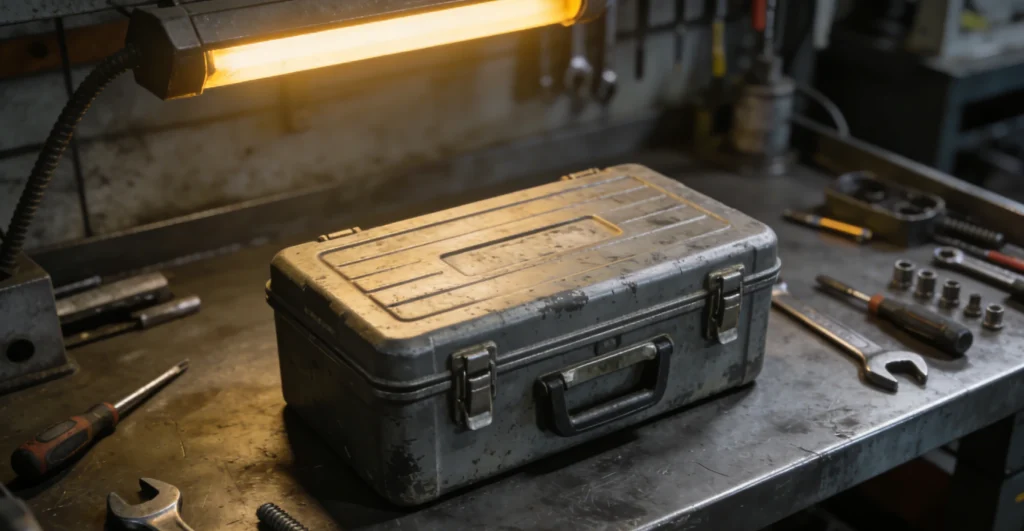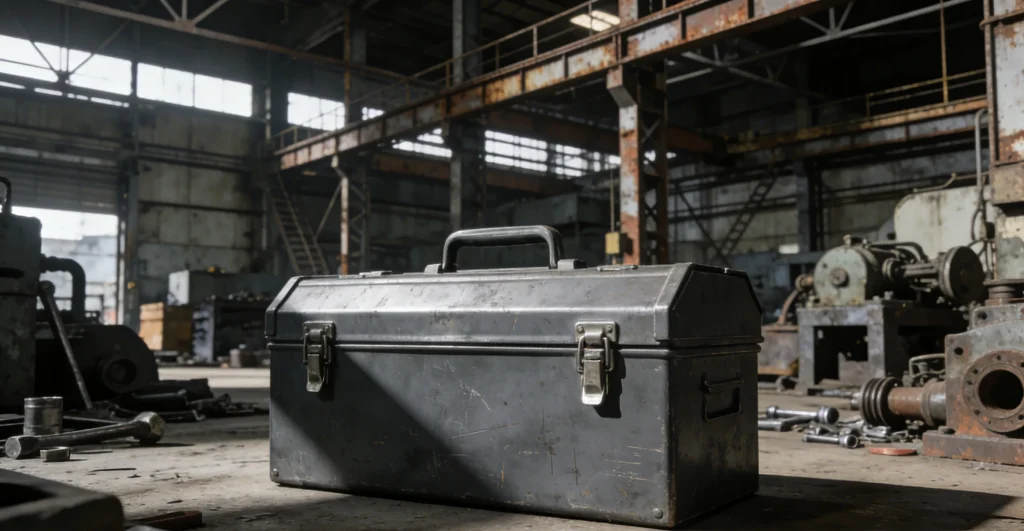
Musical instruments are frequently exposed to rain, humidity, dust, and accidental impacts during transportation and storage. A high-quality waterproof instrument case not only shields valuable instruments from environmental hazards but also helps extend their service life while preserving their appearance and performance. The waterproof capability of an instrument case depends largely on the materials used in its construction as well as its overall structural design. Today, manufacturers offer waterproof instrument cases made from a variety of materials, each with unique characteristics and suitable applications. Understanding the advantages of these materials allows musicians, collectors, and instrument owners to select the most appropriate case for their specific needs, ensuring reliable protection during storage, travel, rehearsals, and performances.
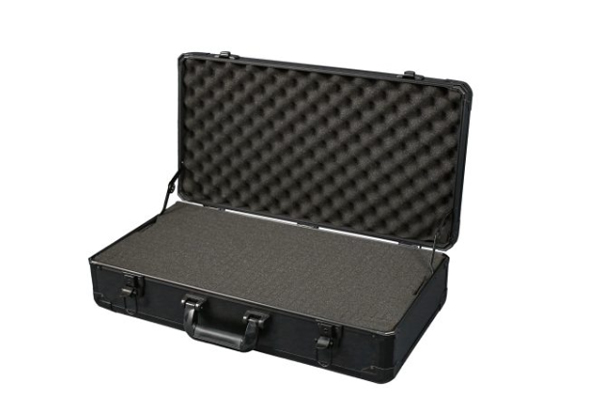
Outer Shell Materials Determine the Foundation of Protection
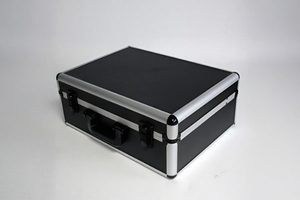
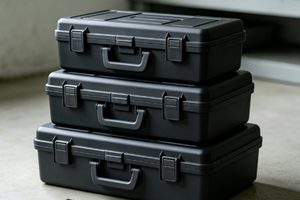
The outer shell is the primary barrier that protects an instrument from external moisture, impacts, and everyday wear. It also plays a major role in determining the durability and longevity of the case. Common shell materials include ABS plastic, polycarbonate, fiberglass, and advanced composite materials. ABS plastic offers excellent impact resistance and cost-effective performance, making it suitable for everyday use. Polycarbonate provides impressive strength while remaining lightweight, making it an ideal choice for musicians who travel frequently. Fiberglass delivers superior structural rigidity and excellent protection during long-distance transportation and professional touring. Composite materials combine the strengths of multiple materials, providing outstanding waterproof performance, durability, and impact resistance. Selecting the appropriate shell material helps create a stable protective environment that keeps valuable instruments safe under a wide variety of conditions.
How to Choose the Right Waterproof Material
In addition to the outer shell, the waterproof characteristics of individual materials significantly influence the overall protective performance of an instrument case. Selecting materials that match the intended application ensures better long-term reliability and user satisfaction.
Common material options include:
- ABS Plastic: Provides reliable impact resistance, waterproof performance, and excellent durability for everyday transportation.
- Polycarbonate (PC): Lightweight yet highly resistant to pressure, making it suitable for musicians who require both portability and protection.
- Fiberglass: Offers exceptional structural strength and long-term durability, making it a preferred choice for professional performers and touring musicians.
- EVA Composite Material: Combines flexibility with excellent cushioning performance, helping reduce vibration and absorb impacts during transportation.
When selecting materials, buyers should consider the value of the instrument, transportation frequency, storage conditions, and budget. High-quality materials improve overall protection while extending the service life of the instrument case.
Sealing Systems and Interior Materials Are Equally Important
An effective waterproof instrument case depends not only on its outer shell but also on its sealing system and interior construction. Premium cases often feature precision-engineered sealing strips or tightly fitted closures around the edges to minimize the entry of rainwater, humidity, and dust. These sealing systems help maintain a cleaner and more stable internal environment for delicate musical instruments.
Inside the case, high-density foam, EVA cushioning, and soft velvet linings work together to secure the instrument while absorbing shocks generated during transportation. These materials reduce movement inside the case, preventing scratches, vibration, and accidental impacts. For delicate instruments such as guitars, violins, saxophones, and other precision equipment, properly designed interior padding significantly improves protection while enhancing the overall user experience.
Different Applications Require Different Material Combinations
Not every musician uses an instrument case under the same conditions. Selecting the right combination of materials according to the intended application helps maximize protection while improving long-term value.
Recommended material combinations include:
- Students and everyday practice: ABS outer shells combined with EVA padding provide an excellent balance of affordability and protection.
- Professional musicians: Polycarbonate or fiberglass construction offers greater durability and enhanced protection during frequent travel.
- Long-distance transportation and shipping: High-strength composite materials with reinforced sealing systems provide maximum environmental and impact protection.
- Instrument collectors and long-term storage: Moisture-resistant materials with premium interior cushioning create a stable environment for preserving valuable instruments.
Matching material selection with actual usage requirements helps improve protective performance while ensuring that the instrument case remains practical and reliable in everyday situations.
Premium Materials Increase the Long-Term Value of Waterproof Instrument Cases
A waterproof instrument case is designed to provide dependable protection for many years, making material quality one of the most important factors in purchasing decisions. Premium materials offer excellent waterproof performance while also resisting wear, aging, impacts, and repeated handling. Even after years of regular transportation, high-quality cases maintain their structural integrity and protective capabilities. Durable hardware, corrosion-resistant latches, reinforced hinges, and strong connection points further improve reliability while reducing maintenance requirements.
As more musicians invest in expensive instruments and professional equipment, material quality has become an increasingly important consideration when selecting an instrument case. Choosing a waterproof case made from reliable materials not only improves protection against environmental hazards but also enhances convenience during travel, storage, rehearsals, and performances. A well-designed waterproof instrument case provides lasting value by keeping musical instruments safe, secure, and ready to perform under a wide variety of conditions.