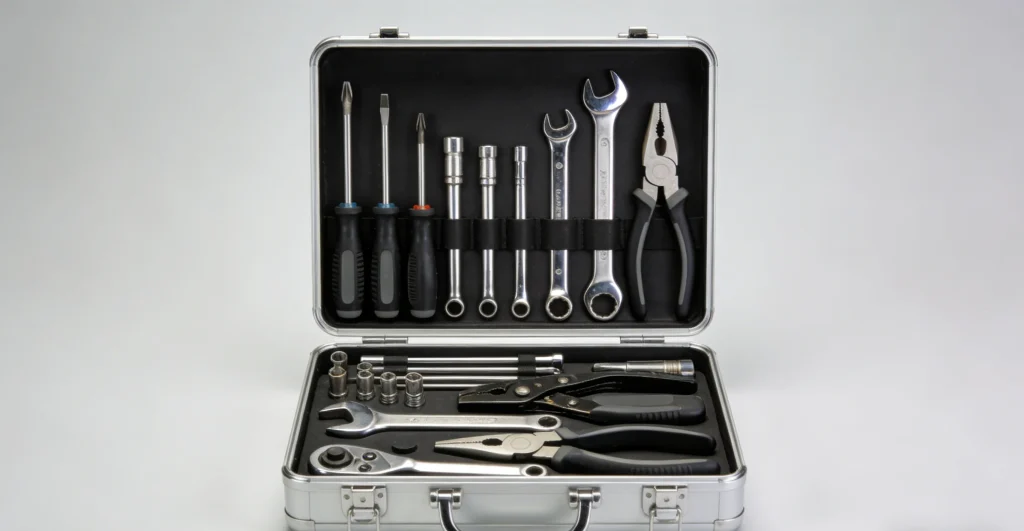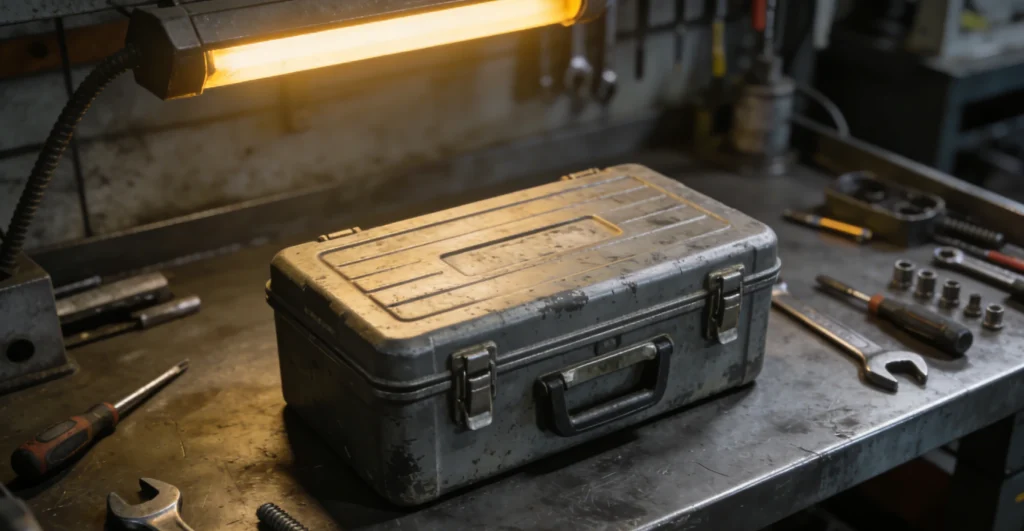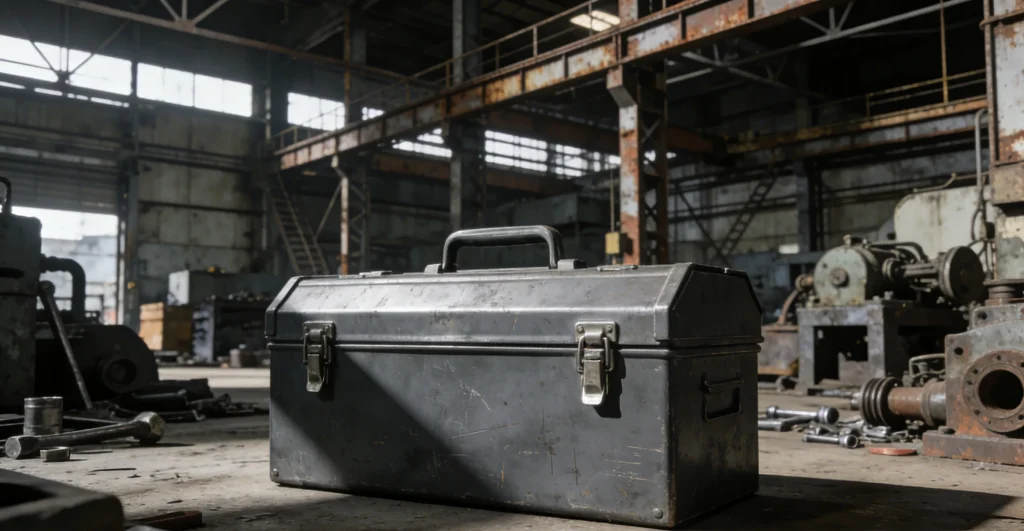
Portable tool boxes are widely used in daily repairs, equipment maintenance, outdoor operations, and industrial production. As an important connecting component of a tool box, the latch mainly secures the box lid, prevents tools from falling out, and also affects the service life of the tool box. When the tool box has been used for a long time, or is affected by frequent opening and closing, impacts, overloading, and other conditions, the latch may experience problems such as breakage, loosening, or failure to lock properly. Many users believe that they need to replace the entire tool box after the latch is damaged, but most latch problems can be solved through simple repairs or replacement parts.
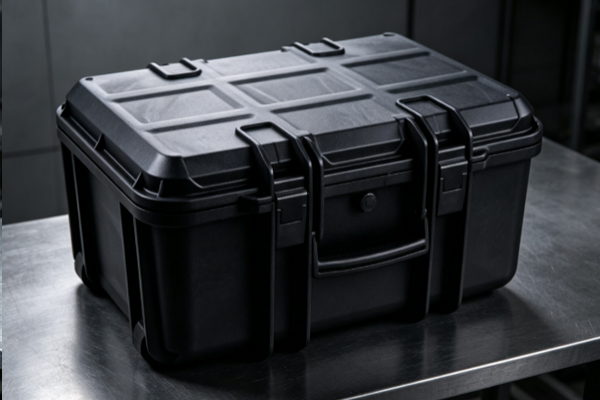
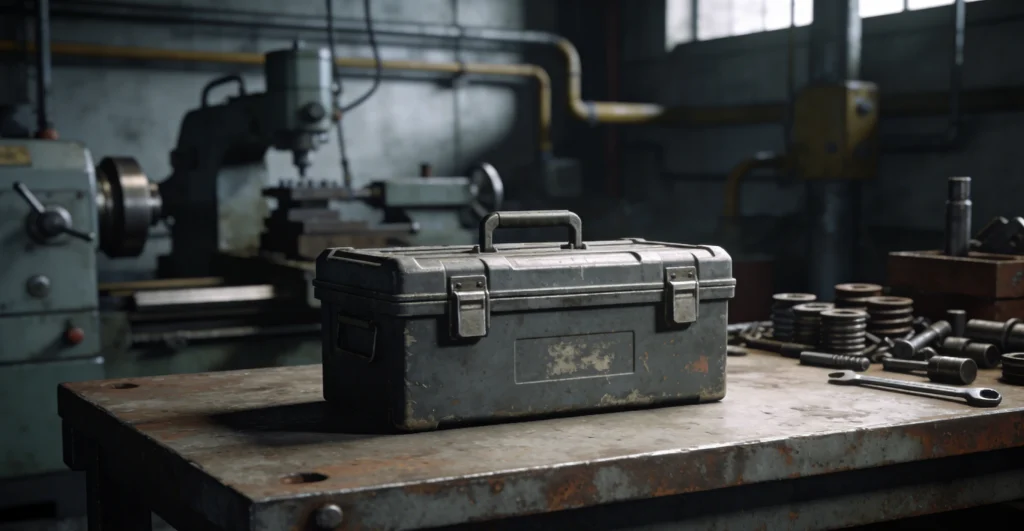
Although the tool box latch is small in size, it plays an important role in maintaining the structure of the box. If the latch is only loose, has reduced elasticity, or has a loose screw, it can often be restored through adjustment and reinforcement. If the latch is completely broken, a new latch assembly needs to be installed. During the repair process, the extent of damage should first be determined, and then an appropriate solution should be selected to avoid further damage caused by improper repair methods. Understanding common repair methods can not only reduce the cost of replacing tool boxes but also extend the actual service life of the tool box. Different types of portable tool boxes use different latch structures, such as plastic latches, metal clasps, and spring locks. Lightweight tool boxes usually use plastic latches because they are lighter and easier to install, while mechanical maintenance tool boxes or outdoor tool boxes often use metal latches with stronger load-bearing capacity. Therefore, during repair, the tool box material and latch type should be considered to ensure the reliability and safety of the repair.
Check the Latch Damage and Determine the Repair Method
Loose latches can be reinforced
When a portable tool box latch becomes loose, it does not necessarily mean that the latch itself is damaged. In some cases, the problem is caused by loose fixing screws after long-term use or slight displacement of the latch installation position, which prevents the lid from closing properly. In this situation, the connection area of the latch should first be checked. If the latch uses a screw-fixed structure, a screwdriver can be used to tighten the screws again while checking whether the screw holes have become enlarged. If the screw holes have become loose, adding washers or replacing them with slightly larger fixing screws can improve connection stability. For metal latches, the bent position of the latch can also be adjusted slightly so that it matches the box body again. However, excessive force should be avoided during adjustment, as it may cause metal fatigue and lead to another breakage.
Broken latches require replacement parts
If the tool box latch has cracks, is broken, or has completely lost its locking function, simple adjustments usually cannot restore normal use. In this case, replacing the latch with a new one is a more suitable solution. When replacing a latch, attention should be paid to the size, mounting hole distance, and material of the new latch. Different brands of tool boxes may use different latch specifications. If the size does not match, the box may fail to close properly or the latch may not be securely fixed after installation. When purchasing replacement parts, the original latch can be removed and used as a reference to select the same model. If an identical latch cannot be found, a universal metal clasp can also be selected and installed by creating new mounting holes.
What Should Be Considered When Repairing a Tool Box Latch?
Choose suitable repair materials
The repair effect of a tool box latch is closely related to the materials used. For ordinary household tool boxes, high-quality plastic latches or small metal fasteners can be selected. If the tool box is used for equipment maintenance or carrying heavier tools, stainless steel or reinforced metal latches are recommended. Some low-quality latches may be cheaper, but they are more likely to break again after repeated opening and closing. Therefore, when replacing a latch, users should not only consider the price but also evaluate the load capacity and working environment of the latch.
Keep the installation position accurate
If the latch installation position is inaccurate, even a high-quality latch may affect the normal closing of the tool box. When installing a new latch, the original latch position should first be measured to confirm the distance between the fixing holes. If new holes need to be drilled, avoid damaging the main structure of the tool box. When drilling holes in plastic boxes, do not use oversized drill bits to prevent cracks. When installing on metal boxes, make sure the screws are firmly tightened to prevent movement during use.
What Problems Can Simple Repairs Solve?
Loose or missing screws
If the latch problem is only caused by missing screws, reinstalling the screws and checking whether the latch moves properly may solve the issue. For working environments with frequent vibration, anti-loosening screws can be used to reduce future loosening problems.
Reduced latch elasticity
Some metal latches may lose clamping force after long-term use. Users can try adjusting the latch position or replacing the internal spring piece. If the spring piece has already deformed, continued use may cause the box lid to fail to stay closed.
Minor cracks in plastic latches
When a plastic latch develops small cracks, special adhesive can be used as a temporary repair method, but this is only suitable for lightweight tool boxes. If the tool box needs to carry heavier tools, replacing the latch directly is recommended to prevent the box from suddenly opening during transportation.
Frequently Asked Questions
Q: Can a portable tool box still be used after the latch is broken?
A: It depends on the extent of the damage. If the latch is only slightly loose and can still secure the lid, the tool box can continue to be used after repair. If the latch is broken and the tool box cannot close properly, continued use is not recommended because tools may fall out during transportation.
Q: Can I replace the tool box latch myself?
A: Most portable tool box latches can be replaced by users themselves. Ordinary latches usually only require a screwdriver, drilling tools, and a new latch component for installation. However, if the tool box uses a special structure, it is recommended to use original manufacturer parts.
Q: Does repairing a latch require replacing the entire tool box?
A: Generally, it is not necessary. The latch is a common wear part of a tool box, and in many cases, replacing a new latch can restore normal use. Only when the box body has serious damage, deformation, or damaged connection areas should the entire tool box be considered for replacement.
A broken latch on a portable tool box does not mean the entire tool box needs to be replaced immediately. Users should first check whether the latch problem is caused by looseness, deformation, or breakage, and then choose the appropriate solution. Simple problems such as loose screws or shifted positions can be solved through re-tightening and adjustment. If the latch is damaged, replacing it with a suitable new latch is a more reliable option. During daily use, attention should also be paid to how the tool box is stored and handled. Avoid placing heavy equipment inside the tool box beyond its load capacity for long periods, avoid using excessive force when opening or closing the lid, and regularly inspect the latch and connection areas to reduce the possibility of sudden damage. A high-quality tool box depends not only on the box material but also on detailed components such as latches, hinges, and handles, which all affect the user experience. When a latch problem occurs, timely repair and replacement of parts can help the tool box maintain reliable fastening performance and continue meeting the needs of repair work, construction operations, and daily tool transportation.