
In the daily operation of private clinics, it is necessary to manage various medical supplies such as medicines, nursing products, examination consumables, and first-aid materials. As the number of diagnostic and treatment services continues to increase, traditional random storage methods can easily lead to classification confusion, low retrieval efficiency, and difficulties in inventory checking, which may affect the smoothness of clinical workflows. A scientific medical supplies management solution, through professional storage toolboxes, modular partitioning, and standardized storage methods, makes clinic material management clearer, improves the efficiency of medical staff, and helps clinics create a clean and safe medical environment.
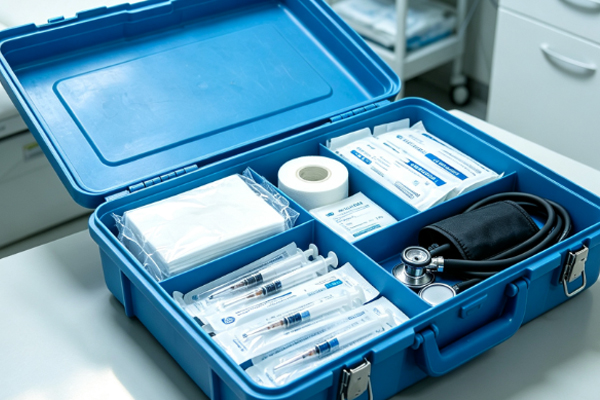
Increasing Demand for Medical Supplies Management in Private Clinics
Private clinics have limited space but a wide variety of medical supplies, requiring more reasonable management methods to meet daily usage needs.
Improving Medical Supplies Retrieval Efficiency
During diagnosis and treatment, medical staff need to quickly locate the required supplies, and proper classification can reduce search time.
- Centralized management of commonly used items: Frequently used items such as cotton swabs, gauze, disinfectants, and disposable gloves are stored together to facilitate daily nursing operations.
- Zoning of different supplies: Areas are divided according to categories such as medicines, nursing supplies, and examination consumables to avoid mixing different types of items.
- Clear storage locations: Fixed storage positions for medical supplies help staff quickly become familiar with the layout and improve preparation efficiency.
A clear storage method can optimize clinic workflows and make medical supplies management more stable.
Reducing Inventory Management Difficulty
Private clinics need to regularly check the quantity of medical supplies, and proper management can reduce material waste.
| Management Dimension | Function | Practical Effect |
| Inventory counting | Clear zoning allows quick checking of stock levels | Improves counting efficiency and reduces omissions |
| Loss prevention | Independent categorized storage prevents mixing of consumables | Reduces the risk of small item loss |
| Procurement replenishment | Clear inventory status enables timely restocking | Ensures continuous supply of medical materials |
| Usage tracking | Standardized storage helps record consumption | Optimizes long-term material management |
Standardized management helps clinics improve the efficiency of medical supplies usage.
How to Design a Private Clinic Medical Supplies Storage Solution
Different clinic sizes and service types vary, requiring tailored storage planning based on actual needs.
Classification and Zoning Design: Building a Clear Management System
Proper classification is the foundation of medical supplies management. The medicine storage area separates commonly used medicines from backup medicines based on usage, enabling quick access and organization. The nursing supplies area centralizes gauze, cotton swabs, tape, and protective items to improve convenience in nursing operations. The examination consumables area independently stores blood collection supplies, testing tools, and disposable consumables to reduce retrieval time during use. The emergency supplies area centralizes first-aid kits, hemostatic materials, and emergency tools to improve response efficiency in urgent situations. Through scientific zoning design, internal material management in clinics becomes more intuitive and organized.
Modular Medical Toolboxes: Adapting to Changing Clinic Needs
Private clinic operations may adjust according to patient demand, making flexible storage solutions more suitable for long-term use.
- Flexible space adjustment: Modular structures allow internal layouts to be adjusted based on material quantity, improving space utilization.
- Expandable capacity: When new medical supplies are added, storage needs can be met through additional modules.
- Convenient area management: Different departments or treatment areas can be equipped with corresponding storage modules to improve management efficiency.
Modular design makes medical supplies management more flexible and suitable for different types of clinics.
Different Clinic Scenarios Require Different Management Solutions
Different types of clinics have different priorities in medical supplies management, requiring matching storage solutions.
General Clinics: Focus on Comprehensive Classification Management
General clinical settings involve a wide variety of supplies and require a well-developed storage system. By centralized multi-category management, medicines, nursing supplies, and examination tools are stored separately to improve overall management efficiency. At the same time, additional storage space is added, and backup areas are properly planned to meet daily consumption needs. Workflow optimization also allows staff to quickly access supplies and reduce waiting time, making systematic medical supplies management essential for general clinics.
Specialty Clinics: Emphasizing Professional Supplies Management
Specialty clinics usually focus on specific treatment areas and require targeted storage configurations.
- Independent storage of dedicated consumables: Supplies are managed according to treatment projects to improve usability.
- Priority management of frequently used items: Commonly used consumables are placed in easily accessible locations to improve efficiency.
- Enhanced hygiene management: Proper storage reduces exposure of supplies and improves environmental cleanliness.
Professional storage methods can meet the daily operational needs of specialty clinics.
Long-Term Value of Private Clinic Medical Supplies Management Solutions
A well-developed medical supplies storage system not only improves daily management but also helps clinics establish more standardized operational models.
Improving Clinic Management Level
A unified storage method enhances the standardization of medical supplies management.
- Establishing fixed management procedures: Medical staff store and retrieve supplies in a unified manner, reducing management inconsistencies.
- Facilitating daily inspection: A clear layout makes it easier to check material status and improves maintenance efficiency.
- Improving clinical environment: A clean and organized storage space enhances patients’ perception of professionalism.
Standardized management helps private clinics improve overall service experience.
Extending the Service Life of Storage Equipment
Medical storage toolboxes must meet long-term usage requirements.
- Durable structural design: High-quality materials adapt to frequent use in clinics and improve equipment stability.
- Easy cleaning and maintenance: Reasonable structure facilitates daily organization and keeps the interior clean.
- Reducing long-term investment: High-quality storage equipment reduces the need for frequent replacement and increases value.
Reliable medical storage solutions provide continuous support for clinic operations.
Private clinic medical supplies management solutions, through categorized storage, modular design, and professional toolbox structures, effectively address issues such as disorganized placement, difficulty in retrieval, and low inventory management efficiency. Proper storage planning not only improves the efficiency of medical staff but also helps clinics create a safe, clean, and standardized clinical environment. SIPHIA BOX provides professional medical supplies storage solutions, offering flexible designs to meet the management needs of different clinics and helping medical institutions achieve more efficient material management.