Instrument cases are important accessories for protecting, carrying, and transporting musical instruments. Different materials and structural designs directly affect the weight, durability, shock resistance, and service life of an instrument case. The market offers various types of cases, ranging from lightweight soft-shell and hybrid designs to high-strength hard cases intended for professional transportation. The interior can also be customized according to the shape of guitars, violins, saxophones, and other instruments. When choosing an instrument case, appearance should not be the only consideration. Material properties, case construction, interior padding, and the intended environment should also be evaluated. Understanding common instrument case materials and structures makes it easier to select a suitable protective solution based on instrument value, carrying frequency, and transportation conditions.
ABS Plastic and Polycarbonate Hard-Shell Structures
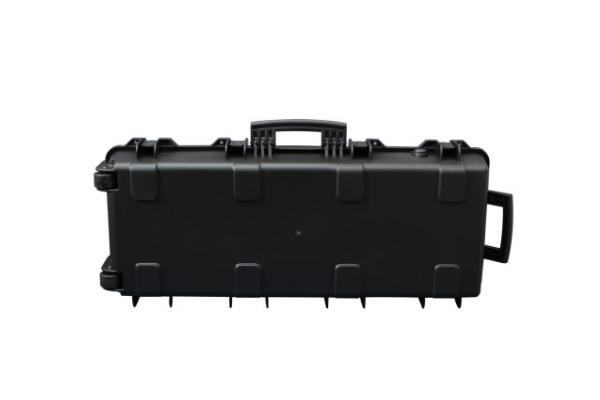
ABS plastic and polycarbonate are among the most common materials used for hard-shell instrument cases. ABS provides good impact resistance, wear resistance, and processing performance. It can be molded into stable case shapes while maintaining a practical balance between protection and production cost. Polycarbonate offers excellent toughness and impact resistance. It can provide strong protection while helping reduce unnecessary weight, making it suitable for musicians who frequently travel, perform, or transport their instruments. Hard-shell cases generally use an upper-and-lower shell structure connected with hinges and locks. When closed, the two sections create a relatively independent protective space. Some products also feature reinforced ribs or protective corner guards to distribute external impact forces more effectively. These structures are suitable for guitars, violins, electronic instruments, and other products that require strong external protection.
Wood, Fiberglass, and Composite Material Structures
In addition to plastic hard shells, wood, fiberglass, and composite materials are also widely used in instrument case manufacturing. Wooden instrument cases provide good structural rigidity and a traditional appearance. Some premium models use multiple layers of wood panels combined with reinforced frames to improve overall load-bearing performance. Fiberglass offers excellent strength and impact resistance while forming a durable outer shell, making it suitable for professional musicians and frequent transportation. Composite materials can combine the properties of different materials according to the intended product application, achieving a suitable balance between weight, strength, and durability. For instrument cases used during long-distance transportation or frequent handling, the way different materials are combined is also important. Stable frames, reinforced layers, and secure connection structures can further improve pressure resistance and overall durability.
Interior Foam, EVA, and Customized Support Structures
The interior structure of an instrument case directly affects how securely an instrument remains positioned after it is placed inside. Unlike ordinary storage boxes, professional instrument cases need dedicated compartments designed according to the shape of the instrument. The body, neck, bridge, keys, and other components require appropriate support. EVA foam, high-density foam, and soft interior linings are commonly used as internal materials. They absorb part of the vibration while reducing direct contact between the instrument and the hard case shell. Interior compartments can also be custom-cut to closely match the shape of the instrument.
Common interior structures include:
- Full-coverage foam padding: Provides continuous support and is suitable for everyday carrying and transportation.
- Partitioned fixing structures: Create separate areas for the instrument body, neck, and accessories to reduce contact and collision.
- Reinforced local support: Adds extra protection around sensitive areas such as bridges, necks, or precision keys.
- Accessory storage compartments: Provide dedicated spaces for strings, tuners, bows, and other accessories, improving convenience.
A properly designed interior structure reduces instrument movement while improving storage efficiency, allowing protection and organization to work together effectively.
Waterproof Sealing, Reinforced Frames, and Hardware Structures
The structure of an instrument case is not limited to its shell and interior padding. Sealing systems, frames, and hardware components also have a significant impact on practical performance. For users who participate in outdoor performances or frequently transport their instruments over long distances, large gaps between the lid and case body may allow moisture and dust to enter. Professional instrument cases may therefore use sealing gaskets combined with multiple locks to create a more secure closure. The edges can be reinforced with aluminum alloy or high-strength plastic to improve pressure and impact resistance. Hinges, handles, locks, and shoulder-strap connection points must withstand mechanical loads caused by frequent opening, closing, and carrying, so they need good wear resistance and load-bearing capacity. A stable hardware system allows the case shell, sealing structure, and interior padding to function as a complete protective system, making it particularly suitable for performance groups, music schools, and instrument retailers that frequently move equipment.
How to Choose Materials and Structures According to Usage Requirements
Different users have different requirements for instrument cases, so the selection should be based on actual carrying frequency, instrument type, transportation method, and storage environment. Students who carry instruments to classes every day may prefer lightweight cases with good internal cushioning for easier transportation. Professional musicians who frequently travel by different forms of transportation may benefit from high-strength hard shells, stable interior padding, and reliable locking systems. Logistics transportation and air travel require greater attention to pressure resistance, shock absorption, sealing performance, and reinforced corner structures. Valuable instruments also require careful consideration of interior support and material durability. Properly matching materials and structural designs allows users to achieve a suitable balance between protection, weight, portability, and purchasing cost. For instrument case and toolbox manufacturers, combinations of different materials, modular interior padding, and customized structures can also support bulk purchasing, branded customization, and transportation requirements for specialized instruments.