
Laboratories use a wide range of instruments, including analytical instruments, testing equipment, electronic testing devices, sampling equipment, and various laboratory accessories. Many of these devices are relatively expensive and require proper protection against shock, dust, and improper storage. If instruments are left unorganized or transported without adequate protection, they may suffer physical damage or even experience performance issues. A well-designed laboratory instrument toolbox solution can improve equipment management while making instrument transportation and on-site use more convenient.
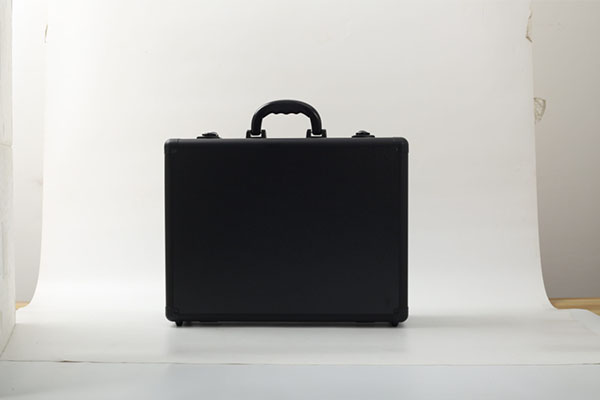
Why Do Laboratories Need Professional Instrument Toolboxes?
Reducing Damage During Handling
Laboratory instruments may contain precision sensors, electronic components, optical parts, and mechanical structures that are sensitive to external impact. Ordinary cardboard boxes or basic storage containers often cannot provide sufficient fixing and cushioning.
Professional instrument toolboxes can be designed according to the dimensions of the equipment. Customized foam inserts, dividers, and fixing structures can keep instruments securely positioned inside the case and reduce movement and collision during handling.
Organizing Instruments and Accessories
A laboratory instrument is often supplied with probes, power cables, connection wires, adapters, and other dedicated accessories. When these accessories are stored together without organization, they can be difficult to find and may even become lost.
With compartmentalized storage, the main instrument, cables, and small accessories can be placed in separate areas. This keeps the toolbox organized and allows laboratory personnel to access equipment more quickly.
Key Design Considerations for Laboratory Instrument Toolboxes
Designing the Internal Structure According to Instrument Dimensions
Laboratory equipment comes in many different shapes and sizes, so there is no universal toolbox design. The length, width, height, and connector positions of the actual equipment should be considered when designing the internal structure.
For smaller devices, dedicated compartments can be added. For larger instruments, greater attention should be paid to load-bearing capacity and secure positioning.
Enhancing Shock and Cushioning Protection
Laboratory instruments may experience vehicle vibration, bumps, and accidental impacts during transportation. Internal cushioning materials can help absorb external forces and reduce their impact on sensitive equipment.
For high-precision instruments, multi-layer foam structures or dedicated fixing systems can be used to provide additional protection.
Considering Dust and Moisture Protection
Although laboratory environments are generally controlled, instruments may be exposed to dust and moisture when transported between locations or used for outdoor experiments. Therefore, the sealing performance of the toolbox should also be considered.
For equipment with higher environmental protection requirements, cases with appropriate sealing capabilities can help reduce the entry of external dust and moisture.
Laboratory Instrument Toolbox Solutions for Different Equipment
Different laboratory instruments have different storage requirements, so toolbox designs should be adapted to the equipment rather than using a single standard structure.
| Instrument Type | Common Equipment | Key Toolbox Features |
| Analytical Instruments | Analytical equipment, testing instruments | Shock protection, customized inserts |
| Electronic Instruments | Oscilloscopes, signal testing equipment | Secure fixing, collision protection |
| Optical Instruments | Spectrometers, optical equipment | Cushioning, dust protection |
| Sampling Equipment | Samplers, testing equipment | Compartmentalized storage, moisture protection |
| Laboratory Accessories | Probes, cables, adapters | Organized storage, quick access |
Application Scenarios for Laboratory Instrument Toolboxes
Laboratory Equipment Management
For instruments that need to be moved frequently, a professional toolbox can serve as a dedicated storage solution. After completing a test, laboratory personnel can return the instrument and its accessories to the toolbox, reducing clutter on laboratory workbenches.
Transportation Between Laboratories
Research institutions and corporate laboratories may need to share testing equipment between different locations. A toolbox with cushioning and fixing structures can keep equipment more stable during transportation and reduce the risk of damage.
Field Testing and Scientific Sampling
Some laboratory projects require instruments to be taken to factories, construction sites, or outdoor locations. In these situations, the toolbox needs to provide more than basic storage. Portability, durability, and environmental protection are also important considerations.
How to Choose a Laboratory Instrument Toolbox
Select the Toolbox According to Instrument Weight
Heavy laboratory equipment requires a stronger case structure and adequate load-bearing capacity. When choosing a toolbox, consider the case strength, handle design, and transportation method to ensure reliable performance during repeated handling.
Plan the Internal Space According to the Number of Accessories
If an instrument has numerous accessories, the internal storage space should be planned in advance. Proper compartment design can reduce cable tangling and prevent small components from being mixed together, making equipment inspection and inventory easier.
Consider Portability Based on Usage Frequency
Equipment that is frequently transported may benefit from comfortable handles or rolling structures. For instruments mainly stored in a fixed laboratory location, greater emphasis can be placed on internal capacity and protection.
Advantages of Customized Laboratory Instrument Toolboxes
Standard toolboxes can meet the storage needs of some common devices, but customized solutions are often more suitable for instruments with unusual dimensions, numerous accessories, or high value.
By customizing the case dimensions, foam inserts, compartments, and fixing structures, the toolbox can fit the actual shape of the equipment more accurately. Additional features such as label areas, accessory compartments, and dedicated storage sections can also be incorporated according to laboratory requirements.
A laboratory instrument toolbox is more than a simple storage container. It is an important part of laboratory equipment management and transportation protection. Through proper internal organization, shock cushioning, dust and moisture protection, and portable designs, laboratories can improve the safety and efficiency of instrument storage and transportation.
For laboratories, research institutions, testing centers, and companies that frequently move equipment, selecting the right laboratory instrument toolbox solution based on instrument type, dimensions, weight, and working environment can make equipment management more organized while providing greater convenience for daily experiments and field testing.