
In basic working scenarios such as mechanical processing, equipment maintenance, automotive repair, and construction operations, the way tools are managed directly affects work efficiency and safety levels. A standardized and systematic basic mechanical work tool box solution is not just a “box for storing tools,” but a complete management system built around tool usage, workflow, and environmental requirements. It typically includes large tool boxes, tool cabinets, mobile tool carts, and protective instrument tool cases, aiming to optimize the entire process from storage to operation.
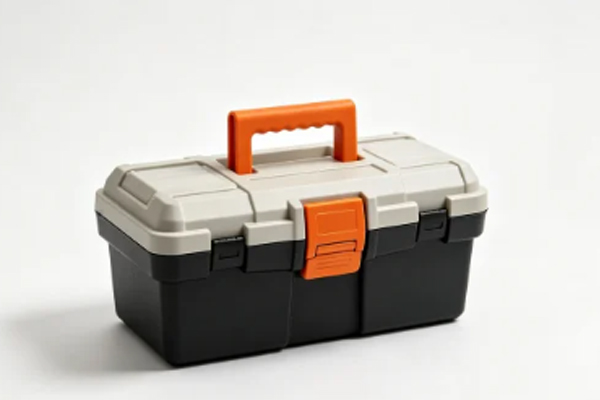
What is a Basic Mechanical Work Tool Box Solution?
A basic mechanical work tool box solution is essentially a “systematic tool management method” designed for basic mechanical working environments. It emphasizes not only storage but also “how tools are used more efficiently.” In traditional workshops, tools are often scattered—for example, wrenches, socket sets, measuring instruments, and fasteners may be placed randomly. This leads to three core problems: longer search time, higher tool damage rate, and lack of standardized workflow. Modern solutions solve these issues through a structured toolbox system, classifying tools according to function, usage frequency, and operational workflow, making the entire working environment clearer, more organized, and traceable.
For example, in a standard mechanical maintenance scenario, tools are usually divided into several zones: frequently used quick-access tools, precision measuring tools, heavy-duty operation tools, and spare/consumable parts areas. The purpose of this classification is to ensure that every tool has a fixed position, reducing unnecessary operation time. At the same time, the basic mechanical work tool box is not only used in workshops but also widely applied in construction sites, repair shops, and equipment installation locations. Its core value lies in improving on-site work efficiency, tool safety, and management standardization.
Why do we need a Basic Mechanical Work Tool Box?
In daily mechanical maintenance, equipment installation, or workshop operations, without unified tool management, it is easy to encounter problems such as missing tools, misplaced items, or repeated purchases. This not only wastes time but also affects overall work efficiency. The purpose of a basic mechanical work tool box is to centrally store and categorize commonly used tools, allowing users to quickly find the required tools when needed, reducing idle waiting time and making workflows smoother. At the same time, tool boxes can also protect the tools themselves to a certain extent, preventing wear, rust, or loss caused by random placement. For people who frequently move between different workstations or job sites, a well-structured and portable tool box helps make work more stable and safer, while also improving overall professionalism and standardization.
Core Structure and Manufacturing Materials of Tool Boxes
The core structure of a tool box determines its stability, storage capacity, and overall durability in practical use. A standard mechanical work tool box usually consists of three main parts: the box body structure, the layered storage system, and the locking & handle system. The box body serves as the “skeleton” of the entire tool box, responsible for load-bearing and impact resistance; the layered storage system determines whether tools can be properly categorized and quickly accessed; while the locking and handle system directly affects carrying safety and mobility convenience.
Comparison Table of Core Structure and Materials:
| Module | Specific Structure | Main Function | Common Materials | Features |
| Box Body Structure | Outer shell | Load-bearing and internal tool protection | Engineering plastic / Aluminum alloy / Stainless steel | Determines overall strength and durability |
| Internal Layered System | Dividers / drawers / foam lining | Categorized storage and protection | EVA foam / ABS plastic | Improves tool organization efficiency |
| Opening & Closing System | Locks / hinges | Secure fastening and opening control | Metal hinges / alloy locks | Ensures transportation safety |
| Handle & Mobility System | Handle / wheels | Portability and movement | Rubber / metal / composite materials | Improves carrying comfort |
| Protective Structure | Waterproof layer / shockproof layer | Impact resistance and moisture protection | Rubber sealing rings / foam padding | Extends tool lifespan |
Common Questions
“How to choose the right tool box?”
If it is a fixed workshop, the focus should be on tool cabinets and classified drawer systems; if it is mobile maintenance, a tool cart is necessary; if it involves precision instruments or valuable equipment, a protective tool case must be used.
Why choose our instrument tool box?
TB Toolbox is dedicated to providing reliable and innovative tool box solutions. Our mission is to deliver practical and durable products that help users achieve smarter and more efficient workflows in various working environments. Our products are certified by internationally recognized standards and meet strict quality and safety requirements, ensuring stable performance in workshops, construction sites, and complex industrial environments, earning long-term trust from global customers.
As a trusted tool box manufacturer, we provide durable, reliable, and customizable tool storage solutions for the global market. We have delivered over 500,000+ tool boxes, served more than 80 countries, and completed over 10,000 industrial and professional projects, widely used in workshops, garages, and construction sites. Our product range includes large tool cabinets, mobile tool carts, waterproof and dustproof protective cases, and precision instrument storage systems, meeting multi-level needs from basic mechanical operations to high-end industrial maintenance.