
Medical testing instruments are widely used in hospitals, laboratories, disease control centers, research institutions, medical equipment companies, and on-site testing environments. Blood analyzers, portable testing devices, ECG monitors, ultrasound equipment, electronic testing instruments, and various medical accessories are often precision products with complex structures and high sensitivity to environmental conditions.
During transportation, storage, and field use, ordinary storage boxes may not provide sufficient protection for these valuable instruments. Therefore, selecting a suitable medical testing instrument toolbox requires careful consideration of shock resistance, dustproofing, waterproofing, equipment fixation, internal space utilization, and portability.A professional instrument protective case can combine a durable outer shell with shock-absorbing inserts and customized storage structures to provide reliable protection for medical testing equipment during transportation and storage.
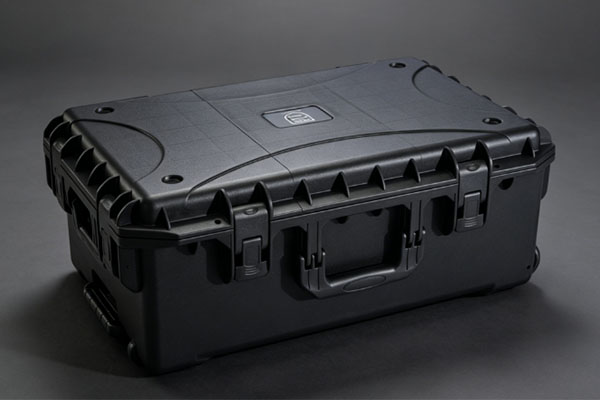
Why Do Medical Testing Instruments Need Professional Toolboxes?
Precision Instruments Require Stable Internal Protection
Medical testing equipment often contains electronic components, sensors, display modules, and precision mechanical structures. Impacts and continuous vibration during transportation may cause equipment damage or affect its performance and measurement accuracy.
A professional medical instrument toolbox can be equipped with EVA, foam, or other cushioning materials. The interior can also be designed according to the shape of the equipment, creating dedicated positioning areas that help keep instruments securely in place and reduce movement and collision during transportation.
Protection for Different Medical Testing Environments
Medical testing equipment is not always used in fixed laboratory environments. Some portable testing instruments need to be transported between hospitals, clinics, mobile testing stations, research facilities, or outdoor locations.
Protective cases with sealed structures can help reduce exposure to dust and moisture. For equipment that requires frequent transportation, waterproof, dustproof, and shock-resistant designs can provide an additional level of protection.
How to Choose a Medical Testing Instrument Toolbox?
Select the Toolbox According to Equipment Type
Different medical testing instruments have different requirements for internal space, weight capacity, and protection. The toolbox should therefore be selected according to equipment dimensions, weight, and the number of accessories that need to be stored.
| Medical Testing Equipment | Recommended Toolbox Configuration | Main Protection Requirements |
| Portable Testing Instrument | Compact protective case + foam insert | Shock resistance, portability |
| Blood Analyzer | Medium or large instrument case + customized insert | Impact protection, secure fixation |
| ECG Monitor | Portable toolbox + compartmentalized storage | Dust protection, organized storage |
| Ultrasound Equipment | Large protective case + cushioning structure | Shock resistance, moisture protection |
| Laboratory Testing Instrument | Customized instrument case + EVA insert | Precise fixation, impact protection |
| Testing Probes and Accessories | Compartmentalized toolbox | Prevent mixing, convenient access |
Pay Attention to Internal Dimensions and Space Design
When choosing a medical instrument toolbox, users should not focus only on the external dimensions of the case. The length, width, and height of the equipment, together with insert thickness, accessory space, and required cushioning clearance, all affect the actual usable space.
For precision medical testing equipment, customized EVA or foam inserts can be designed according to the equipment shape. Dedicated storage areas can be created for the main unit, power supply, probes, cables, and other accessories. A well-planned interior layout can reduce equipment-to-equipment contact while making it easier for operators to quickly locate and remove the required components.
Key Design Requirements for Medical Instrument Protective Cases
Shock and Vibration Protection
Medical testing instruments should not normally be placed directly inside a hard case without cushioning. Foam and EVA inserts can absorb part of the impact and vibration generated during transportation, helping reduce the risk of damage.
Waterproof and Dustproof Protection
Hospitals, laboratories, and outdoor testing environments often require good equipment cleanliness and environmental protection. A protective case with a sealed structure can help reduce the entry of dust and moisture, providing a more stable environment for transporting sensitive instruments.
Easy and Convenient Transportation
Medical testing personnel may need to move equipment frequently. Therefore, the toolbox should be selected according to the weight and transportation requirements of the instrument.
Lightweight handheld cases are suitable for portable testing equipment, while larger and heavier equipment can benefit from protective cases equipped with wheels and pull handles.
Customized Interior Design
Medical testing equipment comes in many different shapes and sizes, so standard-size toolboxes may not always provide an ideal fit.
Customized case dimensions and interior inserts can create dedicated storage spaces for individual instruments and accessories, improving equipment protection while making the case easier to organize.
Siphia Medical Testing Instrument Toolbox Solutions
Siphia Tool Box provides various toolboxes and instrument protective cases for storing and transporting precision instruments, testing equipment, and professional tools.
For medical testing applications, suitable case types can be selected according to equipment dimensions, quantity, weight, and transportation conditions. Foam or EVA inserts can also be incorporated into the interior to create a more organized equipment storage solution.
For medical equipment manufacturers, laboratories, testing organizations, and medical engineering service companies, customized toolboxes can also be used as dedicated transportation cases for complete equipment systems.
By creating separate areas for the main instrument, accessories, cables, and other components, the entire medical testing system can remain organized during transportation and field operations.
Applications of Medical Testing Instrument Toolboxes
Professional medical testing toolboxes can be used in a variety of applications, including:
- Hospital equipment transportation
- Laboratory instrument storage
- On-site medical testing
- Medical equipment after-sales service
- Research equipment transportation
- Portable testing projects
- Medical equipment installation and maintenance
Compared with ordinary storage boxes, professional instrument protective cases place greater emphasis on shock resistance, waterproofing, dustproofing, equipment fixation, and organized storage.
Through targeted structural design, a protective case can meet the requirements of different medical testing instruments during transportation, storage, and field operations.
A medical testing instrument toolbox is more than a simple storage container. It plays an important role in protecting precision equipment during transportation and daily use.
A durable outer shell, shock-absorbing interior, sealed structure, organized compartments, and customized dimensions can work together to create a comprehensive equipment protection system.
For different medical testing instruments and operating environments, Siphia Tool Box can provide flexible solutions based on case type, equipment dimensions, interior configuration, and transportation requirements. These professional medical testing instrument toolbox solutions can help improve equipment transportation safety, storage efficiency, and convenience for medical equipment companies, laboratories, and testing professionals.