
In the manufacturing of hardware tools, production efficiency depends not only on equipment performance but also on effective daily tool management. Production lines use a wide range of tools every day, including assembly tools, inspection equipment, maintenance tools, and various auxiliary devices. Without proper storage, workers may spend extra time searching for tools, deal with disorganized workspaces, and face management challenges. For companies in the hardware industry, professional tool boxes have become an important part of improving production processes. A well-designed tool box solution can help companies optimize tool management, reduce unnecessary downtime, protect valuable tools, and support stable long-term operation of hardware tool production lines.
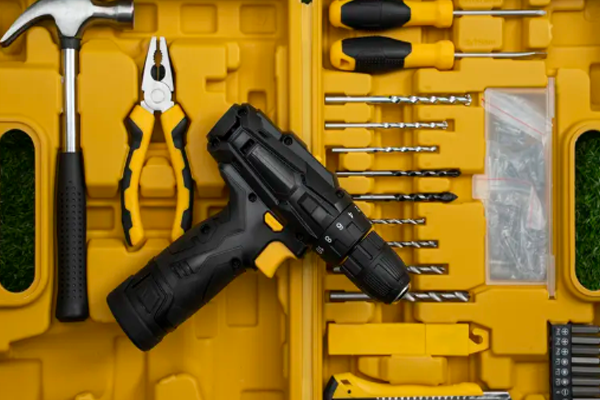
Why Do Hardware Tool Production Lines Need Professional Tool Box Solutions?
Hardware tool manufacturing usually involves multiple processes, including stamping, machining, assembly, inspection, and maintenance. Each production area requires different types of tools. Traditional storage methods often cannot meet the demands of high-frequency factory operations, especially in mass production environments where poor tool management can directly affect production efficiency.
Professional tool boxes can be designed according to specific production processes, giving every tool a dedicated storage location and improving overall workshop organization.
| Tool Box Type | Main Features | Suitable Applications |
| Aluminum Tool Box | Durable, strong protection, long service life | Precision tools and inspection equipment |
| Drawer Tool Box | Clear classification and quick access | Assembly workstations |
| Mobile Tool Box | Easy movement and large capacity | Factory maintenance areas |
| Customized Tool Box | Designed according to specific needs | Automated production lines |
Improve Production Line Tool Efficiency
During hardware tool manufacturing, workers often use various tools such as wrenches, screwdrivers, measuring tools, fixtures, and specialized maintenance equipment. When tools are placed randomly, employees spend more time searching, which can interrupt production processes.
- Clear tool classification. Storage areas can be planned according to different workstation requirements, allowing employees to quickly find the right tools.
- Reduced production waiting time. Tools can be organized and returned to fixed locations, preventing delays caused by searching.
- Improved workshop management. Managers can quickly check tool conditions and reduce missing equipment.
A professional tool box management system helps hardware companies create a more organized production environment, allowing employees to focus on manufacturing tasks instead of spending time managing tools.
Protect Tools and Reduce Operating Costs
Some tools used in hardware production are expensive, especially measuring equipment and precision tools. If they are exposed to dust, oil, or impacts for a long time, their performance and service life may be affected.
- Reduce tool collisions. Separate storage areas help prevent tools from damaging each other.
- Improve storage safety. Protective structures reduce the impact of external working conditions.
- Extend tool service life. Lower replacement frequency helps reduce operating costs.
For hardware industry companies, a reliable tool box not only improves daily convenience but also helps reduce unnecessary resource waste.
What Tool Boxes Are Suitable for Different Hardware Production Processes?
Hardware tool production lines include multiple workstations, and each area has different requirements for tool storage. Assembly workers need quick access to tools, machining operators focus more on tool protection, while maintenance teams require larger storage capacity. Therefore, companies should select tool box solutions based on actual working conditions rather than only considering size.
Tool Box Solutions for Assembly Production Lines
Assembly areas usually require frequent use of small tools, including screwdrivers, wrenches, pliers, and various auxiliary components. Tool boxes need to support fast access and efficient classification.
- Drawer designs are suitable for fixed workstations. Different tools can be stored separately to improve operation efficiency.
- Small compartments simplify component management. Screws and small parts can be stored separately.
- Compact structures save workspace. They are suitable for installation near production lines.
Using professional tool boxes in assembly areas can reduce tool searching time, improve workflow stability, and support standardized factory management.
Tool Box Selection for Equipment Maintenance Areas
Hardware production equipment requires regular maintenance and repair after long-term operation. Maintenance areas usually need to store a larger variety of tools.
- Large-capacity designs support multiple tool storage needs. Various maintenance tools can be managed in one place.
- Mobile tool boxes improve on-site flexibility. Workers can easily move tools to different equipment locations.
- Reinforced structures suit industrial environments. They can handle frequent and long-term use.
- Organized layouts improve maintenance efficiency. Different tools can be classified to reduce searching time.
For large hardware manufacturers, mobile tool boxes help maintenance teams respond quickly to equipment issues and reduce production interruptions.
Development Trends of Hardware Industry Tool Boxes
With continuous manufacturing upgrades, the hardware industry has higher requirements for production management. Traditional tool boxes are no longer enough to meet modern factory needs. Companies are now focusing on professional tool management solutions, including material selection, structural design, and customization capabilities.
High-Strength Materials Become a Key Selection Factor
Production line tool boxes need to handle frequent movement, impacts, and long-term use. Therefore, material quality directly affects product durability.
- Aluminum tool boxes are becoming more widely used. Aluminum alloy provides excellent strength while maintaining suitable weight for workshop movement.
- Durable structures reduce maintenance frequency. High-quality manufacturing supports long-term industrial use.
- Professional appearance improves company image. Suitable for modern factory management standards.
Aluminum tool boxes are not only used in hardware tool production lines but are also widely applied in machining, equipment maintenance, and other industrial fields.
Customized Tool Boxes Meet Specific Business Requirements
Different hardware manufacturers produce different products and use different tool specifications. Standard tool boxes may not fully match actual production requirements, making customized solutions increasingly popular.
- Internal structures designed according to tool sizes. Improves storage space utilization.
- Layouts adjusted according to workstation needs. Makes tool boxes more suitable for daily operations.
- Supports standardized company management. Allows multiple production areas to follow consistent storage systems.
Customized tool boxes help companies solve inefficient storage problems and create tool management solutions that better match production processes.
How Should Hardware Tool Companies Choose the Right Tool Box Solution?
When selecting tool boxes, companies need to consider working environments, tool quantities, and future production requirements. A suitable tool box should not only provide storage but also improve production efficiency and management quality.
Choose Tool Boxes According to Production Scale
Different sizes of hardware companies have different requirements for tool quantities and usage methods.
- Small production lines are suitable for basic classified tool boxes. They meet daily tool organization needs.
- Medium and large factories are suitable for mobile tool boxes. They improve workshop tool distribution efficiency.
- Special production areas are suitable for customized tool boxes. They better match actual operation requirements.
Before purchasing tool boxes, companies can evaluate their existing tools, usage frequency, and working conditions to choose a more suitable solution and avoid insufficient capacity or unnecessary features.
Pay Attention to Tool Box Design Details
The long-term performance of a tool box is closely related to its structure and manufacturing details. Especially in hardware production environments, durability is a critical factor.
- Lock design affects safety. Prevents tools from falling out during transportation.
- Internal layout affects working efficiency. Proper organization improves access speed.
- Corner protection improves durability. Reduces damage caused by impacts.
- Material quality determines service life. High-quality materials support long-term production use.
A hardware tool production line tool box solution is not simply a storage product. It is an important way to optimize production management. For companies in the hardware industry, choosing professional, durable, and application-specific tool boxes can reduce tool damage, improve employee efficiency, and create a more organized and productive manufacturing environment. Siphia Box provides professional tool box solutions for hardware manufacturing, industrial production, and other applications, helping companies improve tool management and achieve more efficient production operations.