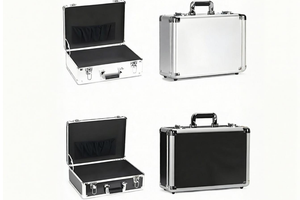
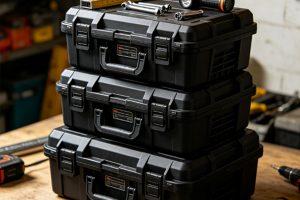
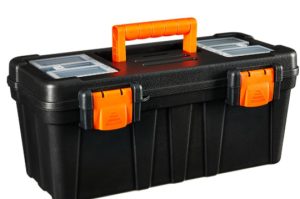
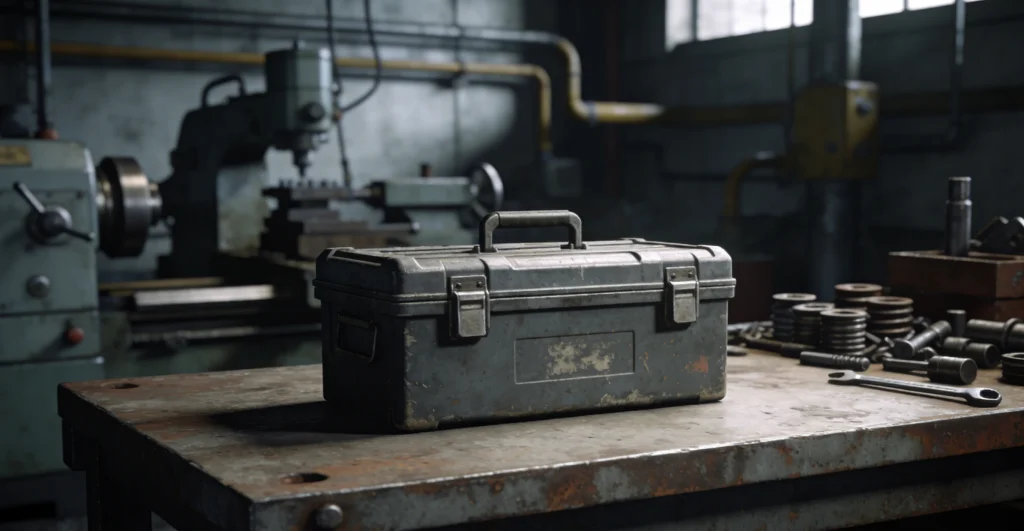
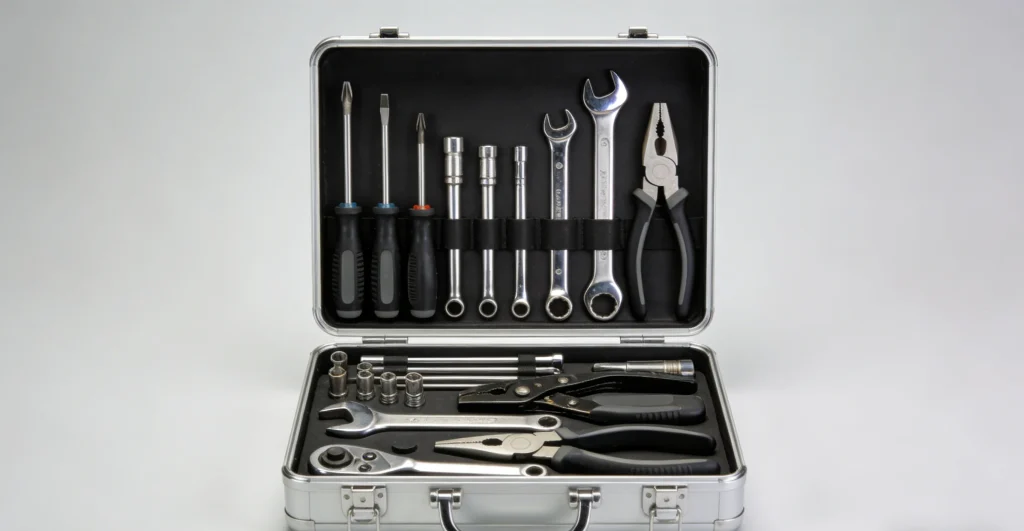
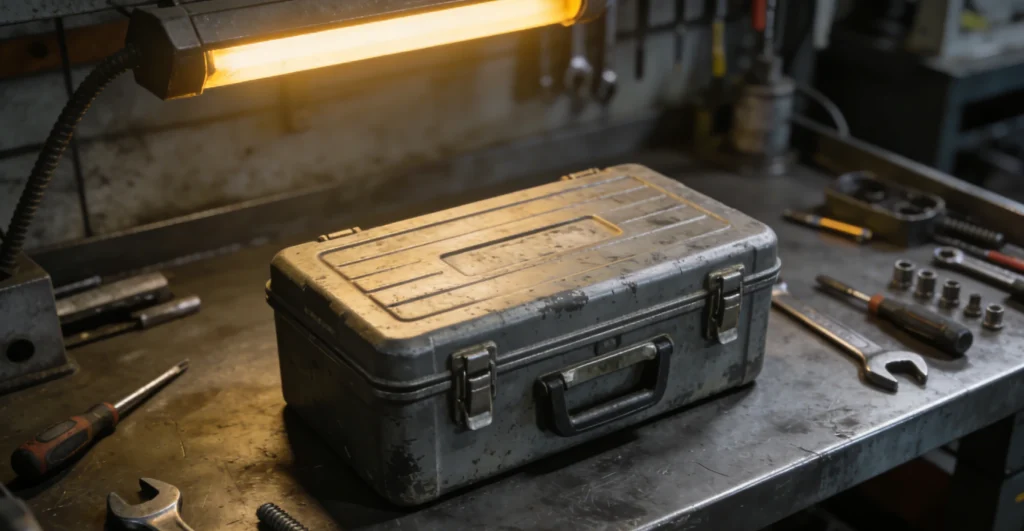
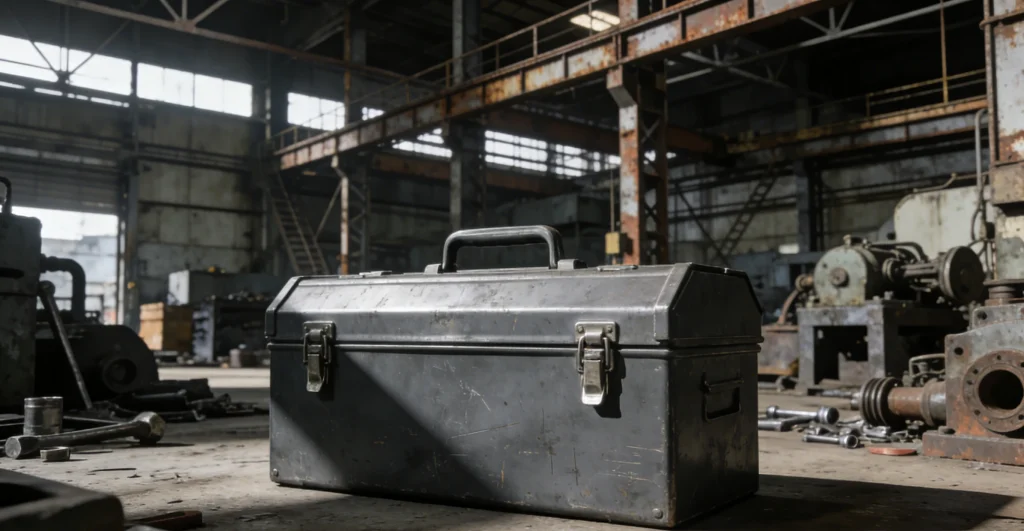
A plastic mini toolbox is a practical storage product designed for daily repairs, tool organization, home DIY projects, and light-duty work. Compared with metal toolboxes, plastic mini toolboxes are generally lighter, easier to carry, flexible in design, and suitable for users who need convenient storage for a small collection of tools. They can be used in homes, offices, workshops, vehicle trunks, and outdoor activities. A plastic mini toolbox can keep screwdrivers, wrenches, pliers, measuring tools, screws, and other small accessories in one organized location. With a suitable internal structure, it can reduce scattered tools and make frequently used items easier to access during maintenance work.
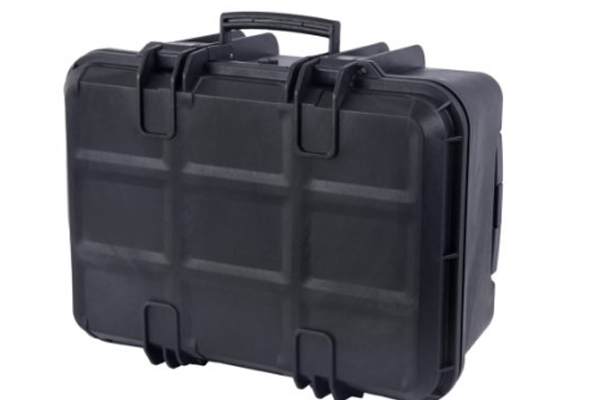
Lightweight Design Makes a Plastic Mini Toolbox Easy to Carry
A plastic mini toolbox is generally lighter than a metal toolbox of a similar size, making it suitable for users who frequently move their tools from one location to another. During home repairs, users can easily move the toolbox from a storage cabinet to the living room, kitchen, balcony, or another work area. When inspecting equipment, workers can also carry the toolbox to different work locations with less physical effort. The lightweight design can reduce the burden of transportation, making this type of toolbox suitable for household users, older users, and maintenance workers who need to carry basic tools with them. Plastic materials also provide flexibility during manufacturing, allowing manufacturers to create different toolbox sizes, handles, compartments, and structural configurations. This makes it possible to balance portability and practical storage capacity. For users who only need a small collection of commonly used tools, a plastic mini toolbox does not require much storage space and can be conveniently placed in a drawer, on a shelf, workbench, or inside a vehicle storage area.
Plastic Materials Improve Convenience for Everyday Use
A plastic mini toolbox provides convenient operation for everyday tool storage and maintenance tasks. Plastic can be processed through injection molding, compression molding, and other manufacturing methods to create different shapes for the box body, compartments, trays, and accessory holders. Compared with toolboxes that can produce noticeable metal impact sounds, plastic toolboxes are generally quieter when placed down or moved, making them suitable for homes, offices, and indoor maintenance environments. Some plastic toolboxes also feature rounded edges to reduce inconvenience caused by sharp corners. When the lid, latches, and handle are properly designed, users can open, close, and carry the toolbox more easily. For people who frequently organize small tools, the straightforward structure and simple operation of a plastic mini toolbox can make daily storage more convenient. When purchasing a product, users should check the plastic thickness, connection points, latch strength, and handle load capacity instead of focusing only on appearance.
Internal Storage Structures Can Accommodate Different Tool Combinations
The internal structure of a plastic mini toolbox can be designed according to its intended use, making it suitable for different small tools and maintenance accessories. A well-organized storage structure can reduce tool crowding and mixing, allowing users to find the required item more quickly during repair work. Common internal features include fixed dividers, removable compartments, upper trays, and storage sections inside the lid. Users can select a suitable configuration according to the quantity and size of their tools. Small components such as screws, nuts, and washers can be sorted into separate compartments, while longer tools such as screwdrivers and hex keys can be placed in dedicated slots. Pliers and adjustable wrenches can be stored in the main compartment. Organized storage not only improves space utilization but can also reduce the risk of losing small accessories. A plastic mini toolbox can be used to store:
- Basic hand tools: Small screwdrivers, wrenches, pliers, hex keys, and compact measuring tools can be stored together.
- Repair accessories: Screws, nuts, washers, wire terminals, and other small components can be separated into different compartments.
- DIY materials: Tools and small materials used for handicrafts, assembly, and creative projects can be kept in an organized location.
- Electronic repair tools: Precision screwdrivers, plastic pry tools, tweezers, and related accessories can be stored separately.
- Emergency household tools: Commonly used household repair tools can be kept together for quick access when unexpected maintenance is required.
Because tools differ in size and weight, users should choose a plastic mini toolbox with internal space that matches their actual storage requirements. A suitable compartment layout can maintain an orderly toolbox while reducing the time spent searching for individual items.
Plastic Mini Toolboxes Are Suitable for Homes and Light-Duty Work
Plastic mini toolboxes have a wide range of applications, particularly in environments where the number of tools is limited, portability is important, and the work intensity is moderate. In households, they can be used for furniture assembly, door and window adjustments, external appliance maintenance, and basic bicycle repairs. Office workers can use them to store tools for network equipment maintenance, office furniture repairs, and commonly used small accessories. For hobbyists, a plastic mini toolbox can hold basic tools used for model making, handicrafts, assembly, and creative modification, helping prevent tools and materials from becoming scattered across a work surface. Vehicle owners can also place a plastic mini toolbox in the trunk to store emergency screwdrivers, wrenches, adhesive tape, and other small supplies. It should be noted that plastic mini toolboxes are generally more suitable for light-duty and routine storage tasks. If the application involves large metal tools, frequent heavy impact, or demanding environmental conditions, users should select a specialized toolbox based on material properties, wall thickness, load capacity, and other product specifications.
Plastic Mini Toolboxes Support Maintenance and Tool Management
In addition to providing centralized storage, a plastic mini toolbox can help users establish more consistent tool management habits. When each tool has a fixed storage location, users can check the contents after completing a task, reducing the possibility of misplaced or forgotten tools. Plastic boxes also generally do not develop rust on the surface in the same way as conventional steel toolboxes, providing convenient maintenance for normal indoor storage. However, a plastic toolbox is not completely unaffected by environmental conditions. Long-term exposure to high temperatures, strong ultraviolet radiation, or corrosive chemicals may cause material aging, deformation, or performance degradation. During use, the toolbox should be cleaned and stored according to the manufacturer’s recommendations, and its load capacity should not be exceeded.
For routine maintenance, users can follow these practices:
- Regularly inspect the toolbox body, handle, lid, and latches for cracks, damage, or looseness.
- Use a soft cloth to remove dust, oil, and metal particles and keep the interior clean.
- Secure sharp tools properly to reduce collisions between tools during transportation.
- Avoid concentrating excessively heavy items in a single small storage compartment.
- Adjust tool positions according to usage frequency and keep frequently used items in easily accessible locations.
- Avoid storing the toolbox for long periods in areas exposed to high temperatures, moisture, or direct sunlight.
With its lightweight material, flexible internal structure, portable design, and wide range of applications, a plastic mini toolbox can meet the tool storage needs of household repairs, office maintenance, DIY projects, and light-duty work. When selecting a product, users should consider the number of tools, toolbox dimensions, plastic material, structural strength, compartment design, and intended environment. Choosing a toolbox that matches actual work requirements can keep tools better organized while making everyday access and maintenance more convenient.