A violin is a finely crafted wooden instrument that is highly sensitive to environmental conditions, especially changes in humidity. Fluctuations in moisture levels can directly affect the instrument’s structure, sound quality, and overall lifespan. Whether the violin is stored at home, transported to music lessons, or carried to performances, maintaining a stable environment is essential. Excessive humidity can cause the wood to absorb moisture, resulting in swelling, glue failure, and reduced acoustic performance. For this reason, more musicians are choosing moisture-resistant violin cases to provide a safer and more controlled storage environment. These specialized cases not only help reduce the effects of humidity but also improve transportation safety and long-term preservation, making them an important investment for violin protection.
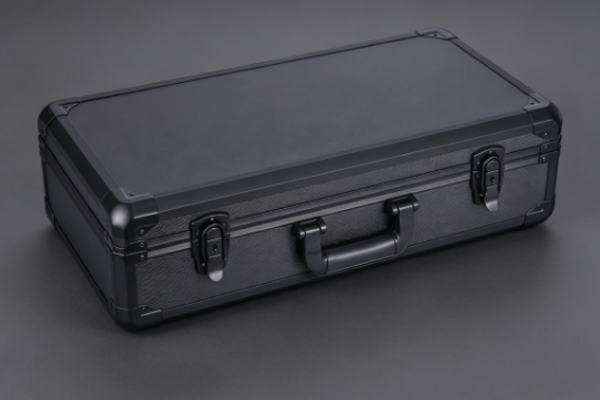
Moisture-Resistant Design Helps Protect the Violin from Humidity
Violins are primarily constructed from natural tonewoods that respond to changes in humidity. When the surrounding air remains excessively damp for long periods, the violin’s top plate, neck, and internal components may expand, affecting tuning stability, structural integrity, and sound quality. A moisture-resistant violin case is designed with water-resistant exterior materials and well-sealed construction to reduce the amount of moisture entering the interior. This creates a more stable storage environment for the instrument.
For musicians living in coastal regions or areas with consistently high humidity, moisture protection is particularly valuable. During rainy seasons or periods of damp weather, a moisture-resistant case helps shield the violin from excessive environmental moisture. Maintaining stable humidity conditions allows the instrument to preserve its shape, tone, and performance while reducing the likelihood of expensive repairs over time.
Moisture-Resistant Violin Cases Feature Comprehensive Protective Construction
Modern moisture-resistant violin cases offer much more than humidity control. They combine several protective features to improve instrument safety during storage and transportation.
Common protective features include:
- Moisture-resistant exterior materials: Help reduce humidity penetration and improve overall environmental protection.
- Sealed case construction: Minimizes air exchange and maintains a more stable internal environment.
- Soft cushioned interior lining: Protects the violin’s finish while reducing vibration and accidental impacts.
- Secure bow holders: Keep bows firmly in place and improve overall storage safety.
These design features work together to provide complete protection for the violin. For students, professional performers, and competition participants who frequently travel with their instruments, this combination of moisture control and physical protection delivers greater confidence and reliability throughout daily use.
Moisture-Resistant Violin Cases Are Ideal for Long-Term Storage
High-value violins and collectible instruments require consistent environmental conditions during long-term storage. Ordinary storage methods often expose instruments to seasonal humidity changes, dust, and unstable temperatures, all of which may negatively affect the wood over time. A moisture-resistant violin case provides a safer storage environment by reducing exposure to external moisture and helping maintain consistent internal conditions.
Some premium violin cases are also designed with dedicated spaces for humidity-control accessories, allowing users to add humidity-regulating devices when necessary. This additional protection helps preserve the instrument’s tonal quality while minimizing maintenance requirements. For professional musicians, music academies, collectors, and instrument dealers, a moisture-resistant violin case is an effective solution for protecting valuable instruments over many years.
Moisture-Resistant Violin Cases Meet Different Usage Requirements
Different users have different expectations for violin protection, and moisture-resistant cases are designed to perform well in a variety of situations while providing dependable environmental protection.
Typical applications include:
- Music lessons and daily practice: Protects the violin from humidity changes while traveling between home and school.
- Concerts and competitions: Maintains stable instrument conditions during performances in changing environments.
- Long-distance travel and transportation: Reduces the risks associated with climate changes and varying humidity levels during transit.
- Home storage and instrument collections: Creates a more suitable environment for preserving valuable violins over extended periods.
Selecting a moisture-resistant violin case according to individual needs helps maximize instrument protection while supporting learning, performance, travel, and long-term preservation.
Moisture-Resistant Violin Cases Increase Long-Term Instrument Value
A premium moisture-resistant violin case not only protects against humidity but also maintains reliable performance after years of regular use. High-quality exterior materials offer excellent resistance to wear and aging, while reinforced internal padding continues to provide stable support without quickly losing its cushioning properties. Durable hinges, secure latches, and strong hardware improve structural reliability and extend the service life of the case itself.
For every violin owner, preserving a stable storage environment plays a significant role in maintaining the instrument’s appearance, sound quality, and market value. Choosing a moisture-resistant violin case helps reduce maintenance expenses while extending the violin’s lifespan. As musicians become increasingly aware of proper instrument care, moisture-resistant violin cases have become an essential accessory for students, professional performers, collectors, music schools, and anyone seeking dependable long-term protection for their valuable instruments.