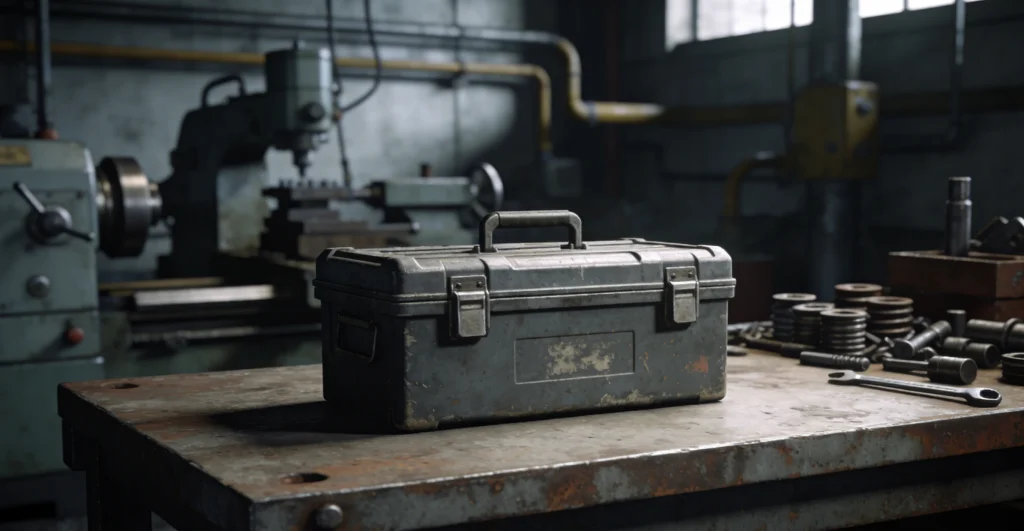
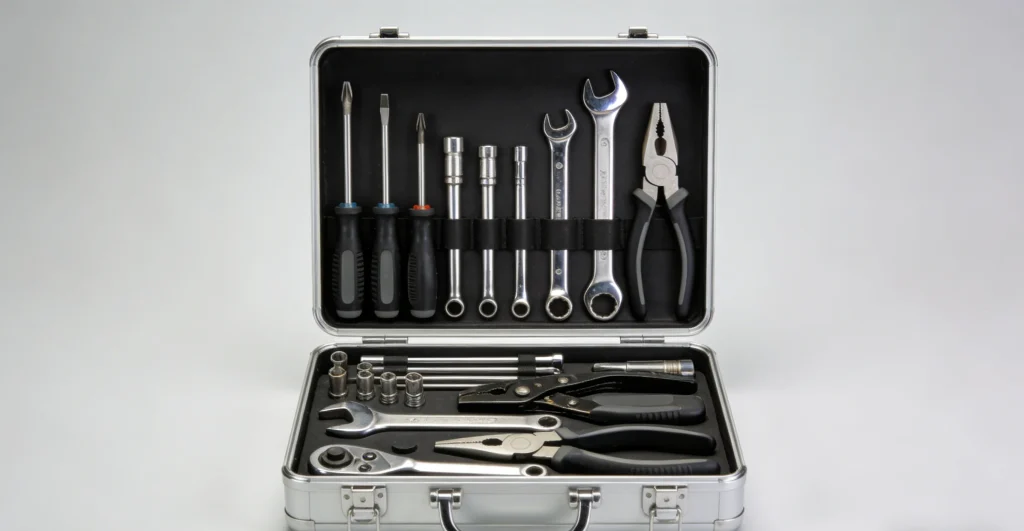
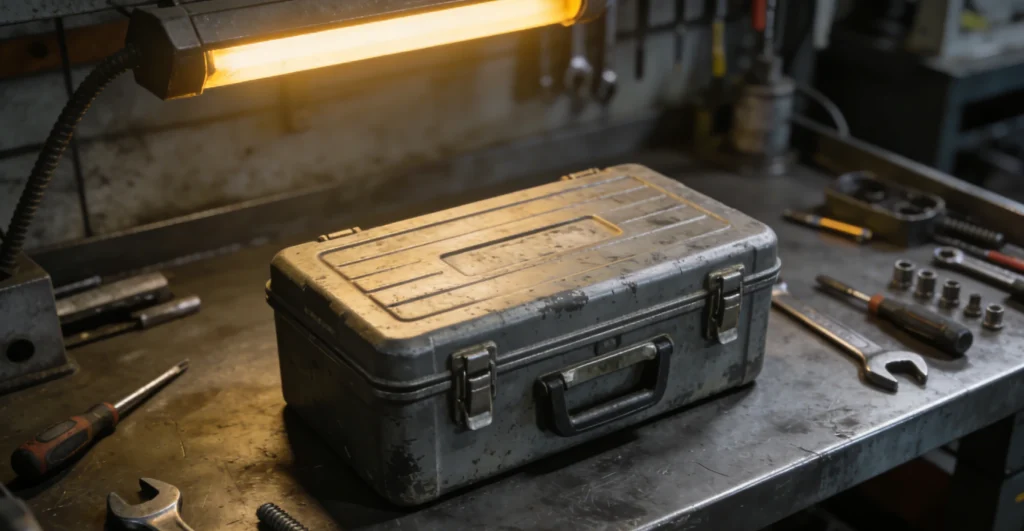
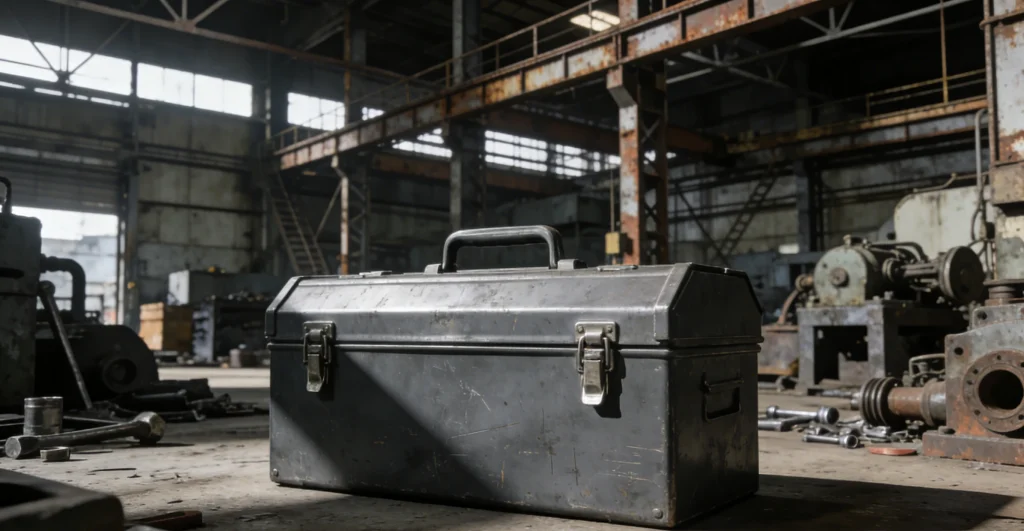
Truck toolboxes are mainly used to store vehicle repair tools, spare parts, and daily work supplies in one place. They are commonly used in freight transportation, construction projects, logistics distribution, and vehicle maintenance. Compared with ordinary household toolboxes, truck toolboxes need to withstand long-term vehicle vibration, bumps, rainwater, dust, and outdoor conditions. Therefore, they are usually made of materials with a certain level of strength, such as aluminum alloy and steel, and are secured to the vehicle with latches, hinges, sealing strips, and mounting brackets. Different vehicle models have different frame dimensions, cargo box structures, installation spaces, and load capacities. As a result, a toolbox cannot be installed directly on every vehicle and must be selected according to the vehicle structure, appropriate size, and installation method.
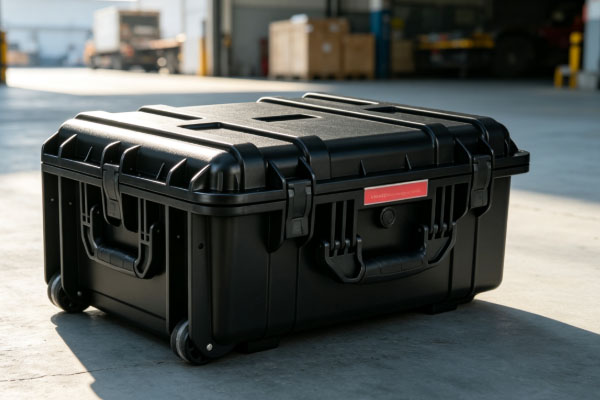
Common truck toolboxes can be used for light-duty trucks, medium-duty trucks, heavy-duty trucks, pickup trucks, construction vehicles, and some specialized transport vehicles. Small cargo vehicles generally need lightweight and compact toolboxes for storing commonly used repair tools such as wrenches, screwdrivers, and sockets. Heavy-duty trucks and construction vehicles may require larger boxes for storing jacks, towing tools, repair parts, and other heavier items. Some toolboxes can be installed on the side of the frame, underneath the cargo box, behind the cab, or in other locations with suitable mounting conditions. When selecting a toolbox, it is not enough to consider only the box capacity. The available installation space, mounting method, box dimensions, and actual load requirements must also be confirmed to achieve a good match between the toolbox and the vehicle.
Which Common Vehicle Models Are Suitable for Truck Toolboxes?
Light-Duty Trucks and Small Cargo Vehicles
Light-duty trucks are commonly used for urban delivery, short-distance transportation, building material transportation, and daily freight operations. Because these vehicles are relatively compact, the size and weight of the toolbox need to be controlled during installation to avoid affecting cargo space. Small aluminum alloy toolboxes are suitable for storing wrenches, screwdrivers, socket sets, measuring tapes, and a limited number of repair parts. These toolboxes can generally be installed underneath the cargo box or on the side of the frame. After installation, it is necessary to ensure that the box does not interfere with the tires, suspension, or other moving vehicle components, while also leaving enough space to open the door and access the tools.
Medium-Duty and Heavy-Duty Trucks
Medium-duty and heavy-duty trucks are often used for long-distance transportation, construction transportation, and large cargo transportation. These vehicles travel long distances and generally require a wider range of repair tools. A toolbox can provide additional storage space for jacks, socket sets, tow ropes, wrenches, and commonly used spare parts. These vehicles usually have larger frames and chassis spaces, making them suitable for larger-capacity toolboxes. However, the larger the toolbox, the greater the overall weight after loading. Therefore, the mounting brackets and fastening bolts need to have sufficient load-bearing capacity.
How Should Toolboxes Be Selected for Different Vehicles?
There is no single standard size of truck toolbox that fits every vehicle model. Different vehicle applications require different tools, so the box dimensions, material, and installation location need to be selected according to actual requirements.
Pickups and Light-Duty Work Vehicles: Pickups are often used for repair work, transportation, and outdoor operations. A medium-sized toolbox can be selected and installed inside the cargo bed, at the front of the cargo area, or on the side. It can mainly be used to store daily repair tools and small equipment.
Standard Cargo Trucks: A rectangular toolbox installed on the side of the frame can make effective use of the space underneath the cargo box and provide storage for repair tools and vehicle spare parts.
Construction Vehicles: Construction vehicles often operate at job sites where road conditions can be complex. The toolbox should provide good resistance to impact, dust, rain, and corrosion while also offering sufficient storage capacity for tools.
Heavy-Duty Tractors and Specialized Vehicles: These vehicles often operate for extended periods over long distances and usually need to carry more repair supplies. A larger-capacity toolbox can be selected, with particular attention paid to whether the mounting brackets, base plate, and fastening structure match the vehicle.
What Should Be Considered When Installing a Toolbox on a Vehicle?
Vehicle compatibility is not simply a matter of whether the toolbox can physically fit. The installation position, mounting method, door-opening space, and safety during vehicle operation must also be considered. If the toolbox is installed in an unsuitable position, even a box with the correct dimensions may experience movement, collisions, or difficulty opening the door during actual use.
Determine the Size Based on Available Installation Space
Before purchasing, measure the available space on the vehicle, including length, width, and height. If the toolbox is installed on the side of the frame, also confirm that there is sufficient clearance between the box and the wheels, suspension, and exhaust system. The toolbox must not interfere with normal vehicle operation or obstruct vehicle maintenance.
Select the Structure According to Tool Weight
Lightweight tools can be stored in a medium-capacity aluminum alloy toolbox. When the box needs to hold jacks, heavy-duty socket sets, or other heavy items, the base plate, frame, and reinforcement structure should be carefully checked. The load capacity of a toolbox depends not only on the box material but also on the material thickness, bottom structure, and mounting brackets.
Check the Door and Latch Clearance
After installation, the toolbox door must be able to open and close normally. Some vehicles have limited space on the side. If the toolbox is installed too close to the frame or other components, the door may not open completely. The latch should also be positioned for convenient operation so that daily access to tools is not affected.
Match the Mounting Brackets to the Vehicle
Once tools are loaded into the toolbox, the overall weight will increase significantly. The mounting brackets need to support the combined weight of the box and its contents, while the bolt connection points must remain secure. After long-term vehicle operation, the brackets and fasteners should be checked for looseness to prevent the toolbox from moving excessively.
Frequently Asked Questions
Q: Are truck toolboxes only suitable for large trucks?
A: No. Light-duty trucks, pickups, medium-duty trucks, heavy-duty trucks, and some construction vehicles can all use suitable toolboxes based on their available installation space. The key is to confirm whether the vehicle dimensions, installation position, and mounting method are compatible.
Q: Can an aluminum alloy toolbox be installed on a pickup?
A: Yes. Aluminum alloy toolboxes are relatively lightweight and offer good corrosion resistance, making them suitable for installation on vehicles such as pickups. The appropriate size should be selected according to the cargo bed dimensions and installation position.
Q: Do construction vehicles require special toolboxes?
A: Construction vehicles often operate in dusty, bumpy, or outdoor environments. Therefore, their toolboxes generally need good resistance to rain, dust, impact, and corrosion. If heavy tools need to be stored, the load capacity and mounting structure should also be considered.
Q: Can the same size toolbox be used on different vehicle models?
A: Not necessarily. Even when vehicle models have similar exterior dimensions, their frame structures, mounting hole positions, and available installation spaces may be different. When selecting a toolbox, confirm the specific vehicle’s installation dimensions and mounting method before determining the box specifications.
Truck toolboxes can be used on light-duty trucks, pickups, medium-duty trucks, heavy-duty trucks, construction vehicles, and some specialized transport vehicles, but the suitable toolbox specifications are not exactly the same for every vehicle model. Selection should be based on the vehicle dimensions, frame structure, available installation space, tool weight, and operating environment. Light-duty trucks and pickups are generally more suitable for compact and lightweight toolboxes, mainly for storing daily repair tools. Medium-duty and heavy-duty trucks can use larger boxes according to the available space to meet the storage needs of tools required for long-distance transportation and vehicle maintenance. Construction vehicles require greater attention to dust resistance, water resistance, impact resistance, and corrosion resistance.
In terms of material selection, aluminum alloy toolboxes are lightweight and corrosion-resistant, making them suitable for external vehicle installation. Steel toolboxes generally offer good structural strength but are relatively heavy, so their use should be considered together with the vehicle’s load capacity. Regardless of the material selected, the box dimensions must match the vehicle’s installation position, and components such as the base plate, frame, brackets, bolts, latches, and hinges should be checked. After installation, it is also important to ensure that there is appropriate clearance between the toolbox and the frame, wheels, suspension, and other components. Selecting the appropriate specifications based on the vehicle model and then configuring the toolbox according to the quantity and weight of the actual tools can help the truck toolbox provide better storage performance while maintaining stability and ease of use during vehicle operation.