
In electronic product repair and precision equipment maintenance, the professionalism of tools and the efficiency of tool management directly determine repair speed and work quality. Compared with traditional maintenance scenarios, electronic repair places much higher requirements on precision, anti-static protection, and organized tool management. A scientifically configured electronic repair toolbox not only improves repair efficiency but also reduces the risk of component damage and helps technicians quickly locate faults in complex circuit environments.
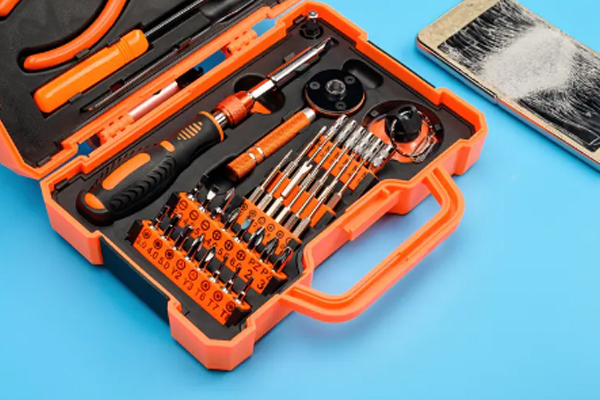
Core Principles of Electronic Repair Toolbox Configuration
An electronic repair toolbox is not just a storage unit for tools; it is an integrated system combining precision, specialization, and safety. Without proper planning, even a complete set of tools may fail to meet real repair needs or even damage sensitive components. Therefore, the design must follow actual operational workflows and repair logic.
Functional zoning based on repair tasks
Electronic repair involves multiple processes such as testing, disassembly, soldering, and measurement. Mixing tools can reduce efficiency and increase operational risks, making functional zoning essential.
- Separate storage for soldering tools and diagnostic tools
- Frequently used tools placed in easily accessible areas
- Precision electronic tools stored independently with shock protection
- Anti-static tools managed in dedicated zones
Proper zoning shortens workflow paths and improves overall efficiency.
Enhanced anti-static and precision protection design
Electronic components are highly sensitive to static electricity, so the toolbox must include anti-static protection and cushioning structures.
- Anti-static inner lining reduces electrostatic damage
- ESD tools managed separately to avoid cross-contamination
- Protective cases reduce vibration impact on precision components
- Sealed structure prevents dust and moisture intrusion
- Adjustable partitions for specialized components when needed
High-standard protection significantly improves repair success rates and reduces component loss.
Standardized Electronic Repair Toolbox Configuration Solutions
Different electronic repair scenarios require different tool combinations. From consumer electronics to industrial circuits, requirements vary significantly. Standardized configuration solutions help categorize toolbox setups for higher efficiency and professionalism.
Electronic Repair Toolbox Configuration Comparison Table
| Configuration Type | Application Scenario | Core Tools | Key Features | Industries |
| Basic Repair Type | Mobile phones & computers | Screwdriver sets, tweezers, desoldering pump, multimeter | Covers common faults, basic operation | Consumer electronics repair |
| Precision Soldering Type | PCB repair | Soldering station, hot air gun, flux tools, microscope | High precision, fine operation | Electronics manufacturing & repair |
| Industrial Electronics Type | Industrial control systems | Industrial multimeter, oscilloscope, insulation tools | High stability, professional grade | Industrial equipment maintenance |
| Anti-static Standard Type | Sensitive electronics repair | ESD tools, anti-static mats, grounding devices | Comprehensive protection | Laboratories & high-end repair |
| Mobile Repair Type | On-site repair services | Portable toolbox, multi-functional tool sets | Lightweight, fast response | Repair service industry |
This table helps technicians quickly match suitable toolbox configurations for different scenarios, improving selection efficiency.
Methods to Improve Electronic Repair Toolbox Efficiency
As electronic devices become increasingly complex, basic tool configurations are no longer sufficient. Structural optimization and management upgrades are required to improve overall efficiency and capability.
Modular tool design
Modular structures allow the toolbox to be flexibly adjusted based on different tasks, improving efficiency across multiple scenarios.
- Detachable compartment modules
- Quick toolset switching based on task type
- On-site reconfiguration capability
- Improved portability and handling flexibility
This approach is especially suitable for diverse repair environments.
Visual tool management system
Visual management ensures every tool has a fixed position and clear labeling, reducing loss and confusion while improving operational discipline.
- Tool silhouette placement improves return accuracy
- Unified labeling and classification system
- Usage status indicators enhance workflow efficiency
This significantly improves operational standardization.
Digital management integration
With the rise of smart manufacturing, tool management is also shifting toward digitalization to improve tracking and efficiency.
- RFID tool identification and tracking
- Real-time digital inventory updates
- Usage frequency and wear analysis
- Intelligent procurement and maintenance suggestions
- Data-driven resource optimization
Digital management improves efficiency while reducing long-term operational costs.
Electronic Repair Toolbox Selection Recommendations
When selecting a toolbox, companies should consider repair type, precision requirements, and future scalability rather than focusing only on price or appearance.
- Mobile and consumer electronics prioritize lightweight toolboxes
- Industrial repair focuses on stability and professional testing tools
- Precision repair requires anti-static and high-accuracy tools
- On-site repair benefits from portable and modular designs
Proper selection significantly improves efficiency and reduces the risk of component damage while lowering long-term operational costs.
Systematic configuration of electronic repair toolboxes not only improves repair efficiency but also reduces the risk of component damage. It is a key foundation for achieving professional and standardized operations in the modern electronics repair industry. SIPHIA BOX provides professional electronic repair toolbox solutions, helping businesses and technicians build efficient, safe, and fully customizable tool management systems.