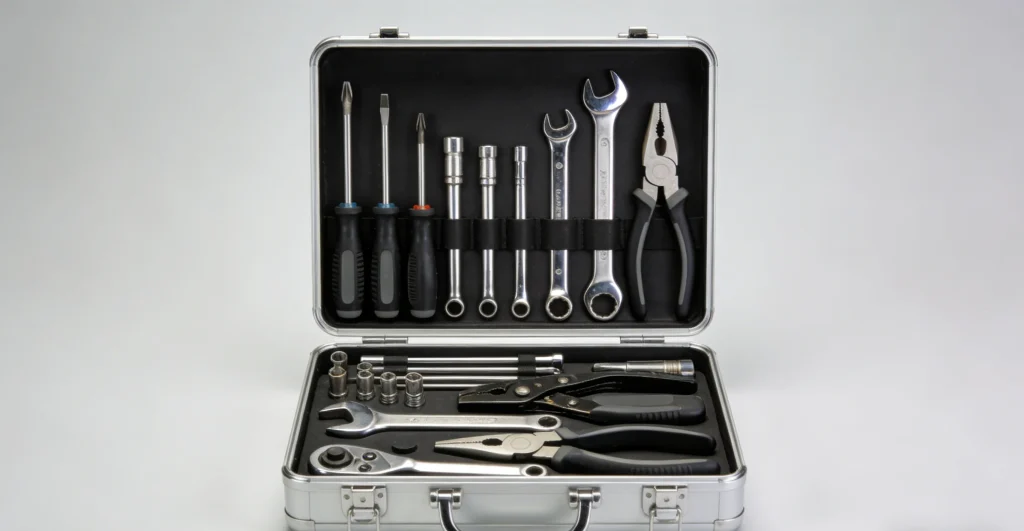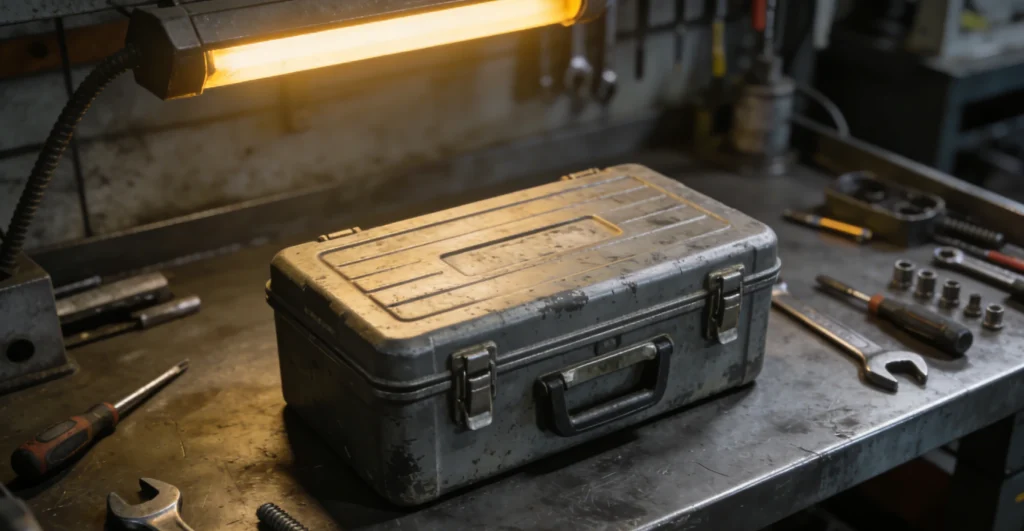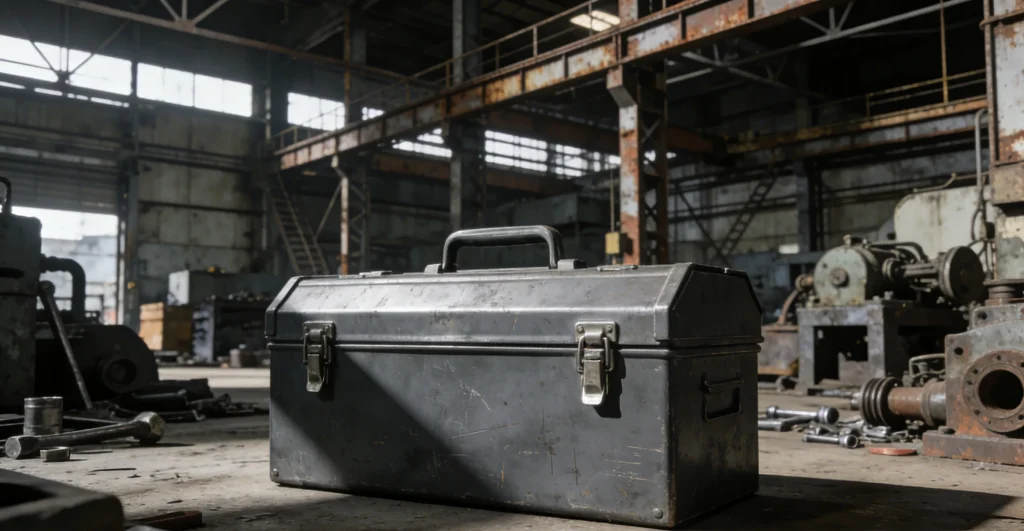
Mini toolboxes are becoming increasingly common in daily life. They are small in size but offer a concentrated range of functions, meeting needs for basic repairs, emergency handling, and simple installations. Compared to traditional large toolboxes, they emphasize portability and practicality, making them useful in homes, offices, and travel.
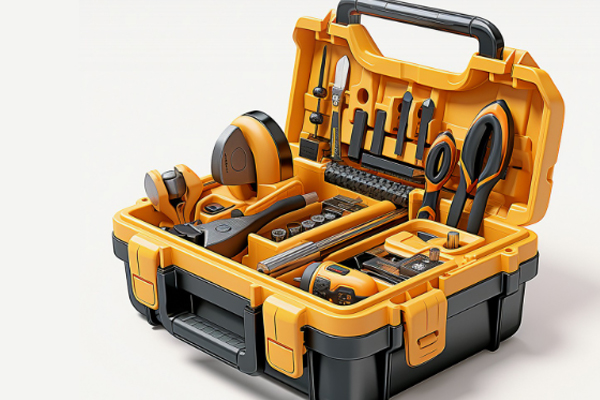
Use in Small Home Repair Scenarios
Mini toolboxes are widely used in home environments, especially suitable for handling frequent but low-volume repair tasks, such as loose furniture, adjusting doors and windows, and disassembling and assembling simple appliance casings. Having tools stored together reduces time spent searching for tools and improves efficiency.
Common uses include:
- Tightening loose screws on tables and chairs
- Adjusting cabinet doors and hinges
- Replacing light fixtures or small accessories
- Repairing simple wall fasteners
- Disassembling and assembling basic appliance casings
Having tools stored together makes home maintenance smoother.
Outdoor and Travel Emergency Handling
During outdoor activities or travel, equipment damage often occurs suddenly, such as broken backpack buckles, loose suitcase screws, or damaged camping gear. A mini toolbox provides basic repair capabilities to help quickly restore equipment to its usable state.
Common applications include:
- Repairing suitcase handles or axles
- Secure tent frame structures
- Adjusting folded outdoor gear
- Emergency repair of backpack connectors
- Simple repairs of travel items
Due to its small size, it won’t add much burden when carried.
Office Environment Auxiliary Tool Use
In office settings, a mini toolbox also has practical value, especially when adjusting office equipment or furniture. For example, if a computer stand is loose, a desk structure is unstable, or equipment casing needs to be disassembled, the tools can be used quickly to fix the problem. Common uses include:
- Adjusting monitor bracket screws
- Repairing loose desk components
- Replacing keyboard or peripheral parts
- Secure office equipment connections
- Simple repairs in dormitories or workstations
This portable tool kit reduces reliance on professional repair services.
Emergency Use in Cars
Minor problems inevitably arise during car use, such as loose interior trim, loose screws, or damaged small parts. A mini toolbox can be kept in the trunk for emergency handling.
Common uses include:
- Tightening loose screws in the car
- Adjusting license plates or decorative parts
- Addressing small electrical connection issues
- Secure interior parts
- Repairing minor malfunctions
It can provide basic support in emergencies.
More Convenient Storage and Management
One of the biggest advantages of a mini toolbox is its high storage efficiency. The internal structure is usually partitioned, allowing different tools to be stored in an orderly manner, avoiding the difficulty of finding items due to clutter. Its compact design also saves space during storage, making it suitable for long-term storage at home and in the car.
Key features include:
- Clearer tool categorization and storage
- Internal partitioning reduces clutter
- Easier to carry and store
- Quick access during use
- Suitable for fixed storage in multiple scenarios
Overall management efficiency is significantly higher than bulk tools.
Key Considerations When Purchasing
When choosing a mini toolbox, it’s necessary to consider your actual usage needs. Different products vary in materials, tool combinations, and durability. If you use it frequently, you should pay more attention to the stability of the overall structure and the quality of the tools.
Key considerations include:
- Whether the tools are complete and practical
- Whether the material is wear-resistant and durable
- Whether the handle and interface are sturdy
- Whether the storage structure is reasonable
- Whether it is suitable for the main usage scenarios
Choosing a suitable toolbox can make daily maintenance and emergency handling more efficient.