Mini toolboxes are increasingly used in home repairs, vehicle emergencies, and everyday minor repairs. However, faced with a wide variety of products on the market, many people tend to focus solely on price or appearance, neglecting crucial details that truly impact practicality. A good mini toolbox not only improves efficiency but also reduces tool loss and damage, making daily maintenance easier. Without clear criteria, it’s easy to buy a product that “looks good but isn’t user-friendly.” Filtering based on structural design, material strength, tool configuration, and usage scenarios will make it easier to find a suitable mini toolbox.
Core Criteria for Choosing a Mini Toolbox
Mini toolboxes play a role in home repairs, vehicle emergencies, and everyday minor repairs, but a truly practical product isn’t simply about appearance or price; it’s about considering actual usage needs. Whether the toolbox can hold commonly used tools, whether the opening mechanism is smooth, and whether the overall structure is sturdy all directly affect the user experience. For home users, a well-designed mini toolbox can reduce tool searching time and allow for quick access in emergencies, improving efficiency. When choosing a toolbox, pay close attention to whether the internal space is rationally divided, whether it allows for quick organization of frequently used tools, and whether it has certain protective capabilities, such as anti-slip and anti-collision designs.
Material and Durability Assessment
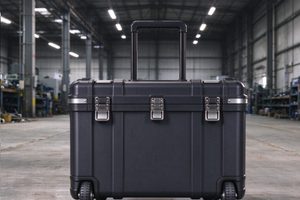
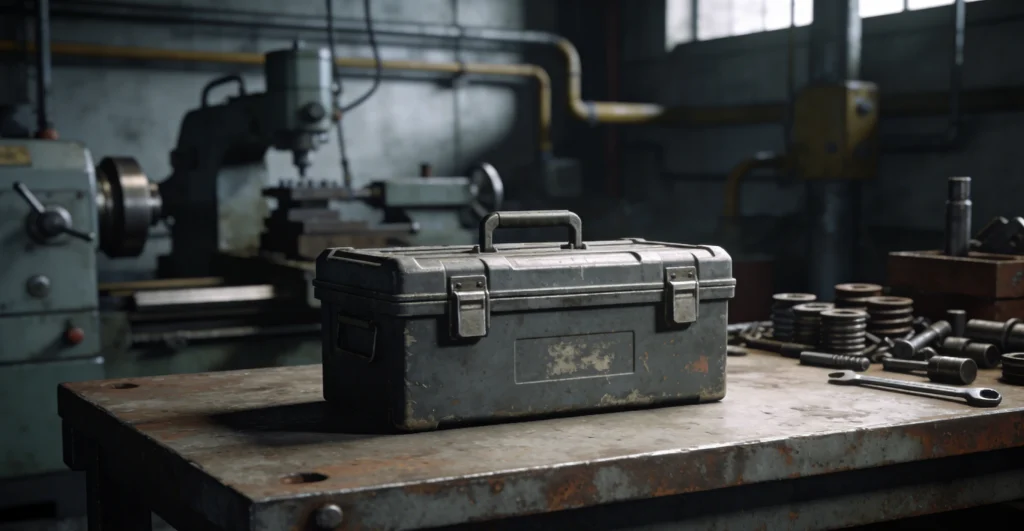
The material of the toolbox directly determines its lifespan and safety. Common materials include plastic, metal, and composite materials, each with different characteristics. Plastic is lightweight and suitable for home use, but it’s important to check if it uses high-strength engineering plastics, otherwise it may deform under pressure. Metal has a stable structure and strong impact resistance, making it more suitable for frequent travel or complex work environments. Composite materials strike a balance between weight and strength, making them a common upgrade option.
When purchasing, pay attention to the following:
- Whether it has a drop-resistant design and whether the corners are reinforced.
- Whether the hinges and buckles are secure and not easily loosened.
- Whether the surface is wear-resistant and whether it is prone to fading or cracking after long-term use.
The choice of material is not necessarily the most expensive, but rather should match the frequency of use and the environment.
Storage Structure and Space Design
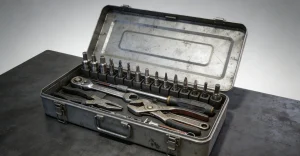
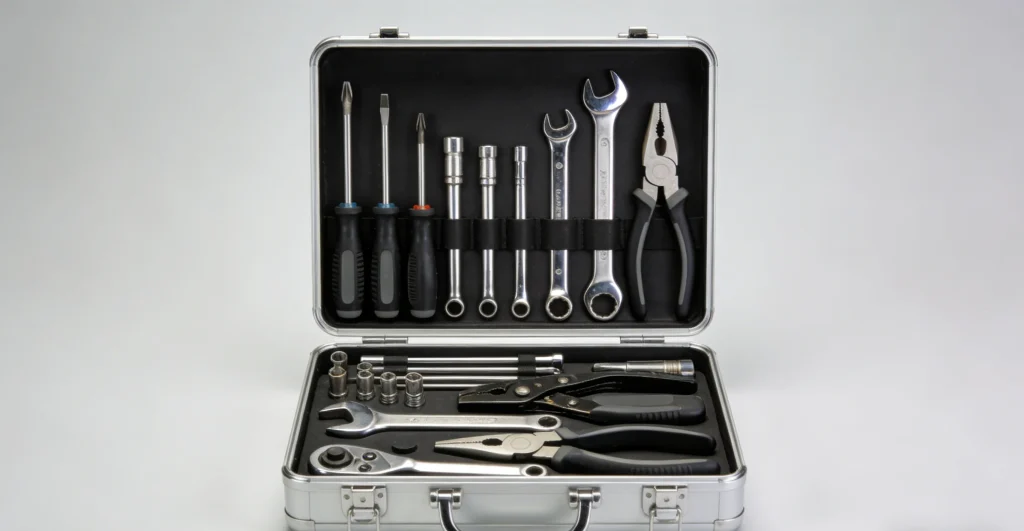
The practicality of a mini toolbox largely depends on its internal structure design. If the internal layout is too simple, even with sufficient space, tools can easily become disorganized, affecting retrieval efficiency. A well-designed, layered layout allows screwdrivers, pliers, wrenches, and other tools to be stored in their proper places, preventing damage from collisions.
Some well-designed toolboxes also use modular dividers, which can be adjusted according to the number of tools, making space utilization more flexible. In daily use, this type of design is especially suitable for users with a large variety of tools but small overall size.
Pay close attention to the following design details:
- Does it have dividers or adjustable slots?
- Does it support categorized storage of tools?
- Does it have anti-slip fixing structures to prevent movement during transportation?
A good storage structure not only improves efficiency but also extends the lifespan of tools.
Tool Configuration and Function Matching
The practicality of a toolbox largely depends on whether its internal configuration meets actual needs, rather than simply having a large number of tools. Different users have significantly different tool requirements; for example, home users tend to prefer basic repair tools, while car owners need more specialized tools.
When selecting tools, consider the following configuration guidelines:
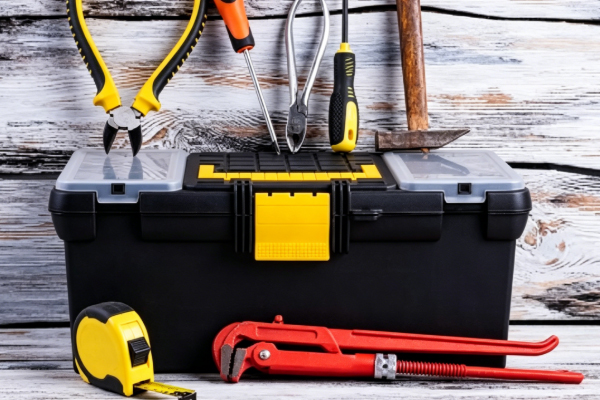
- Basic home use: screwdriver set, measuring tape, small pliers, hex wrench
- Routine maintenance and upgrades: add wrench set, electrician tools, small hammer
- Automotive emergency use: supplement with socket wrench, extension rod, tire pressure monitoring tools
When choosing tool configurations, prioritize frequently used tools rather than simply stacking them. Ultimately, a more adaptable configuration will result in higher efficiency.
Portability and Usage Scenarios
One advantage of mini toolboxes is their portability, but different designs vary significantly in carrying experience. If frequent movement is required, weight control and handle design become crucial. An overly heavy toolbox, even with comprehensive functions, may reduce convenience in actual use. In different usage scenarios, pay attention to these key points:
- Fixed home use: Focus on stability and convenient storage
- Emergency vehicle use: Requires small size and good shock resistance
- Outdoor repair use: Emphasize lightweight and quick access
Good portability design is not only reflected in weight, but also in handle comfort, locking stability, and overall structural compactness.
Brand Selection and Cost-Effectiveness Assessment
There are many mini toolbox brands on the market, with a wide price range. When choosing, don’t just pursue high-priced products; instead, consider the materials, configuration, and usage needs. Some brands have more mature structural designs, while some entry-level products are more price-competitive.
During the selection process, pay attention to:
- Whether clear tool specifications are provided
- User reviews regarding durability
- Whether basic warranty service is provided
A cost-effective toolbox usually meets basic needs while maintaining a reasonable price, and doesn’t excessively compromise on structure and materials. In conclusion, a reasonable assessment of the relationship between budget and usage frequency makes it easier to choose a suitable product.