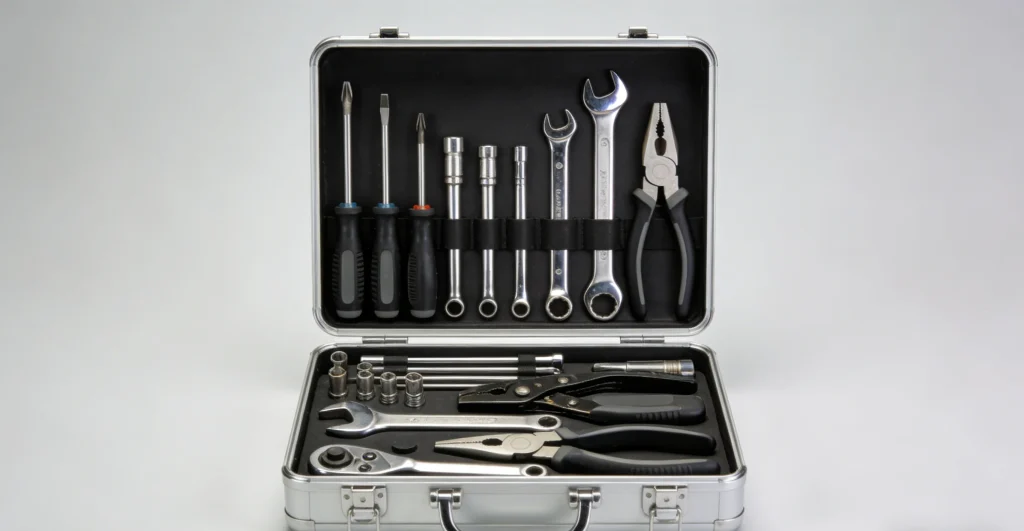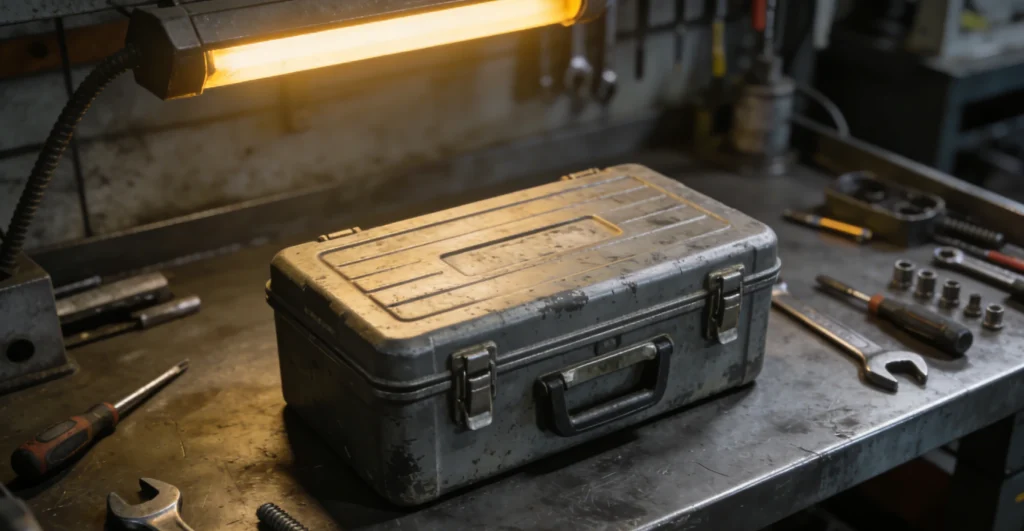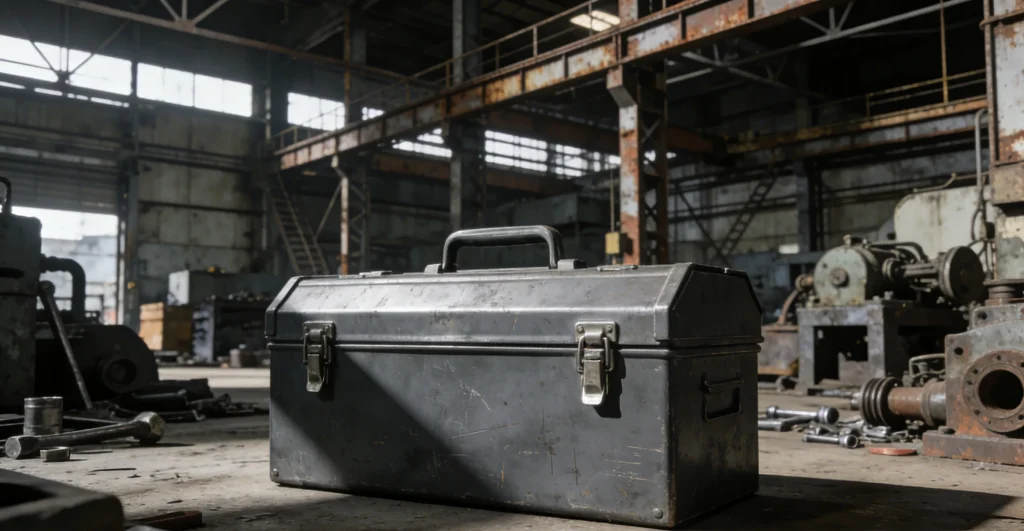
In maintenance work, efficiency often depends more on how tools are organized than on the sheer number of tools. Many maintenance workers face the same problem: they carry plenty of tools, but when a specific part or device is needed on-site, time is wasted searching, which can even delay the entire repair process. A well-structured large toolbox allows tools to be stored logically and accessed quickly in various maintenance scenarios. For workers in construction sites, workshops, or on-site services, choosing the right large toolbox has become an essential factor in improving work efficiency.
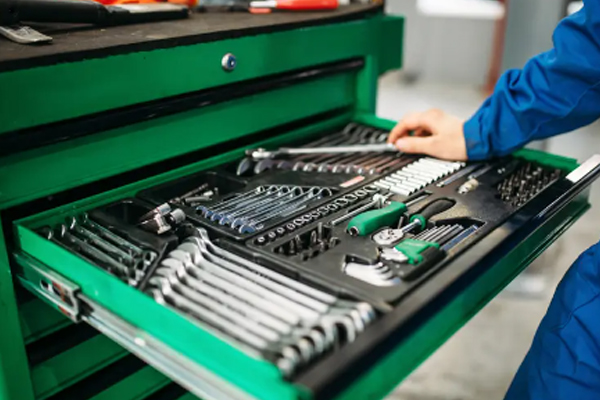
Layered Drawer Large Toolboxes
Layered drawer toolboxes are among the most frequently used by maintenance workers. Their main advantage is clear organization and efficient access, especially in environments where many types of tools are needed and quick retrieval is critical.
Multi-Layer Structure Enhances Organization
Maintenance tools are often diverse, from screwdrivers to wrenches to precision parts, and mixing them can greatly reduce efficiency. Layered drawers allow each type of tool to have a dedicated spot.
- High-frequency tools placed on top layers for quick access
- Mid-layer organized by function for regular tools
- Bottom layer for backup or less frequently used tools
- Small parts boxes can be stored on top to maintain overall tidiness
Clear Small Parts Management
Screws, washers, and other small items are easily lost during maintenance, and this type of toolbox handles that problem well.
- Drawer dividers prevent mixing
- Small compartments provide secure storage
- Transparent drawers allow quick identification
Wheeled Heavy-Duty Toolboxes
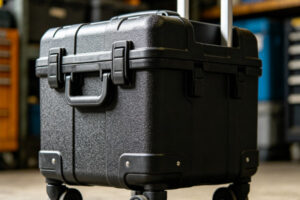
For maintenance workers who need to move between job sites or workshops, wheeled large toolboxes are almost essential. They emphasize “mobility plus load capacity.”
Carry Heavy Maintenance Equipment
Heavy power tools such as drills, impact drivers, or welding equipment cannot be carried manually.
- Main compartment can accommodate a full set of equipment
- Reinforced base improves load-bearing capacity
- Suitable for long-term outdoor or site use
Significantly Improved Mobility
Wheel designs allow the toolbox to move like luggage, greatly reducing physical strain.
- Swivel wheels adapt to uneven surfaces
- Locking mechanism ensures stability
- Single-person transport possible
Modular Combination Toolboxes
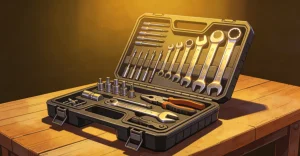
Modular toolboxes are ideal for maintenance workers who need flexible tool layouts, such as those repairing electronics or various types of equipment.
Task-Based Flexible Structure
Different maintenance tasks require different tools. These toolboxes can be disassembled or reconfigured as needed.
- Small modules for portable tasks
- Large modules for fixed workstations
- Structure can be quickly adjusted for temporary projects
Efficient Use of Space
Compared to traditional toolboxes, modular designs utilize space more efficiently.
- Fine partitions prevent wasted space
- Tools do not stack chaotically
- Maintains organization over long-term use
Metal-Reinforced Toolboxes
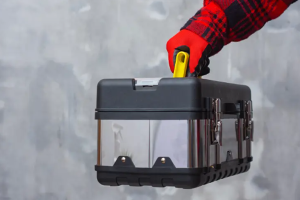
Metal toolboxes are a high-strength type widely used in maintenance, especially suitable for workers in harsh or demanding environments.
Superior Impact Resistance
Maintenance sites often involve collisions or drops. Metal construction effectively protects tools.
- Steel structure with high compressive strength
- Reinforced edges minimize damage
- Suitable for high-intensity work environments
Longer Lifespan
Compared to plastic, metal toolboxes are more durable and suitable for long-term investment.
- Resistant to deformation
- Stable protective performance
- Ideal for frequent, long-term use
Portable Folding Large Toolboxes
This type is geared toward “mobile maintenance workers,” especially those performing on-site repairs or maintaining small equipment.
Foldable Design for Easy Transport
When not in use, the toolbox can be folded to save space.
- Smaller footprint when collapsed
- Easy to carry in vehicles
- Fully functional when opened
Quick-Access Design
Focuses on efficiency for temporary repair tasks.
- Frequently used tools concentrated for rapid access
- Open and ready for immediate work
- Reduces setup time
Core Standards for Choosing a Toolbox
Choosing a large toolbox isn’t just about capacity; it’s about matching actual work routines.
- Can tools be organized efficiently?
- Does it suit mobile work environments?
- Can it protect precision equipment?
- Does it improve overall work efficiency?
A well-chosen toolbox can directly reduce repair time and increase customer satisfaction.
For maintenance workers, a large toolbox is more than just storage—it is a tool for improving workflow. Different types of toolboxes are suited to different work scenarios. Choosing the right one can greatly reduce tool disorder and wasted time, making maintenance smoother and more efficient. SIPHIA BOX offers large toolbox solutions tailored to real maintenance scenarios, making tool management professional and highly efficient.