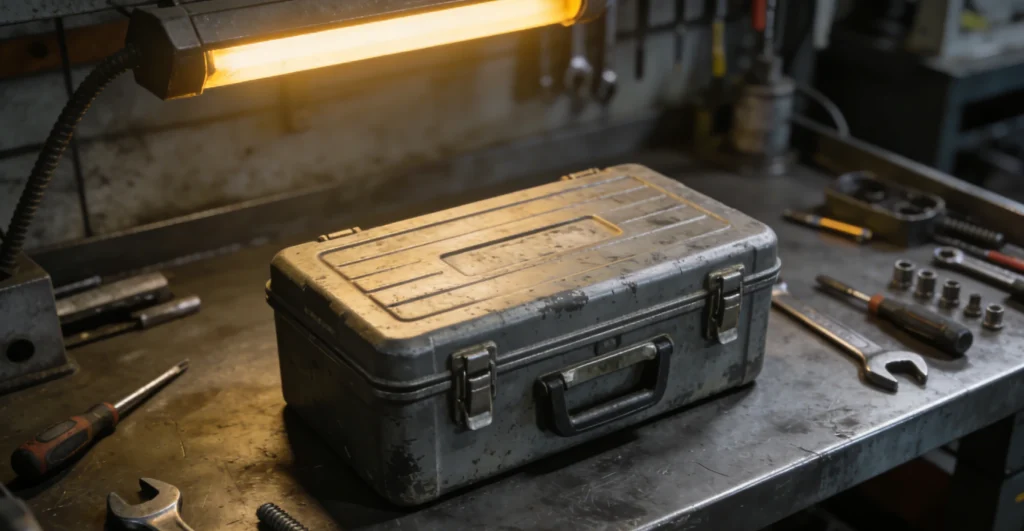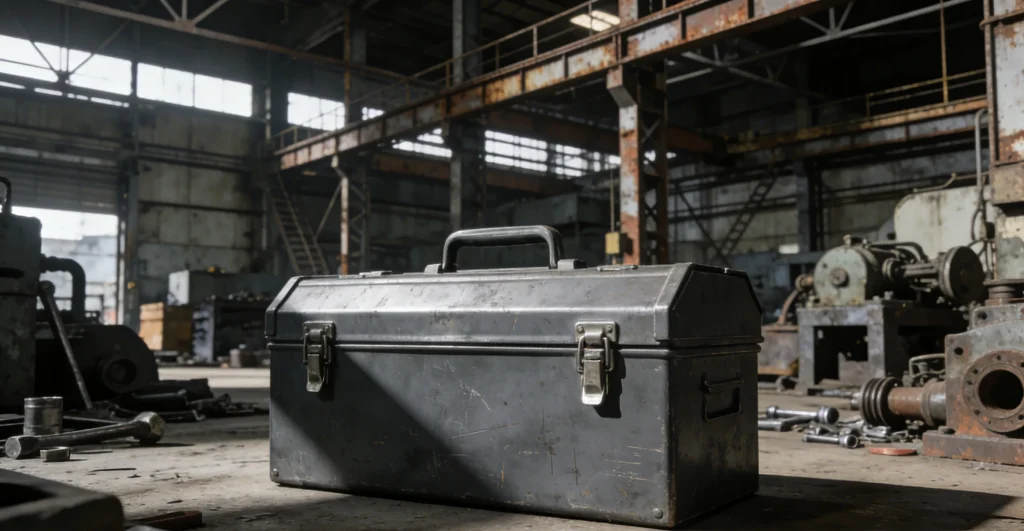
Lorry tool boxes are installed on the exterior of vehicles for long periods and need to withstand operating conditions such as road vibration, rainwater erosion, dust contamination, and temperature changes. Therefore, the material used for tool boxes must not only have sufficient strength but also provide advantages in terms of weight, corrosion resistance, and service life. Aluminum alloy is a material that has been widely used in lorry tool box manufacturing due to these requirements. Compared with ordinary steel, aluminum alloy has the characteristics of lightweight, strong corrosion resistance, and good processing performance. It can meet the storage requirements of tools while reducing additional vehicle load. During transportation, every additional amount of weight can affect fuel consumption and cargo efficiency, so tool boxes cannot use materials that are too heavy.
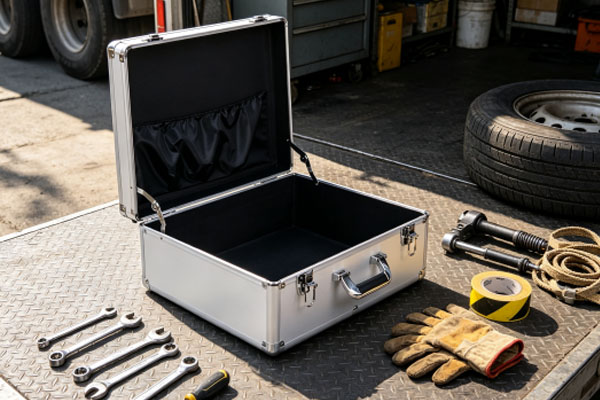
Aluminum alloy tool boxes can reduce their own weight while maintaining structural stability, making them more suitable for vehicle lightweight design requirements. In addition, trucks often operate in outdoor environments. Ordinary metal materials are prone to corrosion after long-term exposure to rainwater and humid air, while aluminum alloy surfaces can form a protective oxide film that improves corrosion resistance. Furthermore, aluminum alloy surfaces can undergo treatments such as anodizing and powder coating, giving tool boxes better appearance and surface protection performance. Therefore, aluminum alloy has gradually become one of the more common material choices for lorry tool box manufacturing.
Why Is Aluminum Alloy Suitable for Manufacturing Lorry Tool Boxes?
Lightweight Design Reduces Vehicle Load
Lorry tool boxes are usually installed on the side of the vehicle frame, chassis areas, or beneath the cargo compartment. If the tool box itself is too heavy, it will increase the overall vehicle load. The density of aluminum alloy is lower than that of steel, so it can reduce the weight of the tool box while achieving sufficient structural strength. This provides significant advantages for long-distance transport vehicles because they need to consider fuel consumption, loading capacity, and driving stability. Lightweight design does not mean insufficient strength. Through reasonable box thickness design, reinforced ribs, and optimized structures, aluminum alloy tool boxes can still meet the storage needs of daily repair tools and equipment.
Corrosion Resistance Adapts to Outdoor Environments
Lorry tool boxes are exposed to the outside of vehicles for long periods and are affected by rainwater, mud, sand, and air humidity. Ordinary steel tool boxes may develop rust after long-term use if proper protection is not applied. This is especially true in coastal areas, regions with frequent rainfall, or winter environments where road salt is used, as metal corrosion may accelerate. Aluminum alloy surfaces naturally form an oxide film, which provides a certain level of protection and reduces the possibility of further corrosion. Therefore, aluminum alloy tool boxes are more suitable for installation on the exterior of trucks and can reduce damage caused by environmental factors.
What Advantages Do Aluminum Alloy Tool Boxes Have?
Stable Structure
During operation, trucks continuously experience road impacts, especially on engineering roads, rural roads, or construction areas where vehicle vibration is more noticeable. Tool boxes need to withstand this vibration environment for long periods. If the material strength is insufficient, problems such as box deformation or loose connections may occur. Aluminum alloy has a good strength-to-weight ratio and can be processed into stable box structures through proper manufacturing methods. During production, reinforcing ribs, folded edges, and reinforced connections can also be added to improve the overall load-bearing capacity of the tool box.
More Flexible Surface Processing Methods
Aluminum alloy is not only suitable for manufacturing tool boxes due to its material properties but also allows various surface treatments. Common processing methods include anodizing, sandblasting, and powder coating. These treatments can change the appearance of the tool box while improving surface wear resistance. Lorry tool boxes can be customized in colors such as silver, black, and gray according to vehicle styles, or receive customized coatings based on company requirements.
Main reasons why aluminum alloy is commonly used for lorry tool boxes:
Lightweight: Reduces additional vehicle load and better meets truck lightweight requirements.
Strong corrosion resistance: Suitable for long-term outdoor installation environments.
Good processing performance: Allows the production of tool boxes with different sizes and structures.
Long-lasting appearance: Provides good visual performance after surface treatment.
How Does Aluminum Alloy Differ from Other Materials?
More Lightweight Compared with Steel Tool Boxes
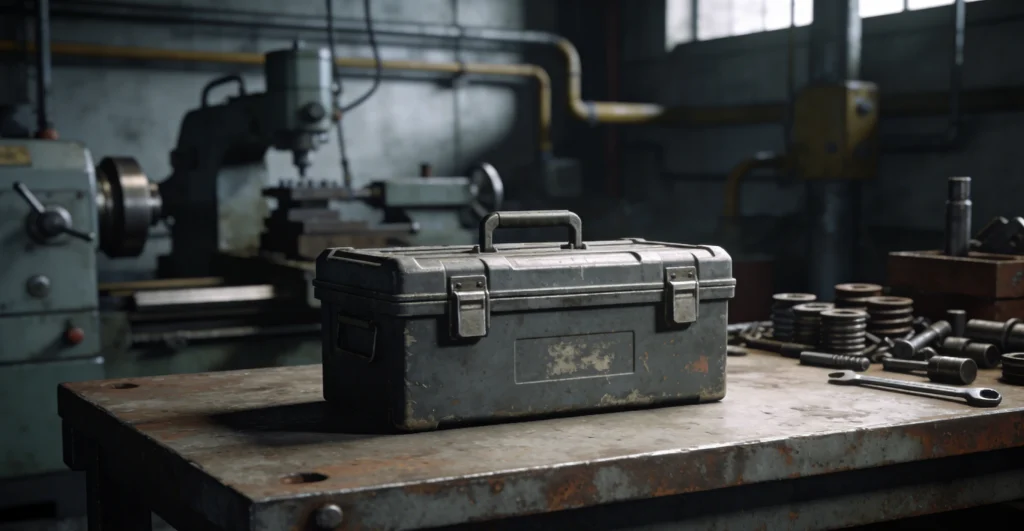
Steel has high strength, so many tool boxes were traditionally made from steel sheets. However, steel tool boxes are heavier, and when the size increases, transportation and installation become more difficult. At the same time, steel requires protection methods such as painting or coating to prevent rust. Once the protective layer is damaged, the internal metal may be exposed to corrosion. Although aluminum alloy may not be as hard as some high-strength steels, through reasonable structural design, it can meet most truck maintenance requirements while reducing weight.
Stronger Compared with Plastic Tool Boxes
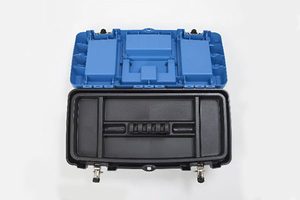
Plastic tool boxes are lightweight and have certain waterproof properties, but they may experience aging or cracking under high temperatures, impacts, and long-term vibration conditions. Lorry tool boxes need to handle more complex operating environments, so metal materials are usually more reliable. Aluminum alloy provides good durability while avoiding severe rust problems like steel, making it a common choice for external vehicle tool boxes.
Frequently Asked Questions
Q1: Is the Strength of Aluminum Alloy Tool Boxes Sufficient?
Answer: Yes. Lorry tool boxes are not structural components designed to withstand large mechanical pressures. Their main function is to store tools and equipment. With reasonable thickness design and reinforced structures, aluminum alloy tool boxes can meet daily vehicle usage requirements.
Q2: Are Aluminum Alloy Tool Boxes Easily Deformed?
Answer: Under normal use conditions, they are not easily deformed. High-quality aluminum alloy tool boxes improve deformation resistance through reinforcing ribs, folded edges, and support structures. If subjected to severe impacts, any material may be damaged.
Q3: Why Do Many Trucks Not Use Ordinary Iron Boxes?
Answer: Ordinary iron boxes have relatively high strength, but they are heavier and more susceptible to corrosion during long-term outdoor use. Aluminum alloy provides a better balance between weight and corrosion resistance.
Q4: Do Aluminum Alloy Tool Boxes Require Maintenance?
Answer: Yes, simple maintenance is required. During daily use, the surface should be cleaned regularly, and locks, sealing strips, and mounting brackets should be inspected. If obvious surface scratches appear, they should be treated promptly.
Lorry tool boxes use aluminum alloy mainly because this material can better meet the requirements of vehicle operating environments. It has advantages such as lightweight properties, corrosion resistance, easy processing, and good appearance retention. During long-term transportation, it can reduce vehicle load while improving tool box stability. Although a tool box is not a core vehicle component, it needs to withstand long-term exposure to external environmental conditions. If the material selection is unsuitable, problems such as corrosion, deformation, and frequent repairs may occur. Aluminum alloy helps reduce these issues through its own material characteristics.
When selecting aluminum alloy tool boxes, attention should also be paid to panel thickness, structural design, lock quality, and installation methods. A high-quality tool box depends not only on the material itself but also on proper manufacturing processes. Different vehicle operating environments will also affect the choice. For ordinary logistics transport vehicles, aluminum alloy tool boxes can meet daily maintenance requirements. For engineering vehicles or vehicles operating in complex environments, reinforced structures should be selected to improve impact resistance.