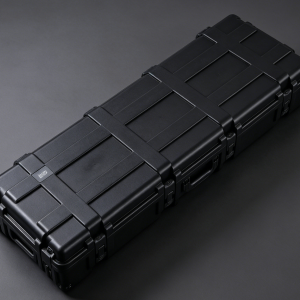
Construction sites usually involve various types of tools, frequent movement, and complex working environments. Workers need to carry electric drills, wrenches, measuring instruments, fasteners, and different maintenance tools. If tools are not stored properly, they can easily be damaged, and work efficiency on site may also be affected. Therefore, choosing a suitable aluminum tool box for construction environments requires comprehensive consideration of load capacity, protection performance, internal structure, usage methods, and site management requirements. Aluminum tool boxes are widely used in construction, equipment installation, engineering maintenance, and outdoor operations due to their lightweight design, stable structure, and good corrosion resistance. Different construction projects have different requirements for tool storage. When purchasing, construction companies should select the appropriate aluminum tool box model according to tool types and working conditions.
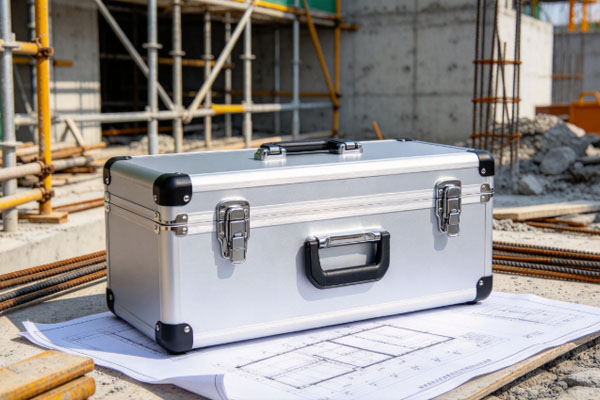
Common Types of Aluminum Tool Boxes Used on Construction Sites
Heavy-Duty Aluminum Tool Boxes Are Suitable for Large Construction Projects
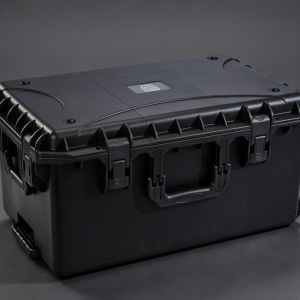
Large-scale construction projects, road construction, and equipment installation sites usually require workers to carry a large number of tools and auxiliary materials. Standard tool boxes may not meet long-term usage requirements. Heavy-duty aluminum tool boxes use thicker aluminum plate structures and improve overall strength through reinforced corners, strengthened latches, and other structural designs, allowing them to withstand frequent handling and use in complex environments.
These types of tool boxes are suitable for storing:
- Power tools, such as impact drills, cutting machines, and small equipment;
- Hardware tools, such as hammers, socket sets, and pliers;
- Engineering accessories, such as bolts, connectors, and installation parts;
- Safety equipment, such as gloves, protective glasses, and measuring devices.
On construction sites, tool boxes need to provide not only transportation functions but also protection against dust, rain, impacts, and other conditions. Aluminum boxes with sealed structures and wear-resistant surfaces can reduce the impact of external environments on tools and improve storage safety.
How to Choose Aluminum Tool Boxes Based on Different Construction Needs
Portable Aluminum Tool Boxes Are Suitable for Mobile Construction Work
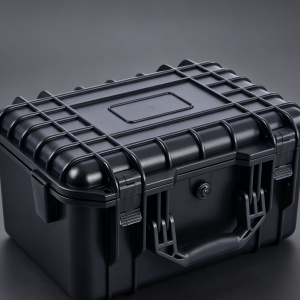
For jobs that require frequent movement, such as electrical installation, pipeline repair, and equipment maintenance, portable aluminum tool boxes are more suitable. These tool boxes are usually smaller in size and equipped with handles, making them convenient for workers to carry to different work areas. The interior can be designed with foam padding, adjustable dividers, or tool trays according to tool sizes, keeping wrenches, instruments, and testing equipment in fixed positions and reducing damage caused by tool collisions during transportation.
Common application scenarios include:
- Electrical engineering maintenance
- Mechanical equipment inspection and repair
- Industrial production line maintenance
- On-site technical services
For construction tasks involving precision measuring instruments or electronic equipment, aluminum tool boxes with internal protection structures can provide a more stable transportation environment.
Vehicle-Mounted Aluminum Tool Boxes Are Suitable for Long-Term Engineering Transportation
Some construction projects have long operating periods and require engineering vehicles to transport tools. Vehicle-mounted aluminum tool boxes are usually installed on trucks, engineering vehicles, or trailers. They can securely store large quantities of equipment while reducing the use of vehicle space.
Common designs for vehicle-mounted tool boxes include:
- Side-opening tool boxes for quick tool access;
- Drawer-style structures for convenient parts organization;
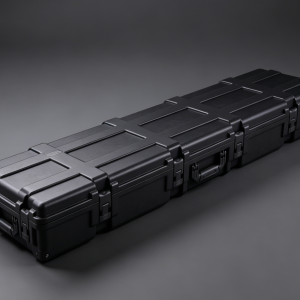
- Large-capacity boxes for storing larger equipment;
- Waterproof sealed structures suitable for outdoor construction environments.
Fixed tool storage methods can reduce scattered tools, improve site management efficiency, and allow workers to quickly find the required equipment.
What Structural Designs Are Needed for Aluminum Tool Boxes?
Box Material and Load Capacity Affect Service Life
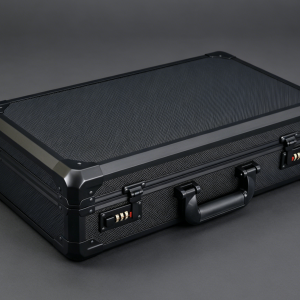
Tool boxes used on construction sites need to withstand long-term handling, vibration, and impact, making the quality of the box material very important. High-quality aluminum tool boxes usually use aluminum alloy materials with sufficient strength and improve stability through reinforcement ribs, folded-edge structures, or welding processes.
When selecting a tool box, attention can be paid to: whether the aluminum plate thickness meets daily load requirements; whether the corners use reinforced protection designs; whether the opening and closing structure is durable; and whether the locks and hinges are suitable for frequent use.
A reasonable structural design can reduce the risk of deformation and help the tool box maintain stable performance during long-term use.
Internal Layout Determines Tool Management Efficiency
Construction sites usually involve many different tools. If the internal space is not properly designed, tools may become mixed together, making them difficult to find. Therefore, the internal configuration of an aluminum tool box is also an important factor when making a selection.
Common internal designs include:
- Foam custom liners for protecting precision tools
- Divider structures for separating different types of equipment
- Multi-layer tray designs for improving space utilization
- Tool fixing slots for reducing movement during transportation
For different construction projects, the internal layout can be customized according to actual tool sizes, allowing the tool box to provide not only storage functions but also become a mobile tool management solution for construction sites.
Frequently Asked Questions
Does an Aluminum Tool Box Used on Construction Sites Need Waterproof Features?
Yes. Construction environments are often affected by rain, dust, and mud, especially in outdoor working areas. If a tool box lacks sealing protection, tools may rust and electronic equipment may become damaged due to moisture. Aluminum tool boxes equipped with sealing strips, waterproof locks, and dust-resistant designs are more suitable for construction sites, road projects, and outdoor maintenance environments.
Are Aluminum Tool Boxes Suitable for Storing Large Power Tools?
Yes, but the correct specification should be selected according to tool weight. Small portable tool boxes are more suitable for hand tools and testing equipment, while large heavy-duty aluminum tool boxes are better for storing electric drills, cutting equipment, and construction accessories. If the tools are heavy, a reinforced box structure should be selected, and the load capacity of the bottom panel and transportation method should also be considered.
When selecting an aluminum tool box for construction sites, it is necessary to consider the actual working environment, tool types, and transportation methods. Large construction projects are generally more suitable for high-strength, large-capacity aluminum tool boxes to meet the need for centralized storage of many tools. Technical personnel who frequently move between work areas can choose portable aluminum tool boxes to improve carrying convenience. A high-quality aluminum tool box not only protects construction tools but also helps teams establish a more organized tool management system. By optimizing internal space division, improving box protection performance, and enhancing carrying designs, tool loss can be reduced and on-site work efficiency can be improved. For engineering projects requiring long-term use, selecting aluminum tool boxes with strong structures, corrosion resistance, and customization capabilities can better adapt to complex construction environments and provide reliable support for tool transportation, storage, and site management.