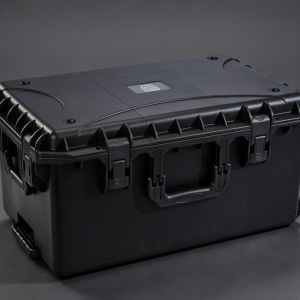
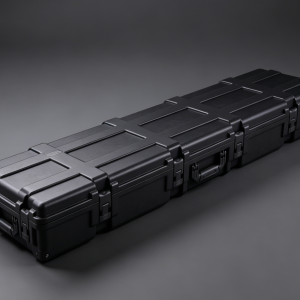
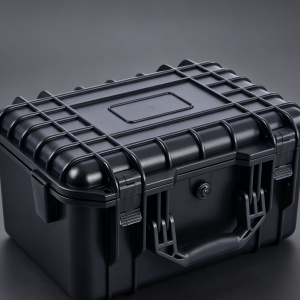
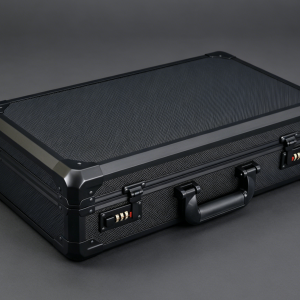
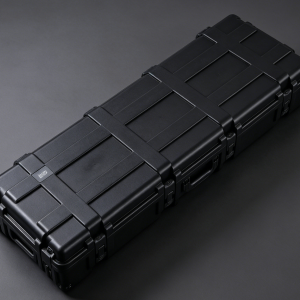
In industrial manufacturing, automotive repair, equipment maintenance, and construction, toolboxes do more than store, transport, and protect tools. Their colors can also influence tool identification, workspace organization, and brand image. Choosing the right toolbox color can help workers locate equipment more quickly, improve workplace organization, and increase overall efficiency. Understanding the functional value behind toolbox colors is therefore an important consideration when businesses purchase tool storage solutions.
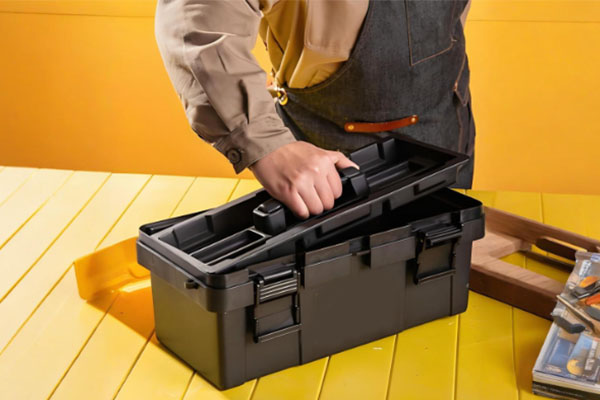
How Do Toolbox Colors Affect Daily Use?
Improve Tool Identification Efficiency
In workshops or warehouses with a wide variety of tools, workers need to identify and locate the right toolbox quickly. Classic colors such as black and gray are suitable for general tool storage, while red, yellow, and orange offer greater visual visibility and can be used for tools that require quick access.
By assigning different colors to specific categories, businesses can reduce the time spent searching for equipment and create a more organized working environment.
Support Tool Classification and Management
Businesses with multiple work areas can establish a consistent toolbox color-coding system. For example, blue toolboxes can be used for routine maintenance tools, yellow ones for on-site equipment, and green ones for specific maintenance tasks.
There is no universal industry standard for these color assignments. Companies should establish their own rules according to operational requirements and use labels or other markings to clearly identify the purpose of each color.
The Practical Value of Different Toolbox Colors
Black and Gray: A Professional and Durable Appearance
Black and dark gray toolboxes offer a clean, understated appearance, making them suitable for automotive repair shops, industrial production lines, and machinery maintenance environments.
These colors complement metal equipment, workbenches, and industrial interiors, helping maintain a consistent professional appearance. However, a dark-colored surface does not necessarily indicate greater wear resistance. Actual durability depends on the material, surface treatment, and structural design.
Red and Orange: Enhanced Visual Recognition
Red and orange are suitable for environments where tool storage locations need to be identified quickly, such as mobile repair services, outdoor construction, and equipment inspection sites.
Their bright appearance helps workers spot toolboxes against complex backgrounds and makes it easier for different teams to identify their assigned equipment. When used in safety management, these colors should be combined with appropriate workplace signage rather than serving as the sole safety indicator.
Yellow: Suitable for High-Visibility Applications
Yellow toolboxes create a strong visual contrast in warehouses, construction areas, and outdoor workplaces. They are particularly useful for equipment that needs to be moved frequently or located quickly.
In areas with poor lighting or visually complex surroundings, businesses should also consider lighting conditions, placement, and reflective markings to ensure that toolboxes remain easy to identify.
Blue and Green: Simplify Classification Systems
Blue can create a clean, organized visual environment and is suitable for classifying repair tools, inspection equipment, and routine maintenance supplies. Green can be assigned to designated equipment, specific production processes, or separate work areas.
Businesses can incorporate these colors into their internal management systems, making tool storage more intuitive and helping reduce the risk of equipment being mixed up between teams.
How to Improve Tool Storage Management Through Color
Choose Colors According to the Working Environment
Workshops and warehouses generally need to balance visual consistency with classification efficiency. Construction sites and outdoor repair environments often prioritize visibility, while automotive repair and equipment maintenance facilities may assign different colors to specific trades or maintenance teams.
When choosing toolbox colors, businesses should consider lighting, dust, oil contamination, frequency of use, and how the toolboxes will be transported.
Establish Consistent Color-Coding Rules
When purchasing toolboxes in bulk, businesses can assign colors to departments, job roles, equipment categories, or work areas. A simple color reference chart can help employees understand the system.
To prevent confusion, color assignments should remain consistent over time. Adding text labels, identification numbers, or QR codes can further improve equipment tracking. This approach allows employees working different shifts to understand where tools belong and how they should be used.
Consider Materials and Structure Alongside Color
Color is only one factor when selecting a toolbox. Metal and plastic toolboxes may differ in weight, load-bearing capacity, corrosion resistance, and suitability for particular working environments.
Purchasers should also evaluate box dimensions, internal compartments, latches, handles, surface finishes, and customization options. For products intended for long-term outdoor use, it is important to assess how ultraviolet exposure, temperature fluctuations, and moisture may affect the appearance and performance of the materials.
Purchasing Recommendations for Custom Toolbox Colors
For businesses in automotive repair, industrial manufacturing, construction, and equipment maintenance, customized toolbox colors can support both tool classification and brand recognition.
Before placing an order, purchasers should confirm the target colors, application scenarios, order quantities, material types, and surface finishes. They should also check color consistency between production batches.
If colors will be used for tool classification, businesses should plan labels, identification markings, and internal storage layouts in advance. This helps ensure that customization improves practical usability rather than focusing exclusively on appearance.
Siphia Box can serve as a reference for businesses exploring toolbox products and customization requirements. By evaluating color, materials, dimensions, and storage structure together, purchasing teams can make more informed decisions and select toolboxes that suit their operational workflows.
Conclusion
The value of toolbox colors extends beyond appearance. It includes visual identification, tool classification, workplace management, and brand presentation.
Black and gray suit professional and consistent industrial environments, while red, orange, and yellow can improve visual recognition. Blue and green can also be incorporated into business-specific classification systems.
By selecting toolbox colors according to actual working conditions, material performance, and storage requirements, businesses can establish a clearer and more efficient tool management system.