As industrial manufacturing, automotive repair, warehouse management, and outdoor construction place increasing demands on tool storage efficiency, toolbox color selection is evolving beyond appearance to focus on functionality and practicality. In 2026, toolbox colors for modern workplaces are increasingly considered in terms of visual identification, workspace coordination, classification management, and brand consistency. Choosing the right toolbox colors can improve workplace organization and help businesses establish a more efficient tool management system.
Key Toolbox Color Trends in 2026
Classic Neutral Colors Remain Popular
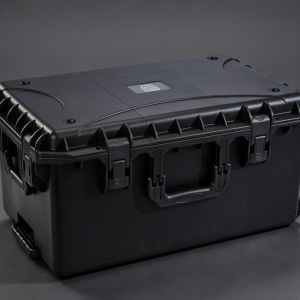
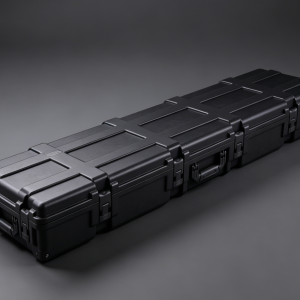
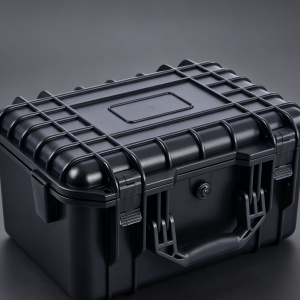
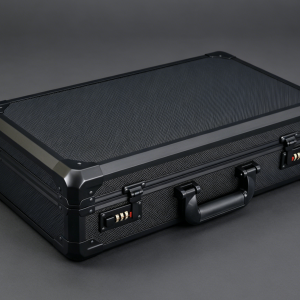
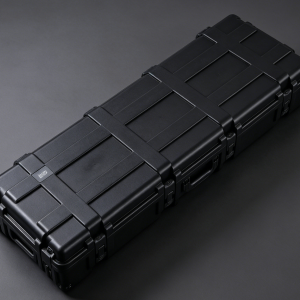
Neutral colors such as black, gray, and white are suitable for modern industrial environments. Black toolboxes offer a professional appearance and work well in automotive repair, mechanical processing, and equipment maintenance. Gray complements metal equipment, workbenches, and industrial shelving, while white suits laboratories, electronics repair areas, and precision equipment workspaces where a clean visual appearance is important.
For businesses that use toolboxes over long periods, neutral colors are easy to integrate into existing workplaces and simplify the procurement of storage products in different sizes. However, white surfaces tend to show dirt more easily, while black surfaces may produce noticeable glare under strong lighting. The working environment should therefore be considered before making a selection.
High-Visibility Colors Emphasize Practical Functionality
Red, orange, and yellow are suitable for workplaces where toolboxes need to be located quickly. In 2026, businesses planning tool storage systems can place greater emphasis on matching colors with specific tasks and equipment categories.
Red can identify designated repair tools or equipment requiring special attention. Orange is suitable for mobile repair services and outdoor operations, while yellow can improve visual recognition in warehouses and construction areas. However, colors alone cannot replace professional safety signs. Toolbox color schemes should comply with relevant workplace safety requirements.
Blue and Green Support Tool Classification
Blue and green offer useful visual distinctions and are suitable for classifying tools across multiple departments and job roles. Businesses can assign blue toolboxes to routine maintenance teams and green ones to designated equipment or separate work areas. Numbers, labels, and QR codes can then be added to establish a more complete management system.
This approach is particularly useful in large repair workshops, manufacturing plants, and equipment service teams. It helps employees identify tool ownership quickly and reduces the risk of tools being misplaced or mixed up.
Which Toolbox Colors Suit Different Work Environments?
Automotive Repair and Mechanical Processing
Automotive repair shops frequently handle oil, metal components, and a wide range of tools. Black and dark gray toolboxes complement professional repair environments, while red or orange can distinguish frequently used tools, specialized equipment, or mobile repair kits. Businesses can establish consistent color-coding standards based on different maintenance tasks.
Warehouse Management and Industrial Manufacturing
Warehouses and production facilities often need to manage multiple categories of tools and equipment simultaneously. Different colors, including blue, green, and yellow, can help distinguish work areas, tool categories, and departments. For large-scale tool storage systems, combining color coding with shelf numbers and digital inventory management can further improve retrieval efficiency.
Construction Sites and Outdoor Maintenance
Outdoor construction environments are often affected by changing lighting conditions, dust, and weather. Bright colors such as orange and yellow help workers locate toolboxes more easily. For products that require frequent transportation, businesses should also evaluate box strength, handle design, dust resistance, and latch reliability rather than choosing a toolbox based on color alone.
Laboratories and Precision Equipment Maintenance
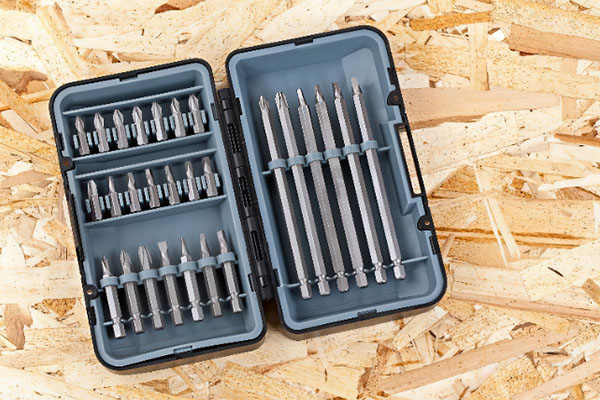
Laboratories and precision equipment maintenance areas place greater emphasis on visual organization and tool classification. Gray, white, and blue can help create a clean and consistent workspace. Toolboxes should also feature suitable internal compartments and protective structures to reduce the risk of precision tools being damaged during transportation or storage.
Practical Tips for Choosing Toolbox Colors in 2026
Keep Colors Consistent with Management Rules
Before purchasing toolboxes, businesses should define how colors correspond to departments, job roles, or tool categories and establish consistent classification rules. The color system should not be overly complicated, as excessive color variations can make it harder for employees to remember the assignments. Text labels and identification numbers can provide additional guidance for similar colors or specialized applications.
Consider Materials and Surface Finishes
Plastic and metal toolboxes differ in weight, impact resistance, load-bearing capacity, and suitability for different working environments. During procurement, businesses should evaluate material performance, structural design, surface finishes, and frequency of use.
For customized toolbox colors, purchasers should also confirm color samples, surface effects, and consistency between production batches.
Customize Colors to Match Brand Identity
For businesses purchasing toolboxes in bulk, color is also an opportunity to strengthen brand recognition. Companies can combine their primary brand colors with basic shades such as black and gray, using logos, labels, and consistent exterior designs to create a recognizable product appearance.
Siphia Box can serve as a reference for businesses exploring toolbox products and customization requirements, helping purchasing teams evaluate storage solutions according to their actual working environments.
Conclusion
In 2026, toolbox color selection places greater emphasis on practicality, identification efficiency, and coordination with the overall working environment. Black and gray suit professional industrial settings, red, orange, and yellow improve visual recognition, and blue and green are useful for establishing tool classification systems.
Businesses should select toolbox colors by considering working conditions, usage requirements, material performance, and management practices. The right color strategy can create a more organized storage environment, improve equipment management, and support more efficient daily operations.