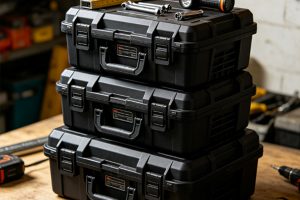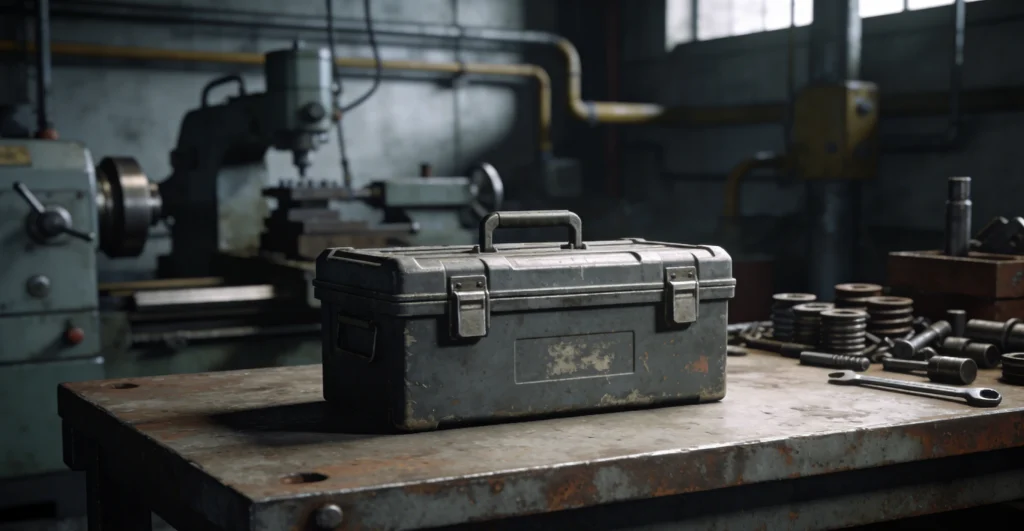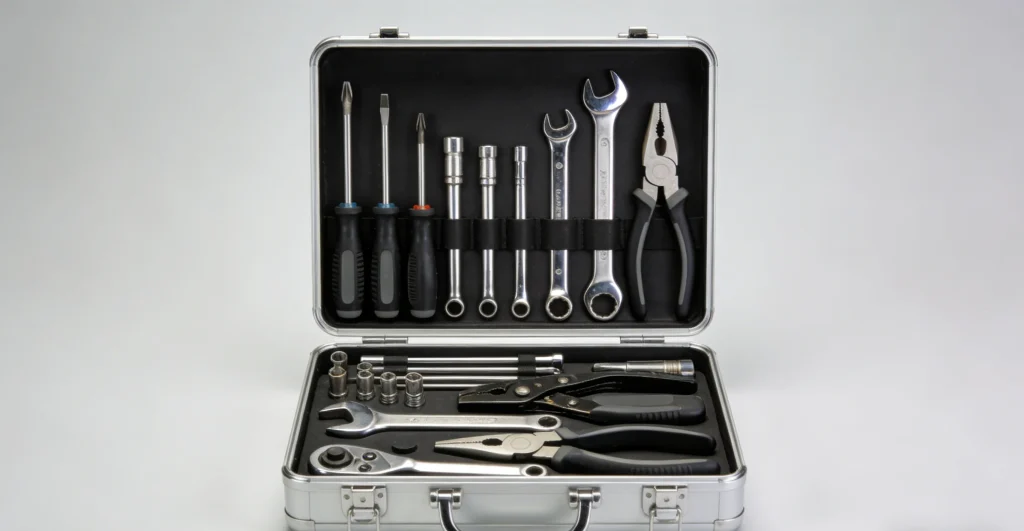
Auto repair work involves a wide variety of tools every day, from wrenches and socket sets to diagnostic equipment and countless small parts. Without proper organization, tools can quickly become messy, difficult to find, and time-consuming to manage, which directly reduces work efficiency. Experienced mechanics often pay close attention to toolbox selection because a well-designed drawer toolbox not only improves tool organization but also makes the entire repair process smoother and more efficient. In the automotive repair industry, where tools are used constantly throughout the day, choosing the right drawer toolbox has become an essential part of improving workflow and productivity.
Choosing Drawer Structures Based on Tool Types
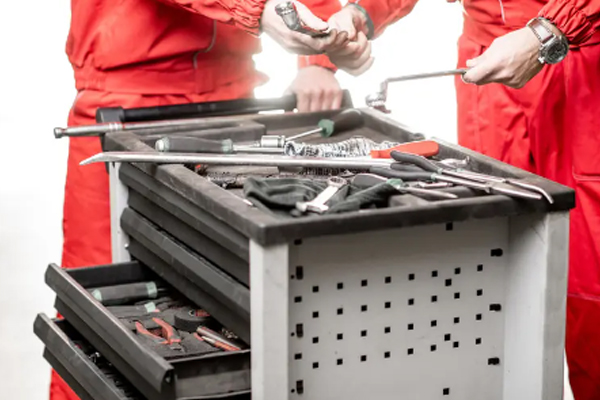
Automotive repair tools come in many sizes and categories, and different repair tasks require different equipment. If all tools are stored together without proper organization, work efficiency decreases and tools can easily become damaged or lost. For this reason, the internal structure of a drawer toolbox is extremely important for mechanics.
Multi-Layer Drawer Design
A multi-layer drawer system allows frequently used tools and larger equipment to be stored separately, making access easier and reducing unnecessary searching during repairs.
- Top drawers are ideal for commonly used wrenches and screwdrivers
- Middle drawers can store diagnostic equipment and power tools
- Bottom drawers are suitable for large socket sets or backup tools
- Clear organization keeps the toolbox tidy over long-term use
Small Drawers for Parts Storage
Auto repair work often involves screws, clips, washers, and other small accessories. Without dedicated storage space, these parts can easily become mixed together or lost.
- Small compartments prevent parts from mixing
- Transparent designs allow quick identification
- Reduces time spent searching for components
- Improves overall repair efficiency
Modular Drawer Structures
For mechanics with a large variety of tools or constantly changing work requirements, modular drawer systems provide greater flexibility and more convenient organization.
- Drawers can be rearranged or combined freely
- Storage layout can be adjusted for different repair projects
- Ideal for high-frequency professional use
Choosing Size and Materials Based on Workshop Environment
Different repair environments require different toolbox sizes and materials. Small garages, large repair workshops, and mobile repair services all have unique requirements regarding capacity, mobility, and durability.
Compact Toolboxes for Small Workshops
Repair spaces with limited room benefit from compact drawer toolboxes that maximize storage while minimizing occupied space.
- Vertical designs save floor space
- Reasonable drawer quantity improves organization
- Can fit under workbenches easily
- More convenient for moving around
Horizontal Combination Structures for Medium Workshops
Medium-sized repair workshops usually require larger storage capacity, and horizontal combination drawer toolboxes provide better accessibility and efficiency.
- Horizontal layouts allow access to multiple tools at once
- More detailed storage compartments
- Suitable for high-frequency repair environments
High-Capacity Toolboxes for Large Workshops
Large repair centers and professional automotive shops often need to store a significant amount of equipment, making high-capacity drawer toolboxes the ideal solution.
- Can hold large diagnostic equipment and power tools
- Deep drawers fit oversized socket tools
- Stronger and more durable overall structure
- Suitable for long-term professional automotive repair use
Material Choice Affects Durability
The material of a drawer toolbox directly affects its load capacity and service life, especially in high-frequency repair environments.
- Metal structures provide stronger impact resistance
- Plastic materials are lightweight and easy to move
- Composite materials balance durability and portability
Slides and Additional Features Affect User Experience
Besides capacity and layout, the smoothness and functional details of a drawer toolbox significantly influence a mechanic’s daily workflow. A toolbox that operates smoothly and moves easily can make repair tasks more efficient.
High-Quality Drawer Slides Improve Efficiency
Drawer slides determine how smoothly the toolbox operates. Poor-quality slides may become stuck or damaged after long-term use, reducing efficiency.
- Smooth opening and closing without jamming
- Strong load-bearing performance
- Better long-term stability
- Reduces drawer shaking during use
Anti-Drop Structures Improve Safety
Toolboxes are often moved around repair shops, so anti-drop designs help prevent drawers from sliding out accidentally during transport.
- Prevents drawers from falling out
- Keeps tools stable during movement
- Protects tools from damage
Additional Features Improve Convenience
Some drawer toolboxes include wheels, locks, and dustproof structures to further improve the user experience.
- Wheels make movement easier
- Locks improve tool security
- Dustproof structures reduce cleaning needs
- More suitable for long-term workshop environments
For auto mechanics, a durable and well-organized drawer toolbox is more than just a storage solution—it is an important tool for improving work efficiency. From drawer layouts and storage capacity to materials and slide systems, every detail affects the overall user experience. Choosing the right toolbox keeps tools organized and makes repair work smoother and more efficient. SIPHIA BOX focuses on creating drawer toolboxes designed specifically for automotive repair environments, helping mechanics achieve more professional and efficient tool organization.