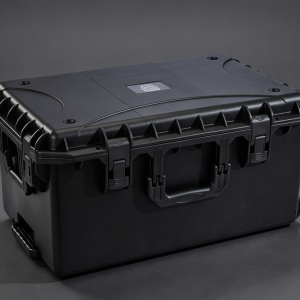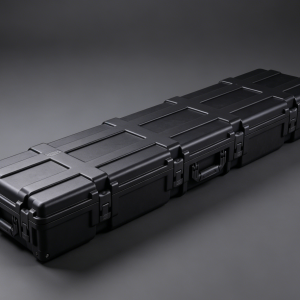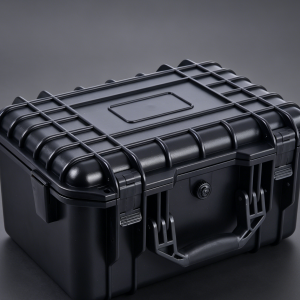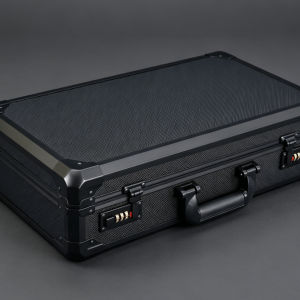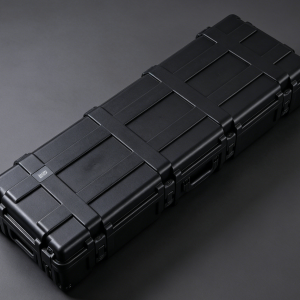
In home repairs, automotive maintenance, and industrial workshops, the size of a toolbox not only affects storage efficiency and tool organization but also directly impacts work convenience and space utilization. Different specifications of toolboxes are designed with varying lengths, widths, and heights, ranging from portable compact models to heavy-duty industrial units. Understanding the common size ranges helps users select more accurately based on real needs, improving tool management efficiency and overall workflow.
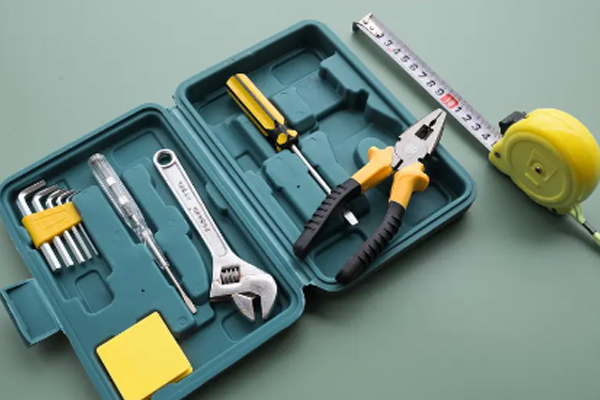
Basic Classification of Toolbox Sizes
Toolbox sizes are generally categorized based on capacity, usage environment, and the number of tools, ensuring each type performs optimally in its intended scenario.
- Small toolboxes are typically 30–45 cm in length, 15–25 cm in width, and 10–20 cm in height, suitable for home repairs and lightweight tool carrying, making them easy to store in vehicles or cabinets.
- Medium toolboxes are usually 50–65 cm long, 25–30 cm wide, and 20–35 cm high, suitable for automotive repair and general industrial use, offering enough capacity for various hand and power tools.
- Large toolboxes range from 70–120 cm in length, 35–50 cm in width, and 40–60 cm in height, ideal for workshops or heavy-duty tool storage, providing ample space for systematic tool organization.
Different sizes are designed for different workloads and tool quantities, so selection should be based on actual needs.
Features and Uses of Small Toolboxes
Small toolboxes focus on portability and basic tool storage, making them ideal for home and light-duty repair scenarios.
- Compact size allows easy storage in car trunks or home cabinets while saving space and ensuring quick access.
- Mainly used for storing screwdrivers, pliers, and small wrenches, meeting basic daily maintenance needs.
- Simple internal structure makes it easy to organize and quickly access tools while keeping them neat.
Small toolboxes are best suited for users with fewer tools who require frequent mobility.
Mainstream Medium Toolbox Advantages
Medium toolboxes strike a balance between capacity and portability, making them the most commonly used type in the market.
- Capable of storing power tools, hand tools, and accessories for versatile applications.
- Multi-drawer designs help classify tools efficiently and improve retrieval speed.
- Suitable for automotive repair, equipment maintenance, and moderate industrial tasks.
- Well-balanced in weight and capacity, making them practical for professional daily use.
Medium toolboxes are widely favored due to their flexibility and practicality.
Industrial Applications of Large Toolboxes
Large toolboxes are designed for industrial workshops and professional environments, requiring strong load-bearing capacity and large storage space.
- Capable of storing large quantities of heavy-duty tools and complex equipment.
- Made with thickened metal materials to ensure long-term durability and structural stability.
- Equipped with wheels for easy movement within workshops, reducing physical effort.
- Internal compartments are more detailed, allowing systematic organization of various tools.
Large toolboxes are ideal for high-intensity, long-term industrial use.
Key Considerations for Choosing Toolbox Size
When selecting a toolbox size, it is important to consider usage scenarios, tool quantity, and material characteristics to ensure the right fit for practical needs.
- Home users or light-duty applications should choose small or medium toolboxes for better portability and convenience.
- Automotive repair and general workshop use are better suited for medium toolboxes that balance capacity and flexibility.
- Industrial environments or heavy-duty applications should opt for large reinforced toolboxes for maximum durability.
- A well-designed internal layout improves organization and quick tool access, reducing clutter and saving time.
- Considering metal material properties alongside size helps extend service life and improve overall user experience.
Proper toolbox selection significantly enhances efficiency and workspace organization.
Although toolbox sizes follow general standards, actual selection should always be based on working environment, tool types, and metal material characteristics. Only a properly matched toolbox can truly improve storage efficiency and usability. If you are looking for high-quality, multi-size professional solutions, SIPHIA BOX offers durable metal toolboxes designed to meet a wide range of industrial and household needs.