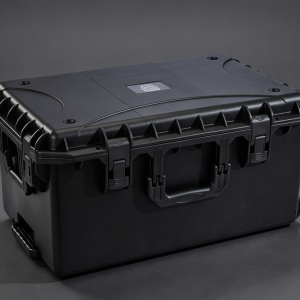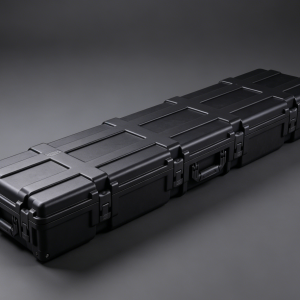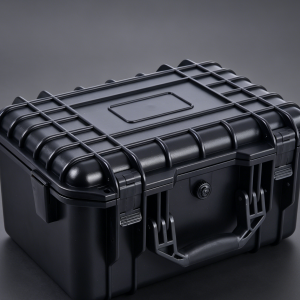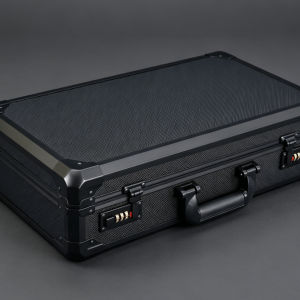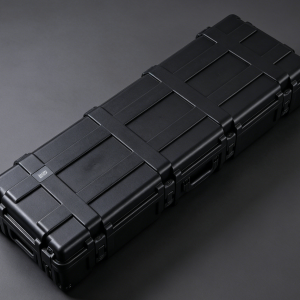
Toolbox size plays a crucial role in the selection process, with different sizes catering to different usage needs and storage capabilities. While the market offers a variety of toolbox sizes, ranging from small portable models to large professional ones, the most widely used are concentrated in a few common size ranges. These sizes typically balance the number of tools, portability, and storage space efficiency, making them frequently used in home repairs, car maintenance, and routine engineering work. Understanding common toolbox sizes helps in making a quick and appropriate choice when purchasing.
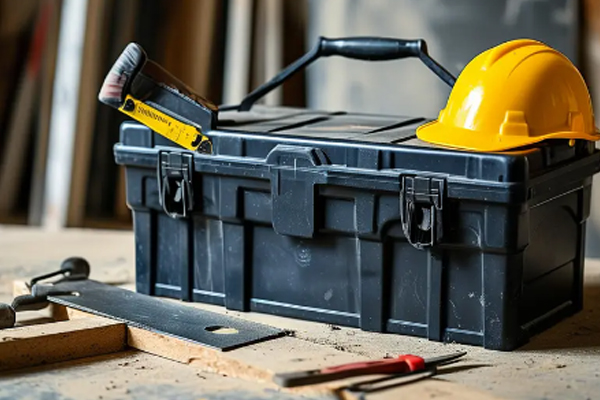
Common Size Ranges for Small Toolboxes
Small toolboxes are typically used to store basic repair tools, suitable for everyday home use or light repair scenarios. They are small in size and lightweight, making them easy to store in drawers, cabinets, or in a car.
Common small toolbox sizes include:
- Length approximately 20cm to 30cm
- Width approximately 10cm to 20cm
- Height approximately 8cm to 15cm
- Single-layer or simple compartment structure
This size is suitable for storing screwdrivers, small pliers, measuring tapes, and a small number of fasteners. Due to its limited size, it is more suitable for users with a small number of tools. Portability is its main feature, making it suitable for simple daily repair tasks.
Mainstream Sizes and Structures of Medium-Sized Toolboxes
Medium-sized toolboxes are the most frequently used in the market, meeting the needs of most home repairs and automotive emergency repairs. These toolboxes strike a balance between capacity and portability, thus having a wide range of applications.
Common medium-sized toolbox sizes include:
- Length approximately 30cm to 45cm
- Width approximately 20cm to 30cm
- Height approximately 15cm to 25cm
- Multi-layer or drawer-style structures are common.
Medium-sized toolboxes can hold screwdriver sets, wrench sets, electrical tools, and some small power tool accessories. The interior is usually designed with dividers to help categorize and store tools. For vehicle use, this size does not take up too much space and can meet emergency repair needs.
Common Specifications and Characteristics of Large Toolboxes
Large toolboxes are mainly used for professional repairs or work environments with a large number of tools. They have a larger capacity and a more complex structure, suitable for long-term fixed use or on-site engineering applications. Common sizes for large toolboxes include:
- Length approximately 45cm to 70cm
- Width approximately 25cm to 40cm
- Height approximately 25cm to 45cm
- Multi-drawer or modular design
These toolboxes can store complete tool sets, including power tools, socket wrenches, measuring tools, and numerous accessories. Some models also feature sliding drawers or a modular design for easy categorization and management. Although larger in size, they significantly improve tool management efficiency in professional environments.
Common Sizes of Vehicle Toolboxes
Vehicle toolboxes need to balance space utilization and emergency functionality; therefore, their size is usually compact, allowing them to be placed in the trunk or under the seat without affecting normal vehicle use. Common car toolbox sizes include:
- Length approximately 25cm to 40cm
- Width approximately 15cm to 25cm
- Height approximately 10cm to 20cm
- Primarily designed for easy carrying
This size is suitable for storing car emergency tools, such as tire repair tools, basic wrench sets, battery cables, etc. The structural design typically emphasizes stability and shock resistance to ensure tools do not fall out or get damaged while the vehicle is in motion.
Considerations for Choosing Different Sizes
When choosing a toolbox size, it’s necessary to consider the number of tools, the usage environment, and carrying requirements. Different sizes offer different user experiences.
Key considerations when choosing:
- The matching degree between the number of tools and the size
- Whether frequent carrying is required
- Whether there are space limitations
- Whether a multi-layered classification structure is needed
Small toolboxes are suitable for lightweight use, medium-sized toolboxes are suitable for daily maintenance, large toolboxes are suitable for professional work, and car toolboxes are geared towards emergency use. Choosing the right size can improve tool usage efficiency while reducing space waste.