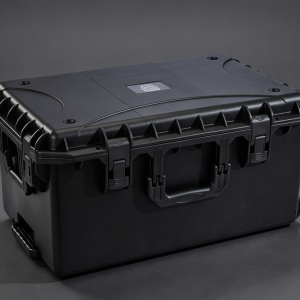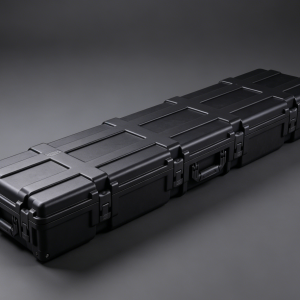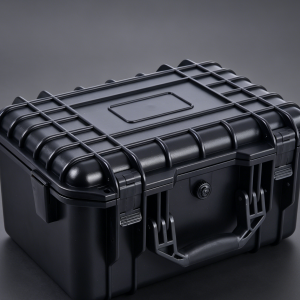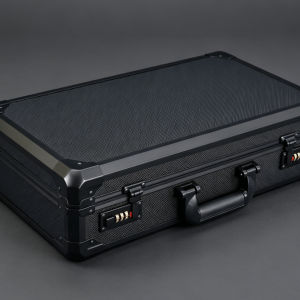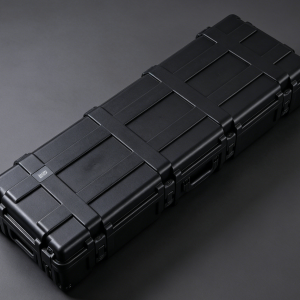
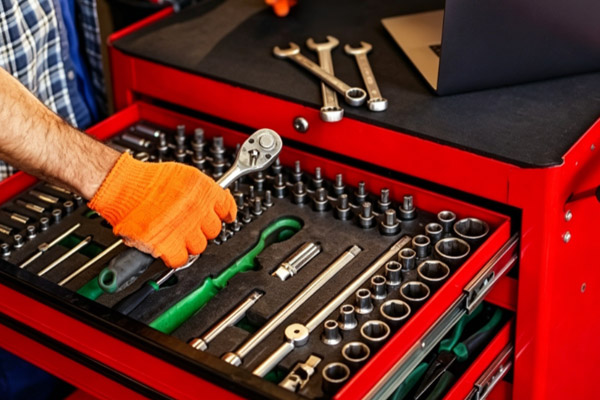
In industries such as manufacturing, automotive repair, equipment maintenance, and construction, tool management efficiency directly impacts work quality and project progress. As the variety and quantity of tools continue to grow, more businesses and technicians are turning to box tool carts for centralized tool storage and organization. However, box tool carts on the market vary significantly in size, structure, capacity, and functionality. Choosing the wrong model can negatively affect user experience, waste valuable space, and reduce management efficiency. Understanding the key factors involved in selecting a box tool cart and matching its configuration to actual work requirements can help maximize its value in tool management and improve overall productivity.
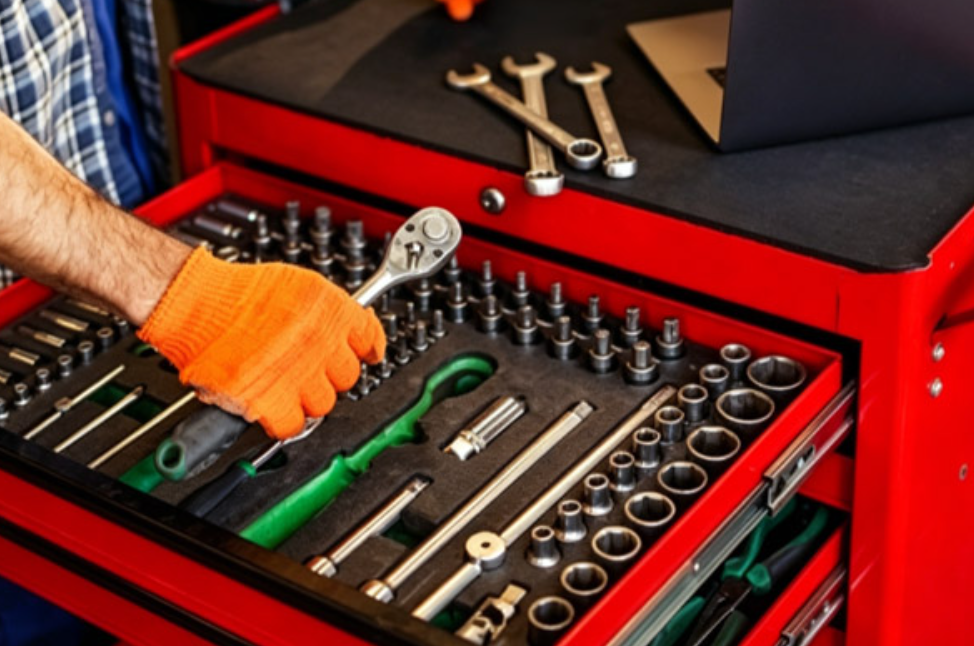
Choose the Right Capacity Based on Tool Quantity
Capacity is one of the most important factors to consider when purchasing a box tool cart. Different work environments require different amounts of tools, making proper storage planning essential.
Small Tool Setups
For home DIY projects or light maintenance tasks, a compact tool cart is often sufficient.
- Basic tools such as screwdrivers, pliers, and tape measures can be stored together, improving daily accessibility and organization.
- Its smaller footprint makes it ideal for garages, storage rooms, or home workshops while helping save space.
- The lighter overall weight also makes it easier to move between different work areas.
Choosing an appropriate capacity can greatly improve convenience in daily use.
Large Tool Setups
Professional repair environments typically require storage for a larger number of tools and equipment.
- A large-capacity box tool cart can accommodate power tools, diagnostic equipment, and various maintenance accessories.
- Multiple drawers allow independent categorization, keeping tools organized and easy to locate.
- As tool collections grow over time, there is no need to frequently replace the cart, making it suitable for long-term expansion.
Adequate storage space can significantly improve overall management efficiency.
Choose Based on Structural Design
The structure of a tool cart determines how it is used and how efficiently tools can be managed.
Drawer-Type Structure
Drawer-style designs are among the most widely used solutions today.
- Easier Tool Organization:
Different tools can be stored in separate drawers.
- Faster Tool Retrieval:
Fixed storage locations reduce the time spent searching for tools.
- Cleaner Work Areas:
Prevents tools from being scattered and creating clutter.
A well-designed drawer system helps establish a more organized and professional tool management process.
Open-Style Structure
Some work environments prioritize quick access to tools.
- Tools Visible at a Glance:
No need to repeatedly open and close drawers.
- Faster Operation:
Ideal for high-frequency usage scenarios.
- Direct Accessibility:
Allows quick tool changes during work.
Open-style designs are particularly suitable for light-duty maintenance tasks.
Select Features Based on the Working Environment
Different work environments place different demands on tool carts.
Workshop Maintenance Environments
Fixed maintenance locations typically prioritize capacity and stability.
- Increase the Number of Drawers:Multi-layer drawer designs allow different types of tools, accessories, and consumables to be stored separately, reducing clutter and improving organization.
- Choose a Heavy-Duty Structure:Tool carts made with reinforced steel panels or strengthened frames can support heavier loads while maintaining durability and stability during long-term use.
- Equip with a Locking System:A reliable locking mechanism helps prevent tool loss and unauthorized access, improving security and management standards.
A durable and stable structure is ideal for long-term workshop applications.
Outdoor Construction Environments
Outdoor work requires greater mobility and adaptability.
- Use Heavy-Duty Casters:High-quality wheels can handle concrete floors, workshop surfaces, and construction sites, improving mobility and reducing pushing effort.
- Add Impact Protection:During transportation and movement, collisions with equipment, walls, or other objects are inevitable. Protective structures help minimize damage to both the cart and the tools inside.
- Improve Dust Resistance:Effective sealing helps prevent dust and debris from entering the cart, keeping tools clean and reducing wear caused by dirt accumulation.
Strong environmental adaptability can significantly improve on-site work efficiency.
Pay Attention to Materials and Durability
Since tool carts are long-term investments, durability is a critical consideration.
Tool Cart Material Selection
The material directly affects the lifespan and load-bearing capacity of the tool cart. For applications involving frequent and long-term use, high-quality materials provide better structural stability and strength. Steel tool carts are widely used in manufacturing, automotive repair, and equipment maintenance due to their durability and robustness. They can support heavy tools while maintaining excellent impact resistance in demanding work environments. Premium materials also reduce the likelihood of deformation and wear, extending the overall service life of the cart and lowering maintenance and replacement costs. This results in a more reliable and cost-effective long-term solution.
Inspect Detailed Components
Small details often determine the overall user experience. When selecting a box tool cart, it is important to evaluate not only the overall structure and capacity but also key components such as drawer slides, latches, and casters.
- Smooth drawer slides improve opening and closing efficiency while reducing sticking issues during daily use.
- Secure latch systems help prevent loosening or accidental opening during transportation.
- High-quality casters ensure long-term mobility, stability, and durability.
Well-designed details not only enhance overall performance but also provide a more comfortable and efficient user experience.
Choose a Tool Cart with Expansion Capability
As work requirements evolve, tool collections often continue to grow, making expandability an important consideration.
Support for Modular Expansion
Flexible expansion increases long-term value.
- Add Storage Space Later:
As the number and variety of tools increase, additional modules or storage sections can be added without replacing the entire tool cart system.
- Adjust Internal Layouts:
Drawer configurations and storage structures can be modified to suit different projects, maintenance tasks, or workflow changes.
- Reduce Repeated Purchases:
Expandable tool carts help avoid frequent purchases of additional storage equipment, reducing overall investment costs.
Expansion capability makes tool management more flexible and adaptable.
Meet Future Development Needs
Businesses and maintenance teams often expand their tool inventories over time.
- Adapt to Business Growth:
As operations grow and tool collections expand, an expandable tool cart can continue to meet increasing storage demands without requiring frequent replacement.
- Improve Return on Investment:
Flexible storage configurations and additional modules help extend the service life of the cart and reduce long-term procurement costs.
- Maintain a Unified Management System:
Standardized tool storage supports organized workflows, improves tool retrieval efficiency, and facilitates future standardization and team collaboration.
Long-term planning helps businesses achieve greater value from their investment.
Choosing the right box tool cart is not simply a matter of comparing storage capacity. It requires careful consideration of tool quantity, working environment, structural design, and future expansion needs. For modern maintenance, manufacturing, and construction industries, a properly configured box tool cart can significantly improve tool management efficiency, reduce the time spent searching for and transporting tools, and optimize overall workflows. In addition, a durable and expandable tool cart can meet long-term operational requirements, helping businesses reduce equipment replacement costs while achieving more organized, efficient, and professional tool management.