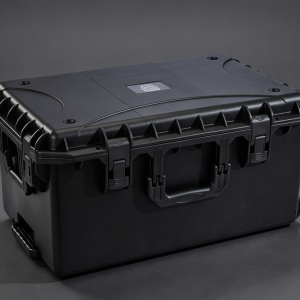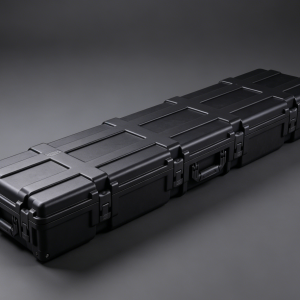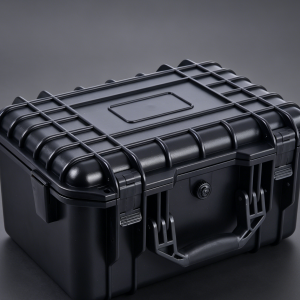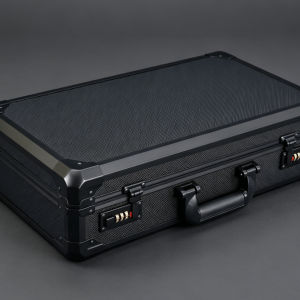
When purchasing toolboxes, many users focus on capacity, material, structure, and functionality, often overlooking color. In reality, toolbox color affects not only the product’s appearance but also the daily user experience, tool management efficiency, and the overall harmony of the work environment. Different colors often correspond to different application scenarios and management needs. For example, industrial maintenance tends to favor darker colors, while safety management often uses highly visible colors. For corporate purchasing, maintenance personnel, and home DIY users, understanding the logic behind toolbox color selection helps create a more standardized, efficient, and practical tool management system.
Toolbox Color Affects Daily User Experience
Color is not only a visual element but also directly affects the toolbox’s performance in the actual working environment.
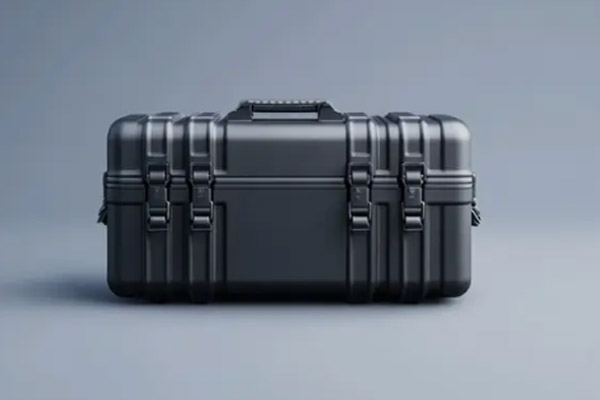
Dark Toolboxes are More Suitable for Professional Environments
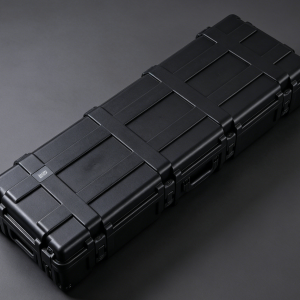
In industrial maintenance, equipment repair, and automotive maintenance, black and dark gray toolboxes are very common.
- The biggest advantage of these colors is their resistance to dirt and wear. Even after prolonged exposure to dust, oil, and machinery, they don’t easily appear worn.
- Dark colors can minimize the visual impact of minor scratches, allowing the toolbox to maintain a good appearance even after long-term use.
Furthermore, dark-colored toolboxes create a more professional and stable visual effect, harmonizing better with industrial equipment and repair shop environments, thus becoming the preferred choice for many professional users.
Bright-colored toolboxes improve visibility
For scenarios such as construction sites, outdoor operations, and emergency repairs, the visibility of toolboxes is equally important.
- Yellow, red, or orange toolboxes can be quickly spotted in complex environments, reducing the time spent searching for tools.
- Highly recognizable colors help workers quickly locate tools, improving work efficiency and safety.
Bright-colored toolboxes are commonly used for safety equipment management, emergency tool storage, and outdoor engineering projects.
Different colors suit different usage scenarios
Toolbox color selection should be based on the actual working environment, not simply personal preference.
Industrial Repair Scenarios
Industrial environments place greater emphasis on durability and a professional image; therefore, black and dark gray toolboxes are the most common.
- Black toolboxes project a stable and professional style while possessing strong resistance to dirt, making them suitable for long-term, high-frequency use.
- Dark gray, while maintaining a professional feel, incorporates some modern design elements and is increasingly popular with manufacturing companies and repair teams.
For users who need to use toolboxes for extended periods in workshops, factories, or repair stations, dark colors are generally a more practical choice.
Outdoor Construction Scenarios
Outdoor environments are often more complex, requiring high visibility of toolboxes.
- Yellow toolboxes have a natural warning effect, easily spotted even from a distance, and are therefore widely used on construction sites and in engineering projects.
- Orange toolboxes also have high visibility, helping workers quickly find the equipment they need.
For teams that frequently move tools or work in large construction areas, brightly colored toolboxes can effectively improve management efficiency.
How to Implement Color Management in Enterprise Procurement
For enterprises, color is not just an aesthetic choice, but also a management tool.
Establishing a Color Classification System
Many enterprises use colors to distinguish tools and equipment for different departments or purposes.
- Maintenance departments use black toolboxes.
- Electrical departments use blue toolboxes.
- Emergency equipment uses yellow or red toolboxes.
- This classification method reduces tool mixing and improves management efficiency.
At the same time, color management helps employees quickly identify the area where a tool belongs, reducing search time and making the entire tool management process more standardized.
Shaping a Professional Corporate Image
A unified color scheme makes work areas appear cleaner and more organized. Whether in a repair shop, storage area, or construction site, a consistent style of toolboxes reflects a company’s standardized management level.For companies that frequently receive clients or partners, a neat and unified tool management system can also enhance brand image and increase clients’ trust in the company’s professional capabilities.
How to Choose the Right Color Based on Needs
There is no absolute standard for toolbox colors; what’s more important is meeting actual usage needs. If primarily used for industrial repair, equipment maintenance, or automotive services, it is recommended to prioritize dark colors such as black and dark gray for better stain resistance and a professional look. If the work environment is located in an outdoor construction site or requires quick tool location, consider highly visible colors such as yellow and orange. For enterprise users, in addition to considering the usage environment, a unified color system should be established in conjunction with internal management needs to improve tool management efficiency and overall operational efficiency.
Toolbox color may seem like just one part of the appearance design, but it actually affects daily user experience, tool management efficiency, and corporate image. Dark toolboxes are more suitable for professional repair and industrial environments, while bright toolboxes have a clear advantage in construction sites and emergency scenarios. Choosing the right color can not only improve work efficiency, but also make tool management more standardized and orderly.