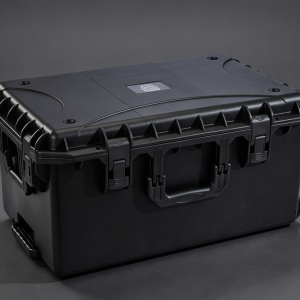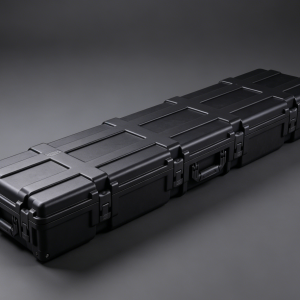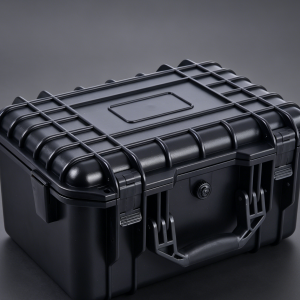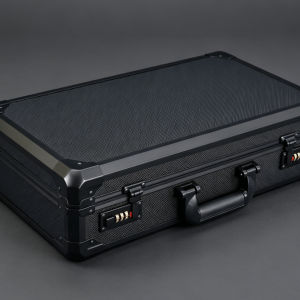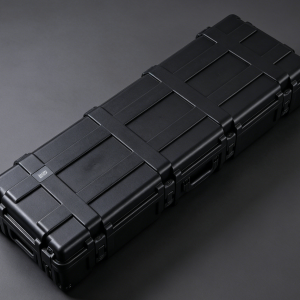
In industrial manufacturing, equipment maintenance, automotive servicing, electrical construction, and household tool organization, tool boxes are essential pieces of equipment. Among the various materials available, aluminum tool boxes have become an increasingly popular choice due to their durability, lightweight construction, corrosion resistance, and attractive appearance. Compared with plastic tool boxes, aluminum tool boxes offer greater structural strength; compared with steel tool boxes, they are significantly lighter and easier to transport. Therefore, whether professional technicians need to carry tools frequently or businesses need to protect precision equipment and instruments, aluminum tool boxes provide a reliable storage and transportation solution.
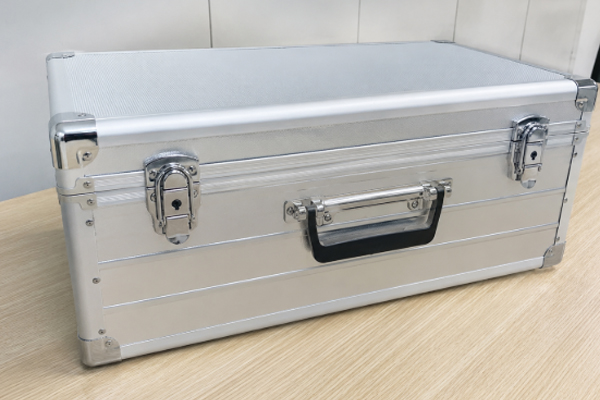
What Is an Aluminum Tool Box?
Basic Definition of an Aluminum Tool Box
An aluminum tool box is a tool storage device primarily manufactured from aluminum alloy materials. It is mainly used for storing, protecting, and transporting various tools, instruments, equipment, and precision components. The structure typically consists of an aluminum alloy frame, aluminum panels, connectors, latches, handles, and internal cushioning materials, which are assembled into a complete structure through mechanical fastening or riveting processes.
Main Features of Aluminum Tool Boxes:
Lightweight Design
The density of aluminum alloy is approximately one-third that of steel, significantly reducing overall weight while maintaining structural strength.
Excellent Corrosion Resistance
A natural oxide layer forms on the surface of aluminum, making it resistant to rust even in humid environments.
High Structural Strength
Through reinforced rib designs and optimized profile structures, aluminum tool boxes can withstand substantial external impacts.
Clean and Professional Appearance
The metallic finish provides a premium look, making aluminum tool boxes suitable for industrial equipment, instrument packaging, and high-end tool storage.
Common Applications:
Aluminum tool boxes are widely used in:
- Mechanical maintenance industry
- Automotive inspection industry
- Electrical engineering projects
- Aerospace equipment maintenance
- Medical instrument transportation
- Photography equipment protection
- Measuring instrument packaging
- Outdoor engineering operations
How Are Aluminum Tool Boxes Manufactured?
From design drawings to finished products, aluminum tool boxes go through multiple manufacturing stages. Although they may appear to be simple containers, their production involves material selection, precision machining, structural assembly, and quality inspection. Each stage directly affects the strength, durability, and service life of the tool box. To ensure the product meets the requirements of industrial, maintenance, and transportation applications, manufacturers typically follow standardized production processes.
Material Selection and Structural Design:
Selecting Aluminum Materials Based on Application
Before production, suitable aluminum alloy sheets and profiles are selected according to load-bearing requirements and operating environments.
Structural Planning
Designers determine the dimensions, internal layout, and positions of accessories such as latches and handles, providing a foundation for subsequent production.
Box Fabrication and Assembly:
Component Processing
Aluminum sheets are cut and bent into box panels, while aluminum profiles are machined into frame structures.
Overall Assembly
The box body, frame, locks, hinges, and handles are assembled to create a complete tool box structure.
Interior Configuration and Surface Treatment
Installation of Internal Protection Structures
EVA foam inserts, sponge cushioning layers, or partitions are added according to application requirements to provide organization and protection.
Surface Treatment
Processes such as anodizing, sandblasting, or powder coating are applied to improve wear resistance, corrosion resistance, and visual appearance.
Finished Product Inspection
After manufacturing, the product undergoes testing for opening and closing performance, load-bearing capacity, lock functionality, and appearance quality to ensure compliance with usage requirements before shipment.
Through these processes, an aluminum tool box is transformed from raw materials into a finished product capable of meeting industrial, maintenance, and equipment transportation needs. Behind its simple appearance lies a complete and rigorous manufacturing process.
Technical Details of Aluminum Tool Boxes
| Technical Item | Main Function | Key Advantage |
| Aluminum Alloy Frame Structure | Improves overall strength | Better compression and impact resistance |
| Reinforced Corner Protection | Protects box edges | Reduces risk of damage from collisions |
| Anodized Surface Treatment | Surface protection | Corrosion-resistant and wear-resistant |
| Sandblasted Finish | Enhances surface texture | More attractive appearance and fingerprint resistance |
| Custom EVA Foam Inserts | Secures internal items | Reduces movement and collisions |
| Sponge Cushioning Layer | Absorbs impact force | Protects precision instruments and equipment |
| Sealing Gasket | Improves sealing performance | Better dustproof and moisture-resistant protection |
| Industrial Locking System | Enhances security | Prevents accidental opening during transportation |
How to Choose the Right Aluminum Tool Box?
Choose According to the Working Environment:
If the tool box is mainly used for indoor maintenance, a standard aluminum tool box is usually sufficient.
If it is intended for long-term outdoor use, a waterproof and dustproof model is recommended.
Choose According to Load Requirements
- Light-duty tools: Select products with thinner panel structures.
- Heavy mechanical tools: Choose products with reinforced frame designs.
Choose According to Internal Layout
- For a large variety of tools: Select multi-layer partition structures.
- For transporting precision equipment: Choose custom EVA foam insert configurations.
Choose According to Customization Requirements:
Business users typically focus on:
- Custom logo options
- Custom dimensions
- Custom foam inserts
- Custom colors
These customization features help meet branding and professional management requirements.
Frequently Asked Questions
Which Is Better: Aluminum Tool Boxes or Plastic Tool Boxes?
Both types of tool boxes have their own advantages. If lightweight portability and affordability are the main priorities, plastic tool boxes are often the more cost-effective option. However, if higher strength, better durability, and a more professional appearance are required, aluminum tool boxes offer clear advantages.For maintenance engineers, electrical construction personnel, and companies that frequently transport equipment, aluminum tool boxes provide better protection and a longer service life. For household users or light-duty tool storage applications, standard plastic tool boxes can adequately meet basic requirements.
High-quality aluminum tool boxes not only improve tool management efficiency but also provide reliable protection for equipment during transportation. For individual users, a sturdy and durable tool box can make daily maintenance and tool organization much more convenient. As manufacturing technologies continue to advance, modern aluminum tool boxes have evolved from simple storage products into comprehensive solutions that combine protection, organization, and presentation functions.When purchasing an aluminum tool box, it is recommended to focus on material thickness, frame strength, lock quality, and internal structural design rather than price alone. By selecting a product that matches your specific needs, you can fully benefit from the durability, lightweight performance, and professionalism that aluminum tool boxes offer, making tool management more efficient and worry-free.