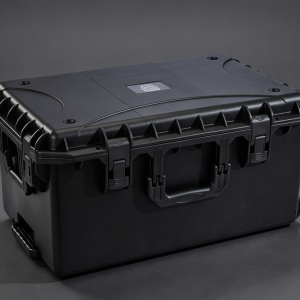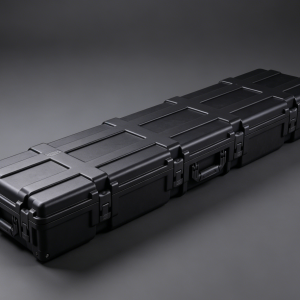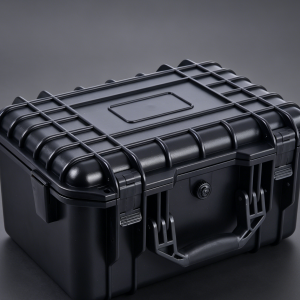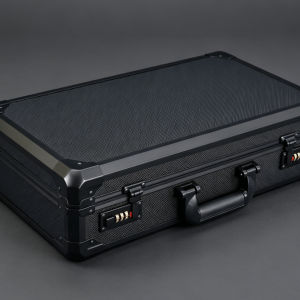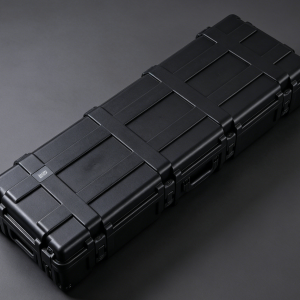
When purchasing a tool box, the first thing many people notice is its color. Some prefer classic black, while others favor red, blue, or yellow. However, tool box color is not only related to appearance—it also affects work efficiency, on-site management, safety identification, and brand image. Especially in factories, maintenance workshops, construction sites, and equipment transportation scenarios, different colors play an important role in classification management and rapid identification. As industrial management becomes increasingly standardized, color has become part of tool management systems. Choosing the right tool box color can help workers find the required tools more quickly, reduce misplacement, and improve work efficiency.
What Do Tool Box Colors Represent?
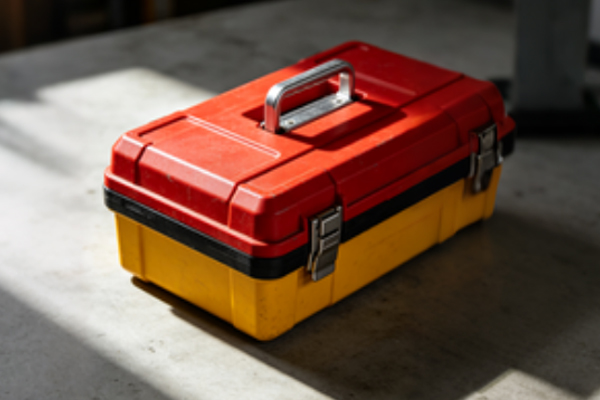
Tool box color is essentially a form of visual identification. Different colors help users quickly distinguish tool categories, departmental uses, and working areas, thereby improving management efficiency. In many industrial environments, colors have developed into commonly accepted practices. For example, red is often used for warning-related equipment, yellow emphasizes caution and reminders, and blue conveys a professional and standardized impression.
Common Tool Box Color Meanings
| Color | Common Use | Visual Characteristics |
| Red | Maintenance tools, emergency tools | Eye-catching, strong warning effect |
| Yellow | Safety tools, warning supplies | Easy to notice |
| Blue | Industrial equipment tools | Professional, clean |
| Green | Medical tools, safety supplies | Strong sense of safety |
| Black | High-end tool boxes | Stable, dirt-resistant |
| Silver | Common color for aluminum tool boxes | Strong metallic appearance |
| Orange | Outdoor construction tools | High visibility at long distance |
Color not only affects visual style but also influences practical user experience.
How to Choose Tool Box Colors Based on Usage?
When selecting tool box colors, the first step is to clarify the usage scenario, as different environments require different color choices.
Choose Based on Working Environment
If mainly used in factories or workshops: blue, gray, and black are commonly used, as they convey professionalism and are more dirt-resistant.If frequently used for outdoor construction: yellow, orange, and red are more suitable. High-visibility colors improve detectability and make it easier to locate tool boxes. In industrial environments, high-visibility colors are generally easier to recognize.
Choose Based on Tool Type
Many companies adopt color-based classification management systems.
For example:
- Red tool boxes store electrical tools
- Blue tool boxes store mechanical tools
- Green tool boxes store inspection equipment
- Yellow tool boxes store safety supplies
This approach helps reduce the risk of picking the wrong tools.
Choose Based on Company Branding
More and more companies choose customized colors for their tool boxes.
Reasons include improving brand recognition, unifying corporate image, and enhancing professionalism.For example, logistics companies often prefer blue, engineering companies commonly use yellow or orange, while high-end equipment brands tend to choose black and silver.
Choose Based on Usage Frequency
For frequently used tool boxes, dark blue, dark gray, or black are recommended because they are more dirt-resistant.For infrequently used or display-purpose tool boxes, red or yellow can be chosen. Customized brand colors can enhance visual impact.
Differences in Processes Behind Colors
Tool box color is not simply applied by painting. Different color application methods affect durability and service life.
Common Color Treatment Processes
| Process | Applicable Colors | Features |
| Anodizing | Silver, black, blue | Wear-resistant, corrosion-resistant |
| Powder coating | Red, yellow, orange | Rich color options |
| Baking paint | Multiple colors | High surface gloss |
| Sandblasting | Silver-gray | Fine texture |
| Brushed finish | Silver, black | Strong metallic appearance |
Color and Dirt Resistance
Different colors perform differently in terms of resistance to visible dirt during use.
Generally:
- Black is the most dirt-resistant
- Dark gray is relatively wear-resistant
- Silver is less likely to show scratches
- Yellow and white easily show stains
Therefore, environments with frequent oil exposure usually prefer dark-colored tool boxes.
Color and Safety Management
In many companies, color has become part of safety management systems.
For example:
- Red indicates warning or danger
- Yellow indicates caution
- Green indicates safe areas
- Blue indicates standard operating equipment
This visual management approach helps employees quickly identify information and improves on-site management efficiency.
Tool boxes of different colors not only help users quickly distinguish tool categories but also improve visibility, reduce operational errors, and shorten the time needed to locate tools. For enterprises, unified color management also enhances overall professional image and makes tool management more standardized. When choosing colors, there is no need to blindly follow trends; instead, decisions should be based on working environment, tool type, usage frequency, and branding requirements. Indoor maintenance is more suitable for durable and professional-looking colors, while outdoor construction is better suited to high-visibility colors. For enterprise procurement, customized design based on brand identity can also be considered.