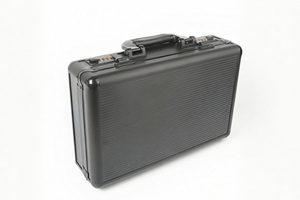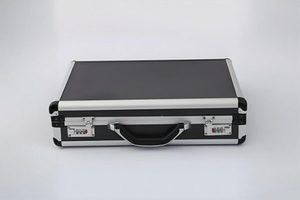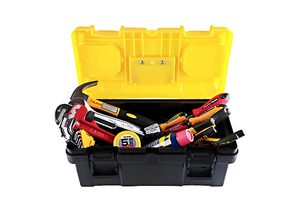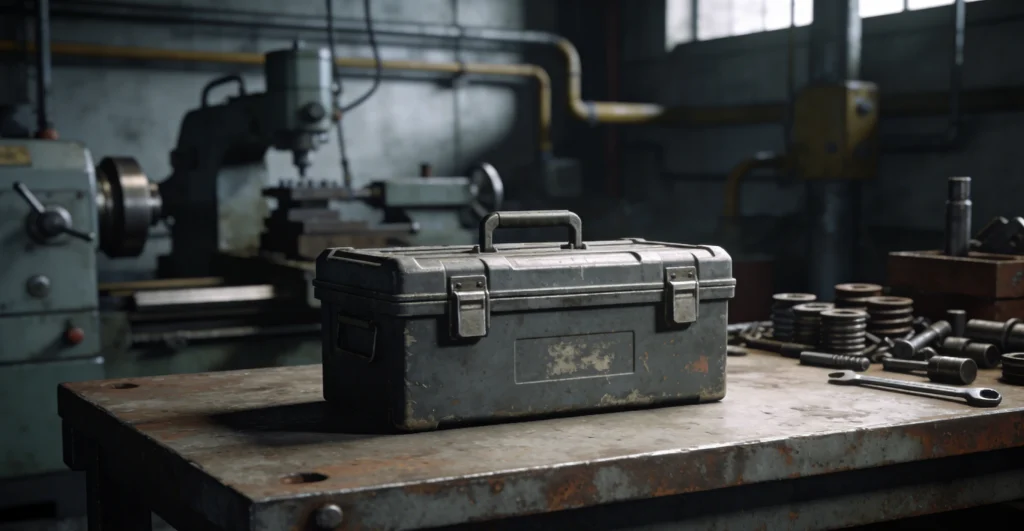
As the variety of tools continues to grow, traditional single-layer tool boxes often face problems such as insufficient capacity, disorganized classification, and inconvenient access. In contrast, stackable tool boxes use modular combinations, layered storage, and flexible expansion to make tool management more orderly and better suited to modern repair, industrial, and home use scenarios. For users who want to improve efficiency, reduce clutter, and build a long-term storage system, it is not just a box for storing tools, but a more efficient tool management solution.
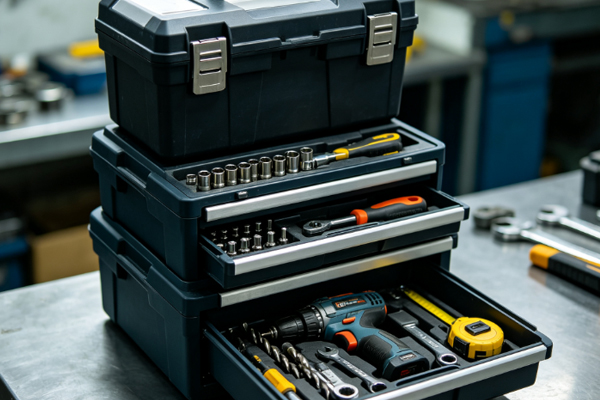
Stackable Tool Boxes Make Storage More Flexible
Traditional tool boxes usually have fixed space, and once there are too many tools, they easily become messy. Stackable tool boxes, however, can be freely combined according to actual needs, allowing different tools to be placed in their proper positions. The storage method is more flexible and easier to adapt to different usage habits.
Clearer Classified Storage
One of the advantages of stackable tool boxes is that they can separate different types of tools for management, making the storage logic clearer and saving time during organization.
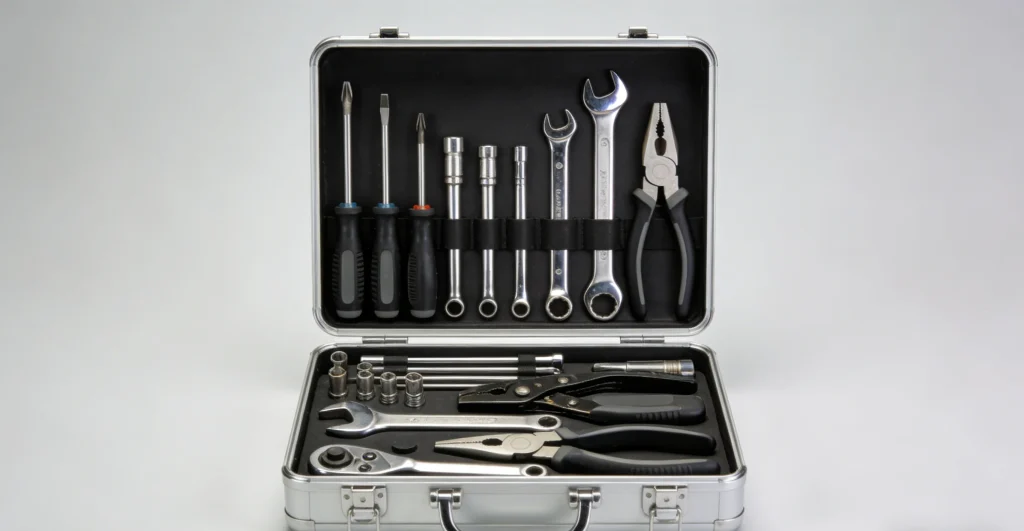
- Common wrenches, screwdrivers, and pliers can be stored in layers, making them easier to find quickly when needed.
- Small parts such as screws, bits, and washers can be managed separately, reducing loss and keeping accessories neatly arranged.
- Tools for different trades can be stored in separate modules, so the tools needed for repair, installation, and maintenance can each be placed in their own position.
This classification method makes it easier for users to organize and use tools, while also significantly reducing search time and making the workflow smoother.
Higher Space Utilization
The stackable structure makes full use of vertical space, allowing more tools to be stored in a limited area. It is especially suitable for users whose tool collection keeps growing but whose storage space is limited.
- After stacking vertically, more tools can be stored in a limited space.
- It can be placed flexibly in garages, warehouses, or beside workbenches without taking up too much floor space.
- When tools increase, users only need to add more modules instead of replacing the entire system, which saves cost and offers greater flexibility.
This design is especially suitable for users with limited space but a growing number of tools, making the storage system more expandable and better aligned with long-term use needs.
Stackable Tool Boxes Improve Work Efficiency
Tool storage is not only about “fitting everything in,” but also about “taking things out quickly and putting them back securely.” In actual use, stackable tool boxes better meet the needs of high-frequency work and help users improve overall efficiency.
Faster Access
Through fixed compartments and modular design, stackable tool boxes make tool locations more obvious and easier to find quickly during use. They are especially suitable for work scenarios that require frequent tool changes. Each module has a fixed position, and commonly used tools can also be placed on upper layers or in separate layers, making them easier to reach. This reduces the trouble of searching and repeatedly opening boxes, allowing repair or work processes to remain continuous and less likely to be interrupted.
Easier to Carry and Move
The modular design not only makes storage easier, but also makes the tool box more flexible when moving, especially for users who need to switch between different locations.
- Individual modules can be removed separately, making them suitable for on-site work and allowing users to carry only what they need.
- When moving between different workstations, the overall transport is less labor-intensive.
- For users who often work off-site, the flexibility is stronger and can adapt more quickly to different work environments.
This portability allows stackable tool boxes to maintain a good user experience in different scenarios while making tool management more efficient.
Stackable Tool Boxes Have a Wider Range of Applications
Whether for professional repair work or everyday home use, stackable tool boxes can be adjusted according to needs and adapted to different environments. Their flexibility makes them suitable not only for professional users but also for ordinary households.
More Practical for Professional Repair Scenarios
In fields such as auto repair, machinery maintenance, and electrical work, there are many types of tools and they are used frequently, so an organized storage method is needed. Stackable tool boxes are well suited to meet this demand.
- Industries such as auto repair, machinery maintenance, and electrical work use many types of tools and require layered management.
- In high-frequency use environments, tool boxes must balance stability and load-bearing capacity to withstand long-term carrying and frequent opening and closing.
- During on-site work, the modular structure helps enable quick response and more direct access to tools.
For professional repair workers, stackable tool boxes help them organize tools more efficiently, improve on-site work efficiency, and make daily management more standardized.
Also Suitable for Home DIY
Although household users may not have many tools, they still need a neat and convenient storage method, and stackable tool boxes are a perfect fit for this lightweight yet practical need.
- Home tools may not be many, but they need to be stored neatly, and stackable tool boxes are just right.
- They are suitable for storage rooms, balconies, or garages, taking up little space and remaining easy to access.
- When new tools are added later, the system can continue to expand without needing to replace the storage solution.
This flexible storage method helps home users easily build a clear and orderly tool management habit, making daily repairs more worry-free.
Stackable Tool Boxes Offer Greater Long-Term Value
Many users choose a tool box not only based on whether it is sufficient for the present, but also on whether it can continue to be upgraded in the future. Stackable tool boxes stand out in terms of expandability and manageability, offering greater long-term value.
Stronger Expandability
One of the biggest advantages of stackable tool boxes is that they can continue to expand as the number of tools increases. Users only need to add new modules as needed to increase storage capacity without replacing the entire tool box at once. As time goes on, users can also optimize the module combination according to changes in work content, keeping the storage system efficient at all times. For those who want to build a stable long-term tool management system, this sustainable design has greater practical value.
Better for Team Management
For companies, stores, or repair teams, a unified tool management method is especially important, and stackable tool boxes also have obvious advantages in this regard.
- Fixed compartments help with unified management and reduce tool confusion.
- Team members can more easily find the corresponding tools, making collaboration smoother.
- Handover, inventory checks, and returning tools are all clearer, making them suitable for businesses and stores.
Good team management not only improves efficiency, but also reduces tool loss and duplicate purchases, making overall operations more stable.
The reason stackable tool boxes are becoming more and more popular is that they combine the four major needs of storage, efficiency, expandability, and management. Whether you are a repair technician, a factory user, or an individual who wants a more organized home tool setup, you can gain a better user experience from them. SIPHIA BOX focuses on high-quality tool storage solutions and provides more practical and professional stackable tool box options, helping users manage tools more efficiently and with greater peace of mind.