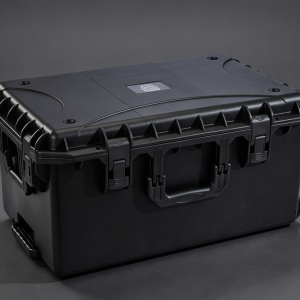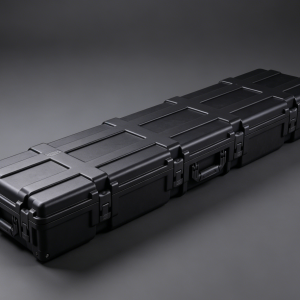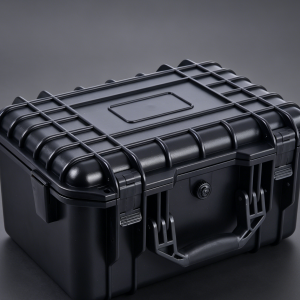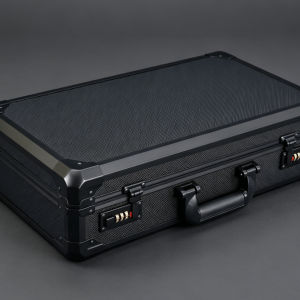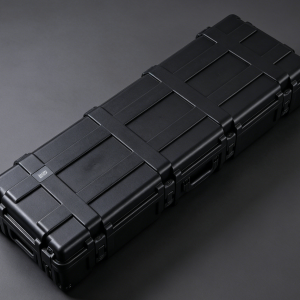
When choosing a toolbox, color often influences the user’s first impression. Black and dark gray toolboxes are known for their practical appearance and resistance to visible dirt, while white, beige, and light gray light-colored toolboxes offer a cleaner and brighter appearance. They are suitable for home maintenance, precision equipment storage, electronic equipment organization, and professional work environments. However, many users have one common question: Are light-colored toolboxes easy to get dirty?
In practical use, light-colored toolboxes do not necessarily collect more dirt than dark-colored ones. However, dust, grease, fingerprints, and scratches are generally easier to see on lighter surfaces. For this reason, proper cleaning methods and regular maintenance are important. With the right care routine, a light-colored toolbox can maintain a clean appearance while providing reliable long-term performance.
Why Do Light-Colored Toolboxes Look Easier to Get Dirty?
Dust and Grease Are More Visible
Toolboxes are frequently used in automotive repair, mechanical maintenance, construction, and DIY applications. In these environments, the surface of a toolbox may come into contact with dust, grease, engine oil, metal particles, and other contaminants.
Minor dust may be difficult to notice on a dark toolbox, while light-colored surfaces create stronger visual contrast. As a result, dirt tends to be more noticeable. This does not necessarily mean that light-colored toolboxes actually accumulate more dirt; the difference is mainly related to visibility.
Fingerprints and Scuff Marks Are Easier to Notice
When a toolbox is opened, carried, or moved frequently, natural oils from the hands may leave fingerprints on its surface. These marks can be more noticeable on smooth, light-colored surfaces.
For light-colored toolboxes used frequently, regular wiping is therefore more effective than waiting until visible dirt has accumulated.
How Should You Clean a Light-Colored Toolbox?
Use a Soft Damp Cloth for Routine Cleaning
For daily cleaning, start by removing dust with a soft dry cloth or slightly damp cloth. For ordinary dirt, clean water and a soft cloth are often enough for basic maintenance.Avoid using rough materials when wiping the toolbox, as repeated friction may create scratches and affect the appearance of the light-colored surface.
Clean Grease and Oil Stains Promptly
If the toolbox is used for automotive repair or mechanical maintenance, grease and oil stains may appear on the surface. For these stains, choose a suitable mild or neutral cleaning solution according to the specific toolbox material.After cleaning, wipe the surface dry. Avoid allowing moisture to remain for extended periods around the case, latches, hinges, and other components.
Avoid Harsh Chemical Cleaners
Not every cleaning product is suitable for a toolbox. Strong acids, strong alkaline cleaners, or highly corrosive chemicals may damage certain plastics, coatings, or surface finishes.Before using a new cleaning product, check the maintenance recommendations provided by the toolbox manufacturer. When necessary, test the cleaner on a small, less visible area first.
Daily Maintenance Tips for Light-Colored Toolboxes
Keep Tools Clean and Dry
The condition of the tools themselves can also affect the interior of the toolbox. Tools covered with oil, moisture, or metal dust can easily transfer contaminants to the storage compartments.After completing maintenance work, clean the tools when necessary before placing them back into the toolbox. Returning each tool to its designated position can reduce internal contamination while improving tool organization.
Avoid Long-Term Exposure to Harsh Conditions
If a light-colored toolbox is continuously exposed to direct sunlight, rain, high humidity, or heavy dust, its surface may experience discoloration, aging, or dirt accumulation over time.When the toolbox is not in use, store it in a dry, shaded, and well-ventilated area. For outdoor applications, users should pay particular attention to the toolbox’s material, sealing performance, and weather resistance.
Check Latches, Handles, and Hinges Regularly
Cleaning the toolbox should not be limited to its exterior panels. Latches, handles, hinges, wheels, and other moving components can also collect dust and debris.Regularly check these components for looseness, sticking, or damage. If maintenance is permitted by the manufacturer, moving components should be maintained according to the recommended instructions.
Cleaning Tips for Different Toolbox Materials
Plastic Toolboxes
Plastic toolboxes are lightweight and suitable for home maintenance, DIY projects, and field work. When cleaning plastic toolboxes, avoid strong solvents or chemicals that may damage the plastic or accelerate surface aging.
Metal Toolboxes
Metal toolboxes generally provide good structural strength and are commonly used for professional repair and industrial applications. After cleaning, keep the surface dry, especially after using the toolbox in humid environments, to help reduce the risk of corrosion.
Protective Tool Cases
Protective cases designed for precision instruments and professional equipment often focus on sealing, dust protection, and impact resistance. During cleaning, users should inspect not only the external case but also the sealing gasket and internal foam for dust, debris, or damage.
How Can You Keep a Light-Colored Toolbox Clean for Longer?
Keeping a light-colored toolbox looking clean does not require deep cleaning every day. The key is to develop a simple and consistent maintenance routine.Wipe away visible dirt promptly after use, return tools to their designated locations, and avoid placing heavily contaminated tools directly inside the case. These simple habits can significantly reduce the need for intensive cleaning later.
For professional maintenance teams, regular cleaning and inspection schedules can also be established according to toolbox usage frequency. This helps ensure that storage equipment remains clean, organized, and ready for daily work.
Light-colored toolboxes are not necessarily easier to make dirty; dirt is simply more visible on lighter surfaces. For users who value appearance, tool organization, and workplace management, a light-colored toolbox can still be a practical and professional storage solution.Regularly wiping the surface with a soft cloth, removing oil and grease promptly, avoiding unsuitable chemical cleaners, and inspecting latches, hinges, wheels, and other components can help maintain both appearance and performance.Whether you choose a light-colored or dark-colored toolbox, establishing a suitable cleaning and maintenance routine based on the working environment is the key to keeping your toolbox in good condition for the long term.