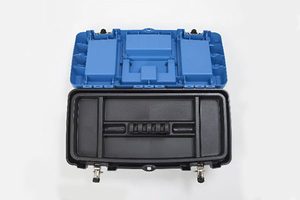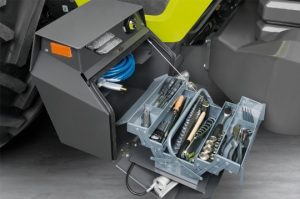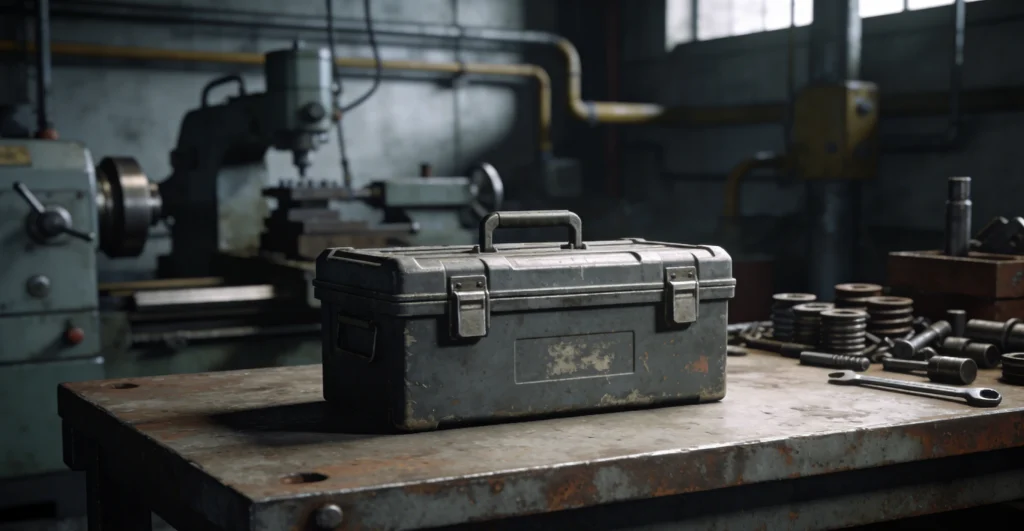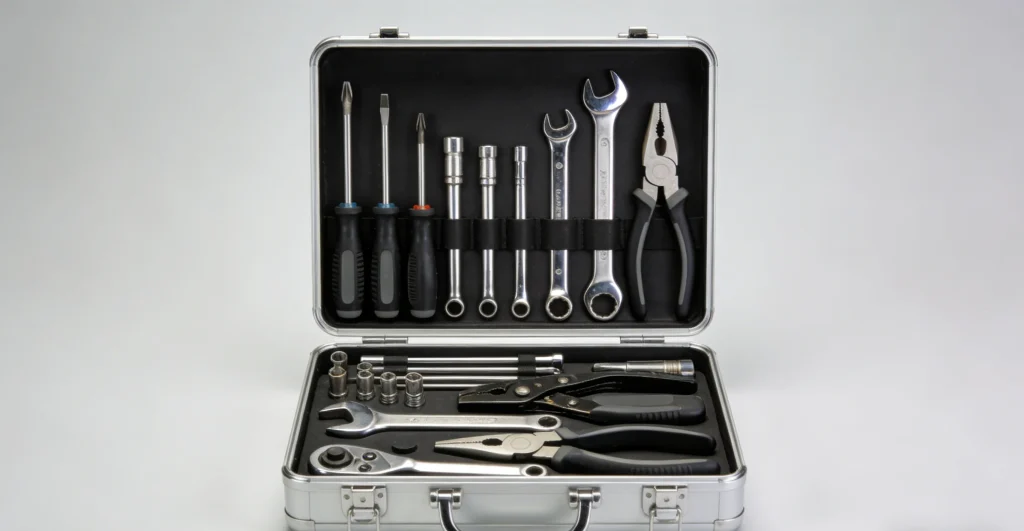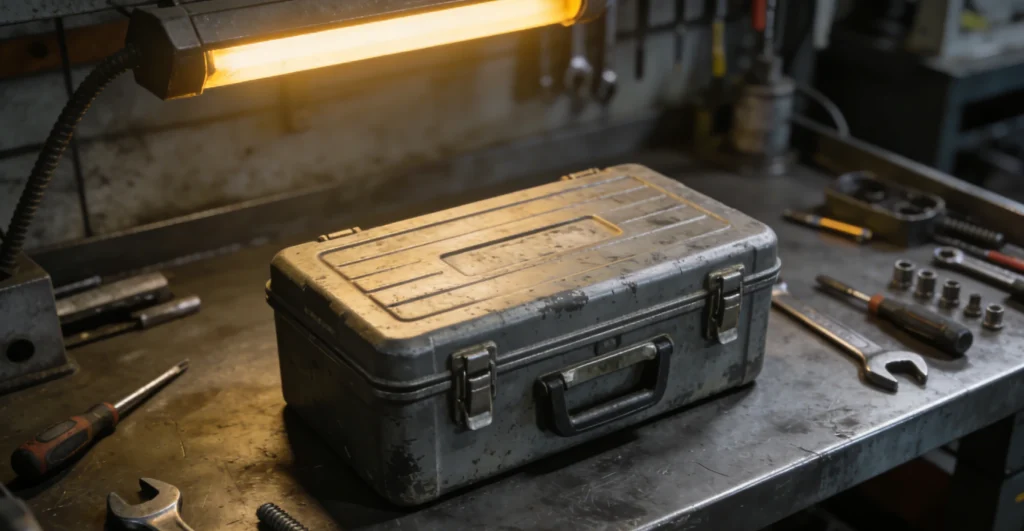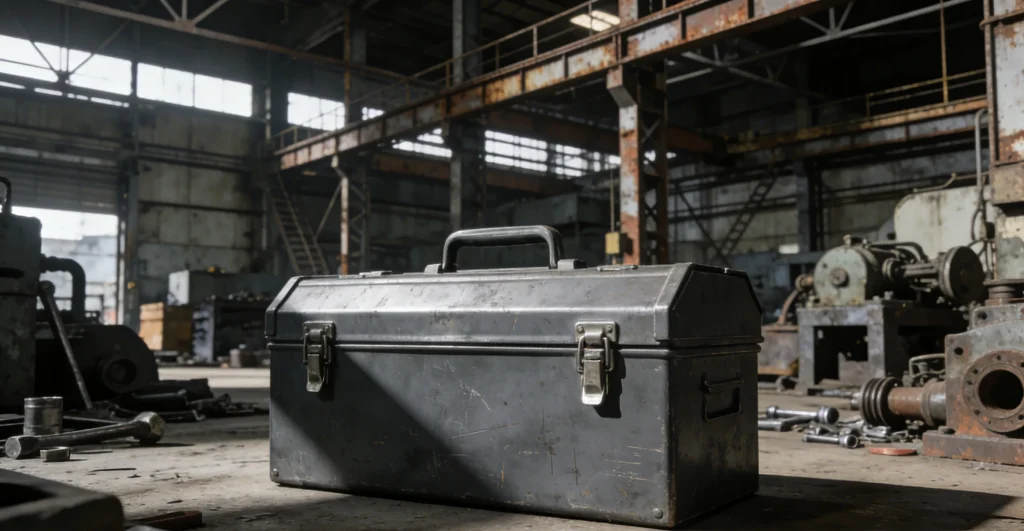
As work requirements continue to grow, many people find themselves collecting more and more tools. From common screwdrivers and wrenches to professional repair equipment and precision parts, different types of tools can easily become difficult to manage without proper organization. For maintenance workers, engineering teams, and factory employees, carrying a large number of tools is often necessary. However, choosing the wrong tool box can waste storage space and affect daily work efficiency. With so many options available in different sizes, materials, and designs, selecting the right tool box can become confusing. In fact, the best tool box is not always the largest one. It should be chosen based on the number of tools, working environment, and storage needs. A suitable tool box can make tool management easier while providing better protection for professional equipment.
Choose the Right Tool Box Capacity Based on the Number of Tools
The number of tools you own is the first factor to consider when selecting a tool box. If you only have a few tools, choosing an oversized tool box may waste space. However, if your tool collection continues to grow, a small tool box may quickly become insufficient. Understanding your current tool quantity and future needs can help you avoid frequent replacements.
Small Tool Boxes Are Suitable for Fewer Tools
For home repairs, simple DIY projects, or basic maintenance work, the number of tools is usually limited. A small tool box can already meet most daily needs.
- Suitable for storing commonly used tools. Such as screwdrivers, pliers, and small wrenches.
- Requires less storage space. It can be placed easily at home or in a vehicle.
- Simple organization. Tools can be found quickly without complicated classification.
Although small tool boxes have limited capacity, they are practical for users who do not need to store many tools.
Large Tool Boxes Are Better for Growing Tool Collections
When the number of tools increases, ordinary tool boxes often cannot provide enough space or organization. Large tool boxes offer more room and allow users to separate different types of equipment.
- Suitable for professional repair and engineering work. More tools and equipment can be stored.
- Makes tool classification easier. Different tools can be arranged separately.
- Reduces clutter. Prevents tools from being piled together.
For users who regularly work with many tools, large aluminum tool boxes can provide a more stable and efficient storage solution.
Choose the Right Tool Box Structure Based on Tool Types
Capacity is not the only thing that matters. The types of tools you own also affect which tool box design is most suitable. Small parts, large equipment, and precision tools all have different storage requirements. A well-designed interior structure can keep tools organized and reduce daily inconvenience.
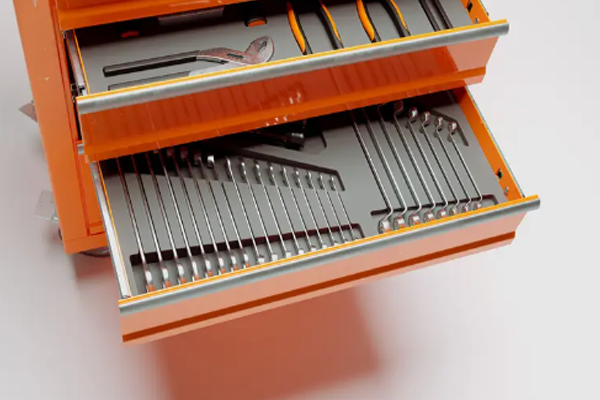
Drawer Tool Boxes Are Ideal for Multiple Tool Types
If you have many tools, including different sizes of parts and equipment, a drawer tool box can provide a more convenient storage solution. Drawer designs create separate areas for different items.
- Small parts can be stored separately. Screws, connectors, and accessories are easier to manage.
- Different tools can be organized by layers. Finding specific items becomes faster.
- Storage space is used more efficiently. Tools do not need to be piled together.
Drawer tool boxes are especially suitable for maintenance workers, factory employees, and users who manage large tool collections.
Precision Tools Require Better Protection Features
Some measuring instruments, electronic repair tools, and valuable equipment require more careful storage. Frequent contact and collisions between tools may affect performance and service life.
- Separate compartments provide extra protection. They reduce friction between tools.
- Cushioned interiors reduce impact. This helps protect tools during movement.
- Stable box structures improve safety. External impacts are less likely to affect stored items.
When choosing a tool box, it is important to consider not only whether it can hold your tools but also whether it can protect them properly.
Choose Tool Box Materials Based on the Working Environment
The material of a tool box directly affects its durability and protection ability. Different working environments require different levels of strength. While plastic tool boxes may work well for simple tasks, professional applications often require stronger and more durable materials.
Aluminum Tool Boxes Are Suitable for Professional Use
For users who frequently travel for repairs, work on engineering projects, or transport tools regularly, large aluminum tool boxes offer excellent overall performance.
- Aluminum alloy shells provide strong durability. They can handle daily impacts and transportation.
- The structure remains stable over long-term use. Suitable for repeated professional applications.
- A professional appearance meets business needs. Ideal for companies and teams.
Aluminum tool boxes not only protect tools but also improve the overall organization and management of professional equipment.
Consider Protection Performance Based on Transportation Needs
If tools need to be moved frequently, a tool box should provide more than storage. It also needs to offer reliable protection during transportation.
- Frequent movement requires reasonable weight control. Avoid choosing a box that is too heavy.
- Long-distance transportation requires stronger structures. Reduce damage caused by impacts.
- Special environments require better protection. Improve tool safety in different conditions.
Considering the actual working environment makes it easier to choose a tool box that truly fits your needs.
Pay Attention to Functional Details When Choosing a Tool Box
Many users focus only on size and price when selecting a tool box but overlook small design features that affect long-term use. In reality, details such as locks, internal layouts, and mobility features can determine whether a tool box is truly practical.
Practical Features Improve Daily Use Experience
A good tool box should do more than simply store tools. It should also make daily management and use more convenient.
- Drawers and compartments improve organization. Different tools can be stored separately.
- Strong locks improve security. Prevent accidental opening during transportation.
- Durable hardware extends service life. Reduce maintenance and replacement needs.
Although these details may seem small, they make a noticeable difference during long-term use.
Choose a Tool Box That Meets Future Needs
Tool collections often continue to grow as work requirements change. When choosing a tool box, it is also important to consider future storage needs.
- Leave some extra storage space. Avoid needing a replacement too soon.
- Choose flexible interior designs. Allow adjustments as storage needs change.
- Select the right size based on long-term use. Support future tool management.
A tool box is not a short-term product. Choosing one that supports future needs can prevent many problems later.
How do you choose the right tool box when you have too many tools? The key is not simply choosing the largest capacity, but considering the number of tools, tool types, working environment, and future requirements. For regular users, a properly sized tool box can handle daily storage needs. For professional repair workers and companies, large aluminum tool boxes and drawer tool boxes provide better organization and protection. Siphia Box offers high-quality tool box solutions, helping users manage tools more efficiently and create a cleaner, more organized working environment.