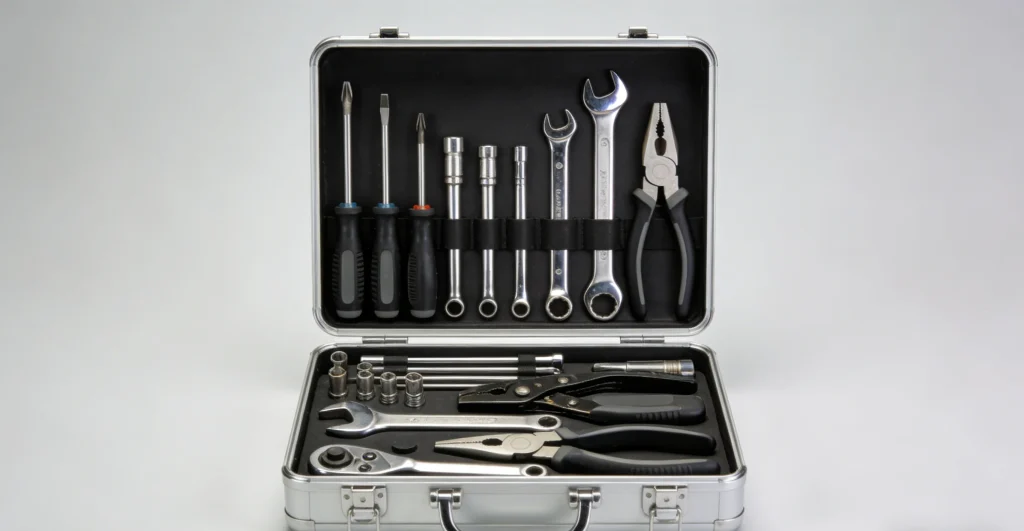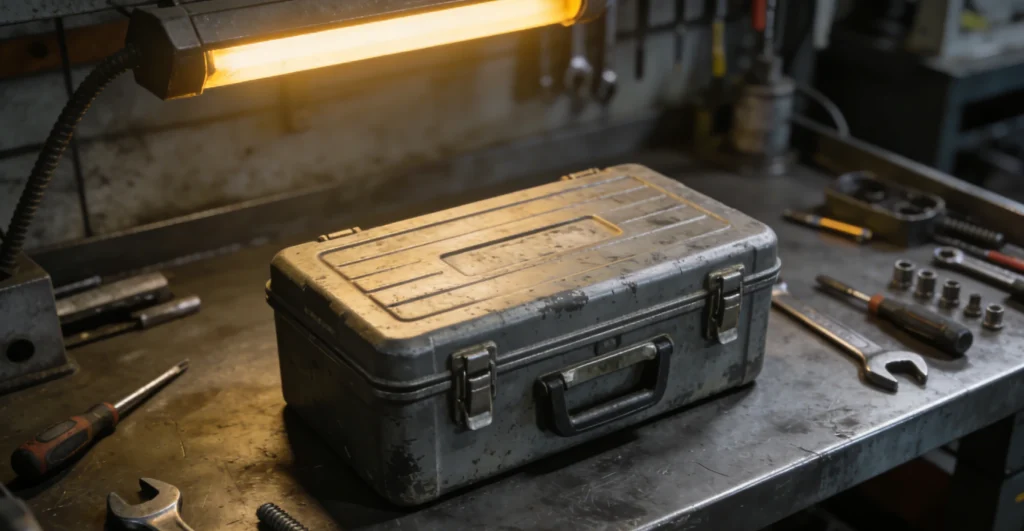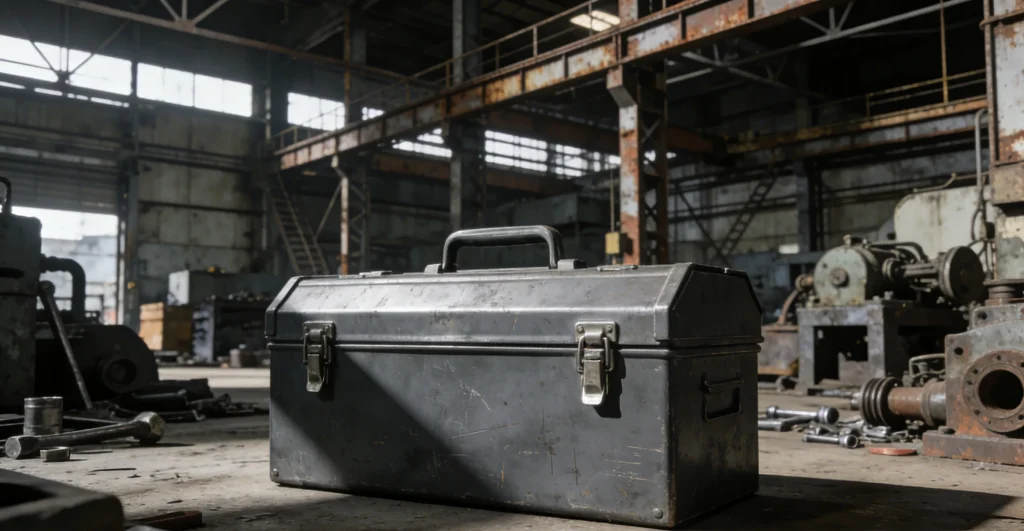
When it comes to tool storage, many users face the same problem: the number of tools keeps increasing, but traditional tool boxes often become messy and difficult to manage. For maintenance workers, engineers, factory staff, and other professionals, it is common to use many different tools such as wrenches, screwdrivers, measuring equipment, and small spare parts. Without proper organization, finding the right tool can take extra time and may even lead to missing items. Drawer tool boxes are designed to solve these common storage problems. With multiple drawer layers, tools can be organized according to type, size, and frequency of use, making storage much more efficient. Whether it is a large aluminum tool box or a compact drawer tool box, this design provides a more practical storage solution for different working environments.
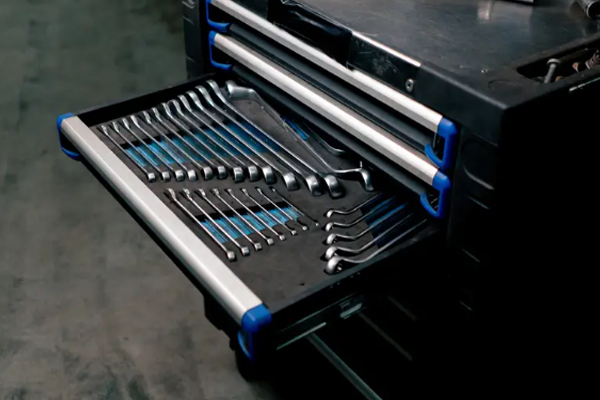
Drawer Tool Boxes Make Tool Organization Easier
When there are many different tools, finding the right one quickly becomes an important concern. Traditional tool boxes usually have a single large storage space, where all tools are placed together. This may work for simple needs, but over time the interior can easily become cluttered. Drawer tool boxes use a layered structure, allowing different tools to have their own storage areas and making overall management much easier.
Different Tools Can Be Stored Separately
The biggest advantage of a drawer design is that users can organize tools according to their specific needs. Each drawer can be assigned for different types of tools, making the storage system more efficient.
- Small tools can be stored in separate drawers. Screws, nuts, cutters, and small parts can be organized in one place.
- Frequently used tools can have dedicated storage areas. Commonly used equipment can be found faster.
- Professional accessories can be classified properly. Different items stay separated instead of mixing together.
A clear organization system reduces searching time and helps create a cleaner working environment.
Multi-Layer Structures Improve Space Utilization
When choosing a tool box, many users care not only about capacity but also how effectively the internal space can be used. Drawer tool boxes maximize storage through vertical space design.
- More storage layers are available. Tools of different sizes can be placed separately.
- Less space is wasted. Tools do not need to be piled together in one area.
- More tools can be added later. New equipment can easily find its own storage location.
For users with growing tool collections, a drawer design provides a more flexible long-term storage solution.
Drawer Tool Boxes Improve Daily Tool Access Efficiency
Tool storage is not only about keeping items in one place; it is also about finding and using them quickly when needed. In industries such as repair, installation, and manufacturing, time efficiency is extremely important. Spending too much time searching for tools can affect the entire workflow. Drawer tool boxes provide a more organized layout, making daily operations smoother.
Quickly Find Tools by Opening the Right Drawer
Compared with traditional tool boxes that require opening the entire lid and searching through everything, drawer designs allow users to access specific areas directly.
- Reduces searching time. Users do not need to move other tools repeatedly.
- Improves workflow efficiency. Using multiple tools becomes more convenient.
- Keeps the working area organized. Tools can be returned to their proper places easily.
This design is especially useful for workplaces where tools need to be changed frequently.
Suitable for Different Working Environments
Drawer tool boxes are not limited to one specific industry. Their flexible design allows them to be used in many different situations.
- Maintenance work becomes easier to manage. Technicians can organize commonly used tools efficiently.
- Industrial production benefits from better parts storage. Small components are less likely to get lost.
- Home use becomes more organized. DIY tools and repair equipment can have fixed storage locations.
No matter the application, drawer tool boxes help users create a more efficient tool management system.
Drawer Tool Boxes Provide Better Tool Protection
Besides improving organization, protecting tools is another important function of a tool box. Many tools are valuable, and storing them randomly for a long time may cause scratches, rust, or damage. Drawer tool boxes use separate storage spaces to reduce contact between tools and provide better protection.
Reduce Collisions Between Tools
When tools are stored together without separation, metal parts may rub against each other. This is especially harmful for precision tools that require careful protection.
- Separate storage reduces friction. It helps prevent scratches on tool surfaces.
- Fixed positions keep tools stable. Tools are less likely to move and collide.
- Protects precision equipment. Helps extend the service life of valuable tools.
Proper storage not only keeps tools organized but also reduces unnecessary wear.
Aluminum Structures Improve Overall Durability
For users who need long-term tool storage or frequent transportation, the material of the tool box is also important. Large aluminum tool boxes are widely used in professional fields because of their strong structure and reliable performance.
- Aluminum alloy shells provide better durability. They can handle daily impacts and transportation.
- The structure remains stable over time. The tool box can maintain good performance after long-term use.
- Suitable for professional environments. Ideal for factories, repair teams, and engineering applications.
A combination of strong materials and practical design makes drawer tool boxes more reliable for professional use.
Drawer Tool Boxes Meet Long-Term Tool Management Needs
For users with many tools, buying a tool box is not just a short-term solution. They need a storage system that can continue to support their growing tool collection. A well-designed drawer tool box can adapt to changing needs and provide better organization over time.
Improve Professional Tool Management
Poor tool management can reduce efficiency and increase the chance of losing equipment. Drawer tool boxes help users build a more organized and professional storage system.
- Each tool has a fixed location. Tools are easier to return after use.
- Tool quantities are easier to check. Missing items can be noticed quickly.
- Preparation time is reduced. Workers can quickly organize the equipment they need before starting.
A better management system helps improve overall work efficiency.
Store Tools of Different Sizes
Tools come in many shapes and sizes, so a practical tool box needs to provide flexible storage options.
- Small drawers are suitable for small accessories. Screws, connectors, and small parts can be stored neatly.
- Larger compartments can hold bigger tools. More equipment can be stored safely.
- Combination designs offer greater flexibility. Users can adjust storage based on their actual needs.
What are the advantages of drawer tool boxes? They not only solve the problem of messy tool storage but also improve organization, accessibility, and protection. Compared with traditional single-compartment tool boxes, drawer designs make classification easier and daily use more efficient. For maintenance professionals, industrial companies, and users who manage large numbers of tools, choosing a durable and well-designed drawer tool box can make work much easier. Siphia Box provides high-quality tool box solutions, helping users achieve more professional and convenient tool storage management.