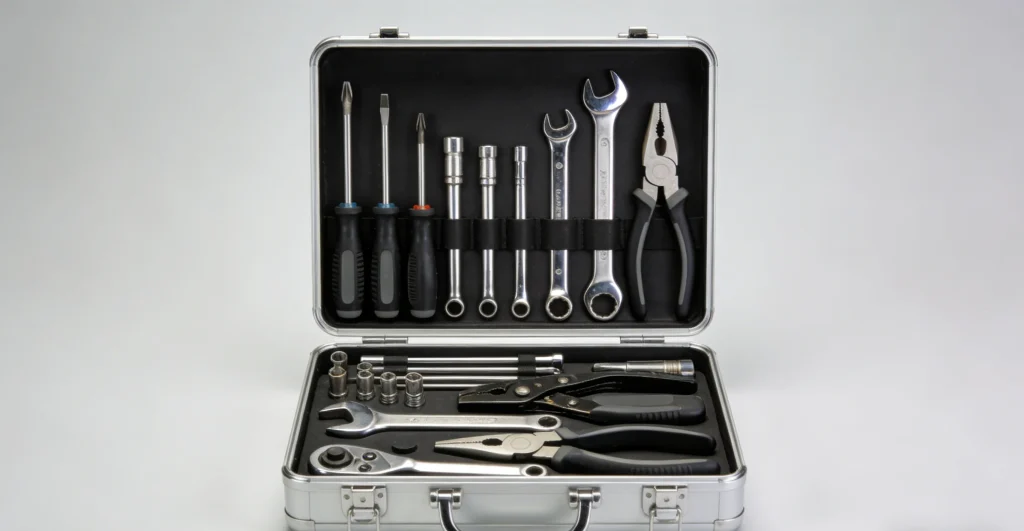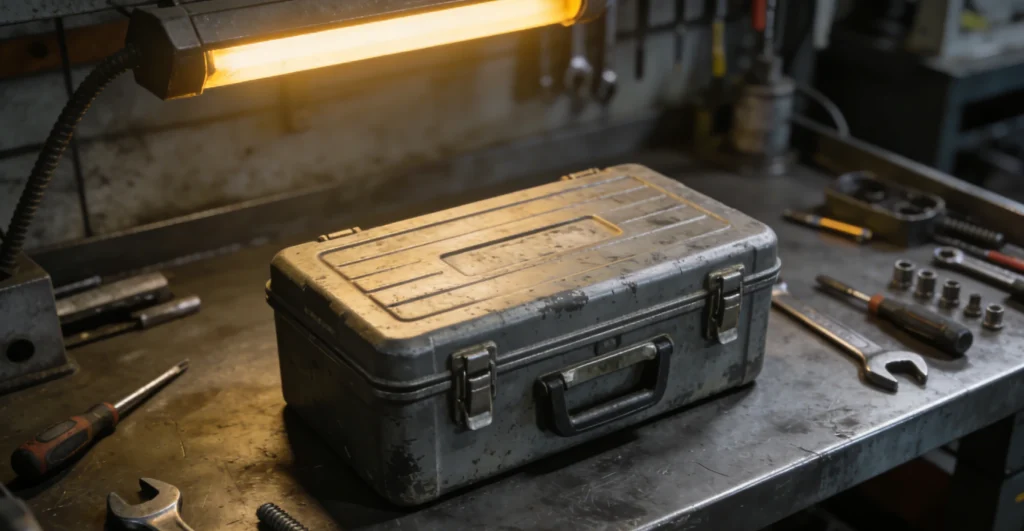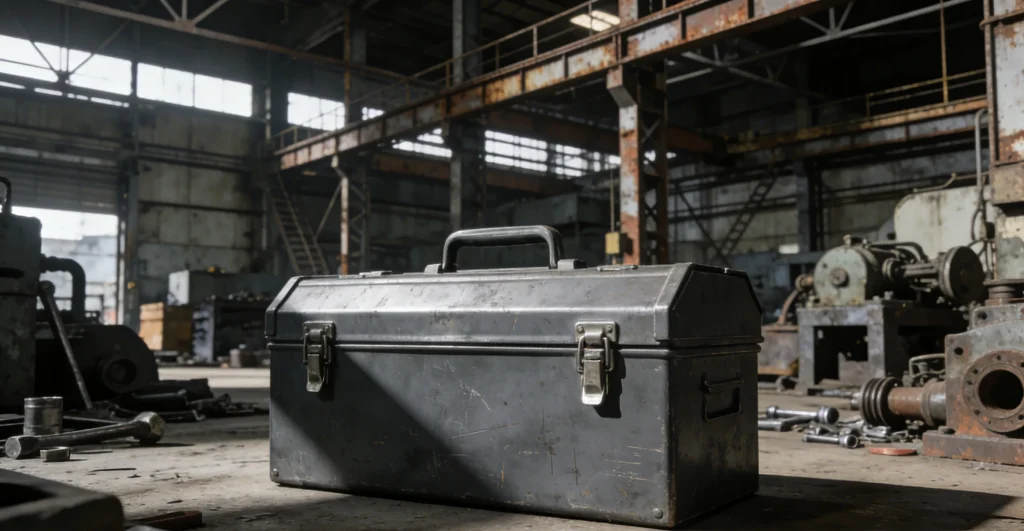
Mechanical tool boxes are commonly used storage equipment for maintenance workers, engineering technicians, and production equipment maintenance personnel. They are mainly used for storing wrenches, screwdrivers, measuring instruments, electric tools, and various repair accessories. In different working environments, tool boxes need to withstand impacts, vibrations, dust, moisture, and long-term transportation. Therefore, the choice of box material directly affects the performance and service life of the tool box. Mechanical tool boxes made of thick aluminum plates, with their excellent strength, corrosion resistance, and relatively lightweight characteristics, are gradually being used in automotive repair, industrial maintenance, outdoor operations, and equipment inspection applications. Compared with ordinary thin-sheet tool boxes, thick aluminum plate tool boxes have obvious advantages in structural stability and service life, making them better suited for storage needs in high-frequency use and complex environments.
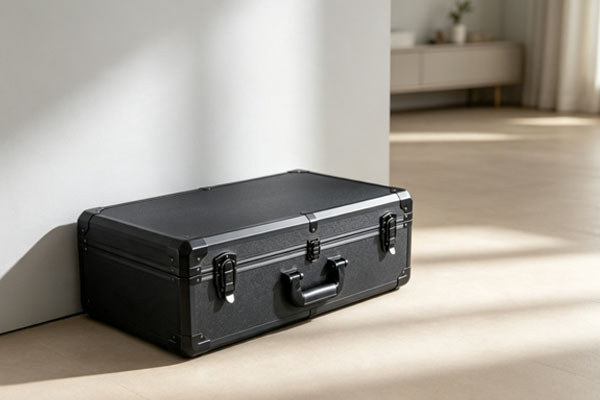
In mechanical maintenance work, workers often need to carry heavy tools. If the tool box material lacks sufficient strength, problems such as box deformation, corner damage, or loose connections may occur after long-term use. Thick aluminum plates have good compression resistance, which can improve the overall stability of the tool box and help the box maintain better performance when carrying weight and experiencing external impacts. At the same time, aluminum itself has excellent corrosion resistance, making it suitable for humid and outdoor environments. Choosing the right tool box material not only affects the convenience of tool storage but also influences maintenance efficiency. Mechanical tool boxes made of thick aluminum plates provide users with a more stable and safer tool management solution through their material advantages.
Main Advantages of Thick Aluminum Plate Mechanical Tool Boxes
One of the biggest features of thick aluminum plate mechanical tool boxes is their stronger and more durable structure. Compared with ordinary thin aluminum plate or lightweight material tool boxes, thick aluminum plates provide better compression resistance and are less likely to experience obvious deformation when storing heavy repair tools. During mechanical maintenance work, large wrenches, sockets, electric equipment, and spare parts are often required, and these tools usually have considerable weight. If the bottom and side panels of the tool box lack sufficient strength, long-term pressure may cause dents and affect normal use.
Thick aluminum plate tool boxes can provide more stable support:
Reduce box deformation: Thicker aluminum plates improve overall rigidity, allowing the tool box to maintain better structural stability when exposed to tool weight pressure or transportation vibration.
Improve impact resistance: During maintenance operations or vehicle transportation, tool boxes may experience collisions. The thick aluminum plate structure can reduce the impact of external forces on the box body.
Suitable for storing heavy tools: For maintenance personnel who need to carry large quantities of metal tools, thick aluminum plate tool boxes provide a more reliable storage capacity.
A stable structural design can reduce frequent tool box repairs and provide users with greater confidence during long-term use.
Usage Advantages Provided by Thick Aluminum Plate Materials
Although thick aluminum plates increase material thickness, aluminum itself has a relatively low density. Therefore, compared with steel tool boxes of similar strength, the overall weight still has certain advantages. Maintenance workers often need to carry tools into different working areas. If the tool box itself is too heavy, it increases the burden of transportation. Thick aluminum plate tool boxes can reduce additional weight while maintaining structural strength, improving portability. In addition to lightweight characteristics, aluminum materials also have good corrosion resistance. During daily use, tool boxes may be exposed to air, moisture, dust, and even oil stains for long periods. If the material is prone to rust, it will not only affect appearance but also reduce service life.
Thick aluminum plate tool boxes have the following advantages:
Less likely to corrode: The surface of aluminum materials can form a protective layer that provides resistance against humid air, making them suitable for outdoor and complex environments.
Reduce maintenance frequency: Compared with ordinary steel tool boxes, aluminum tool boxes do not require frequent rust removal treatment, reducing daily maintenance workload.
Suitable for long-term mobile use: For tool boxes installed on vehicles, corrosion resistance helps the box better adapt to long-term transportation environments.
The combination of lightweight design and corrosion resistance makes thick aluminum plate mechanical tool boxes a common choice in many maintenance applications.
What Working Environments Are Thick Aluminum Plate Tool Boxes Suitable For?
Different working environments have different requirements for mechanical tool boxes. Indoor maintenance environments may focus more on tool organization and storage space, while outdoor repair and vehicle maintenance places greater emphasis on durability.
Thick aluminum plate mechanical tool boxes are suitable for various working scenarios, such as:
Automotive repair industry: Automotive repair workers need to carry many tools. Tool boxes must withstand frequent opening, closing, and movement. The thick aluminum plate structure can meet high-frequency usage requirements.
Engineering equipment maintenance: Engineering machinery maintenance usually requires large tools. Tool boxes need to have strong load-bearing capacity to prevent damage after long-term use.
Outdoor construction environments: Outdoor conditions change significantly, and tool boxes are easily affected by rain and dust. Aluminum plate materials can provide better protective performance.
Vehicle-mounted tool storage: Trucks, recreational vehicles, and service vehicles often install external tool boxes. Thick aluminum plates can better withstand vibration during vehicle operation.
Is a Thicker Aluminum Plate Tool Box Always Better?
The thickness of the aluminum plate used for a tool box should be selected according to actual requirements. A thicker plate is not always the most suitable choice. Although thicker materials can improve strength, they also increase weight and cost. If the tool box is mainly used for storing small repair tools, an appropriate aluminum plate thickness can be selected. If it needs to store heavy equipment, a reinforced thick aluminum plate structure may be more suitable. Reasonable matching of material thickness can achieve a balance between strength, weight, and convenience of use.
Mechanical tool boxes made of thick aluminum plates have characteristics such as stable structure, strong load-bearing capacity, lightweight design, and excellent corrosion resistance, meeting the tool storage needs of maintenance workers in different environments. Compared with tool boxes made from ordinary materials, thick aluminum plate structures can reduce deformation problems during long-term use and improve box reliability. At the same time, the excellent rust resistance of aluminum materials makes these tool boxes more suitable for outdoor, vehicle, and industrial maintenance applications.
When selecting a mechanical tool box, users need to consider actual usage conditions, such as tool weight, working environment, and movement frequency. If a large number of maintenance tools need to be carried and a longer service life is expected, products made of thick aluminum plates are a more suitable choice. A high-quality mechanical tool box should not only provide sufficient storage space but also have the ability to protect tools, support easy transportation, and maintain stable performance. Thick aluminum plate materials provide a more reliable foundation for tool boxes through their own performance advantages.