Musical instruments are vulnerable to impacts, vibrations, pressure, and environmental changes during transportation. For delicate instruments such as guitars, violins, saxophones, and other precision equipment, insufficient protection may result in scratches, structural deformation, or even changes in playing performance. As an essential protective solution during transportation, instrument cases use reinforced shells, internal cushioning, secure fixing systems, and protective designs to create a safer environment for valuable instruments. Choosing a suitable instrument case not only reduces the risk of transportation damage but also improves safety during long-distance travel, shipping, and everyday carrying, helping instruments maintain excellent condition in different environments.
Strong Outer Shells Reduce the Risk of External Impact
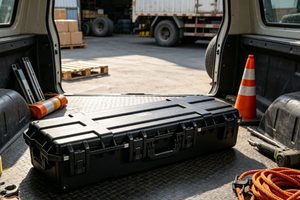
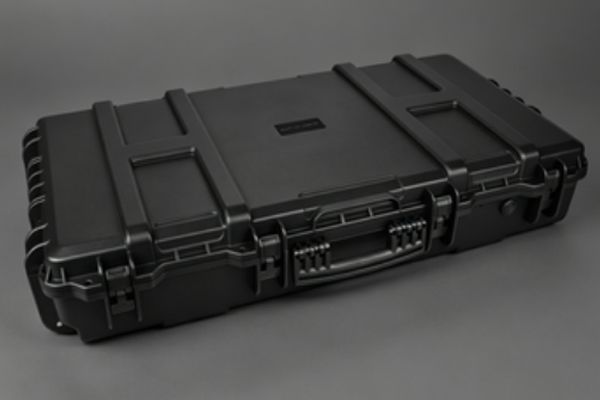
The outer shell of an instrument case serves as the first protective barrier against transportation damage. During loading, unloading, handling, and shipping, instruments may experience accidental impacts or external pressure. If the case structure is not strong enough, impact forces can easily transfer to the instrument itself. High-quality instrument cases are commonly made from materials such as ABS plastic, polycarbonate, fiberglass, and composite materials, offering excellent impact resistance and pressure protection. A durable outer shell helps distribute external forces and reduces the effect of collisions on the instrument inside. Reinforced corners and stable connection structures further improve overall strength, preventing deformation or breakage during transportation. For musicians who frequently travel or ship their instruments, choosing a strong and reliable case significantly improves transportation safety.
Interior Cushioning Design Reduces Vibration and Friction
Vibration during transportation is one of the major causes of instrument damage. Even without direct impacts, continuous shaking can affect delicate structures over time. High-quality instrument cases use multi-layer cushioning systems to provide stable and gentle support for instruments.
Common cushioning protection methods include:
- High-density foam padding: Absorbs vibration energy and reduces impact transfer.
- EVA cushioning materials: Provide excellent elasticity and pressure resistance while maintaining long-term support.
- Soft velvet lining: Protects instrument surfaces from scratches caused by friction.
- Custom-fit interior compartments: Match the shape of different instruments and reduce unnecessary movement.
A well-designed interior cushioning system keeps instruments securely positioned during transportation. Even when facing road vibration or unexpected movement, the instrument receives better protection against collision and friction. Effective cushioning not only improves safety but also helps extend the service life of both the instrument case and the instrument itself.
Secure Fixing Systems Prevent Instrument Movement Inside the Case
In addition to cushioning materials, internal fixing systems play an important role in transportation safety. If there is too much empty space inside an instrument case, the instrument may move during transportation and collide with the interior structure, increasing the possibility of damage. Professional instrument cases are usually designed with dedicated support areas to keep different instruments securely positioned.
For example, violin cases often include neck supports and bow holders to prevent movement during travel. Guitar cases are designed with body-supporting areas that help maintain balance and stability. Saxophone cases usually include customized compartments to protect delicate keys and components from pressure. Proper fixing systems minimize internal movement, keeping instruments safer throughout transportation while also making storage and removal more convenient.
Different Transportation Conditions Require Different Protection Features
Instrument transportation environments can vary significantly, and different situations require different levels of protection. Selecting an instrument case according to transportation distance, method, and environmental conditions helps achieve better safety performance.
Common transportation requirements include:
- Short-distance daily carrying: Lightweight cases with reliable cushioning are suitable for frequent movement.
- Long-distance shipping: Strong outer shells and reinforced sealing designs provide better protection against pressure and impact.
- Air transportation: Professional flight-style cases with excellent shock resistance help reduce damage during handling.
- Outdoor performance transportation: Cases with moisture resistance, dust protection, and durable materials perform better in changing environments.
Different transportation conditions create different challenges for instruments. Choosing the right protective features helps reduce unexpected risks and improves the likelihood that instruments arrive at their destination safely.
High-Quality Instrument Cases Provide Long-Term Transportation Protection
A premium instrument case does more than protect an instrument during a single trip. It maintains reliable performance throughout years of regular use. High-quality materials resist daily wear, while durable locks, strong handles, and reinforced connection points withstand the pressure of frequent transportation. Stable structural designs reduce maintenance needs and help lower repair costs caused by transportation-related damage.
For music schools, performance teams, instrument retailers, and professional musicians, investing in a high-quality instrument case is an important decision. Reliable protection allows instruments to move safely between different locations while reducing transportation concerns. As the demand for better instrument protection continues to grow, professional cases featuring shock resistance, moisture protection, impact resistance, and secure fixing systems have become essential equipment for ensuring safe musical instrument transportation.