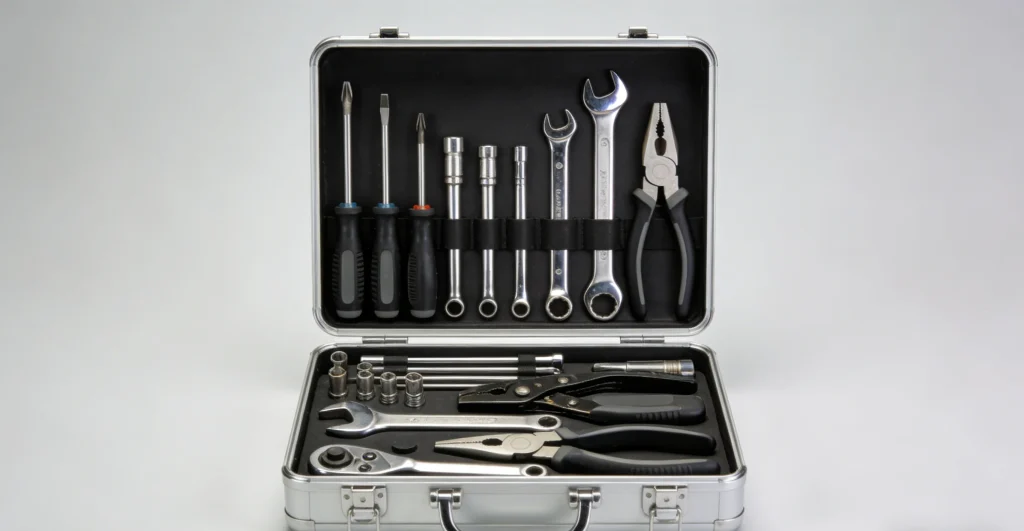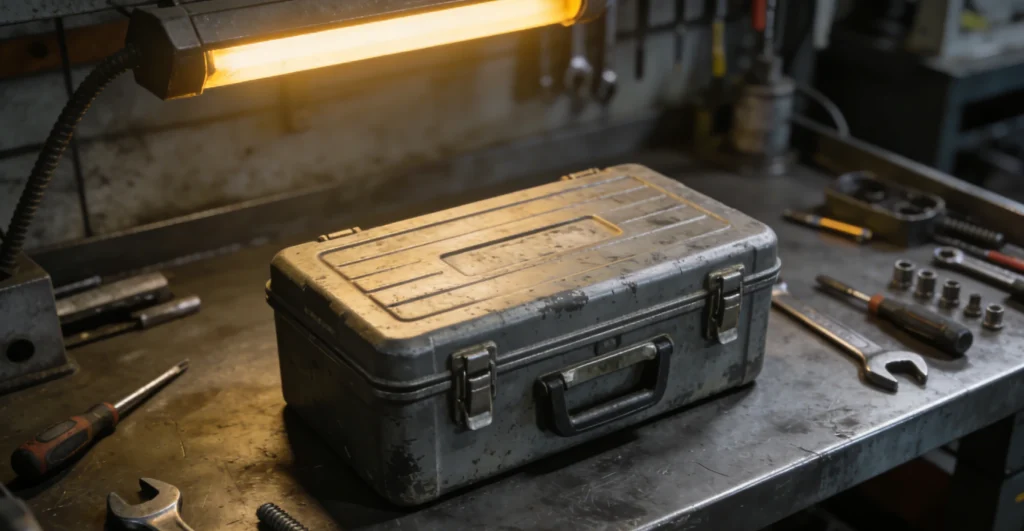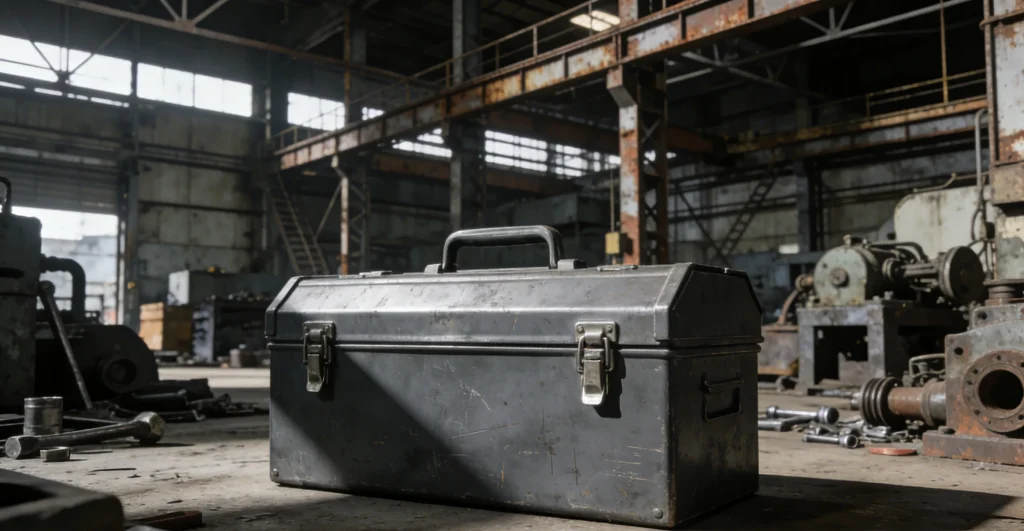
Today, with more tools and increasingly diverse usage scenarios, storage is no longer just about putting items away. It is about making tools easier to access, categories clearer, and transportation more convenient. Modular toolboxes are designed around these needs. Through a detachable, stackable, and expandable structure, they transform flexible storage into a highly efficient daily working experience, helping workshops, homes, and construction sites maintain a more organized tool management system.
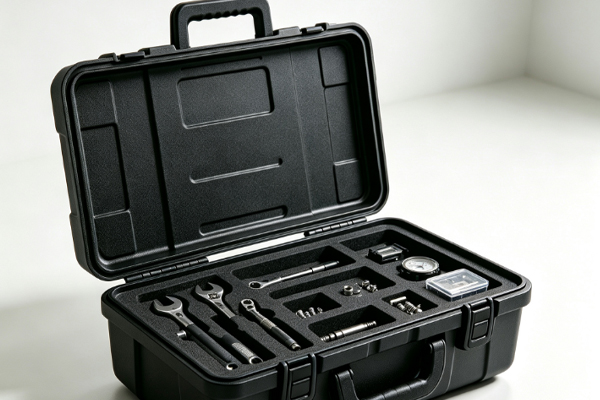
How a Modular Tool Box Achieves Flexible Storage Through Its Structure
The core advantage of a modular tool box comes from its layered and zoned structure. Different structures correspond to different types of tools and different usage habits.
Drawer-style layering makes tool classification clearer
Drawer-style modular tool boxes are suitable for high-frequency access scenarios, with a more intuitive tool placement logic.
- Wrenches, pliers, and screwdrivers can be arranged by layer, shortening the search path.
- Frequently used tools are placed in the upper layers, making daily operations more convenient.
- Small parts are stored in separate compartments, so screws, washers, and bits are less likely to get mixed together.
This structure gives tools fixed positions, making organization easier and use more efficient.
Stackable box bodies improve space utilization
Stackable modular tool boxes emphasize independent units that can be combined, making them suitable for users whose tool quantities change frequently.
- Each box can be used independently and stacked as needed for greater flexibility.
- Vertical combination reduces floor space usage, saving room in workshops, warehouses, and home storage areas.
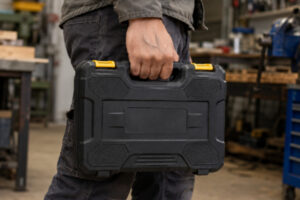
- The assembly and disassembly process is simple, making it easy to carry during outdoor work.
This design turns “fits inside” into “stays stable and is easy to access,” which better meets modern tool management needs.
How Modular Tool Boxes Expand Storage Through Combination
Flexible storage is not only about appearance, but also about how the modules are combined. The clearer the combination method, the easier future expansion becomes.
Basic modules make phased upgrades easier
Basic modular tool boxes are suitable for starting with a small number of tools and then expanding gradually over time.
- Configure only the most commonly used modules at first to keep the budget under control.
- Add deep compartments, drawers, and parts boxes later as needed.
- Suitable for home repairs, small workshops, and newly built workstations.
This approach allows users to avoid a large upfront investment while continuously improving the storage system as their tool collection grows.
Functional module zoning makes storage more professional
Separating different functional modules makes tool classification clearer and improves efficiency. Power tools, consumables, and measuring tools can be placed in their corresponding areas, while frequently used items and spare items can also be stored separately. This makes it easier to locate items quickly during use and reduces search time. When shared by a team, tools can also be managed by number, making handovers smoother and keeping on-site order more stable.
The connection structure determines expansion stability
Whether a modular tool box remains practical over the long term depends heavily on its connection structure.
- Designs such as clips, rails, and locks affect how firmly the modules stay connected.
- Smooth connections make module switching easier.
- High stability helps prevent loosening during movement.
A stable connection method keeps the modular tool box neat and reliable even after expansion.
Flexible Storage Solutions in Different Scenarios
The value of a modular tool box appears differently in different scenarios. Choosing the right setup for the right environment makes storage efficiency more noticeable.
Workshops value high-frequency access
In maintenance environments, the speed of tool access directly affects workflow.
- Smooth drawer slides are suitable for repeated opening and closing.
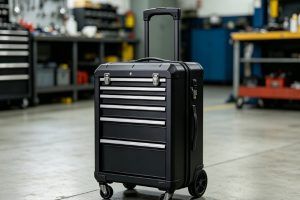
- Designs with wheels and handles make movement easier.
- Arranging tools by workflow improves on-site efficiency.
Workshop use emphasizes continuity, and a modular tool box allows tools to move with the workstation, reducing back-and-forth carrying.
Home storage values compactness and neatness
In home settings, space is limited, yet the variety of tools can still be considerable.
- A moderate size makes it suitable for balconies, storage rooms, and garages.
- Hardware, installation tools, and household drills can be managed together.
- A simple appearance also keeps daily placement neat.
For home users, a modular tool box is not only for storing tools, but also for improving household organization efficiency.
Industrial sites value load-bearing capacity and wear resistance
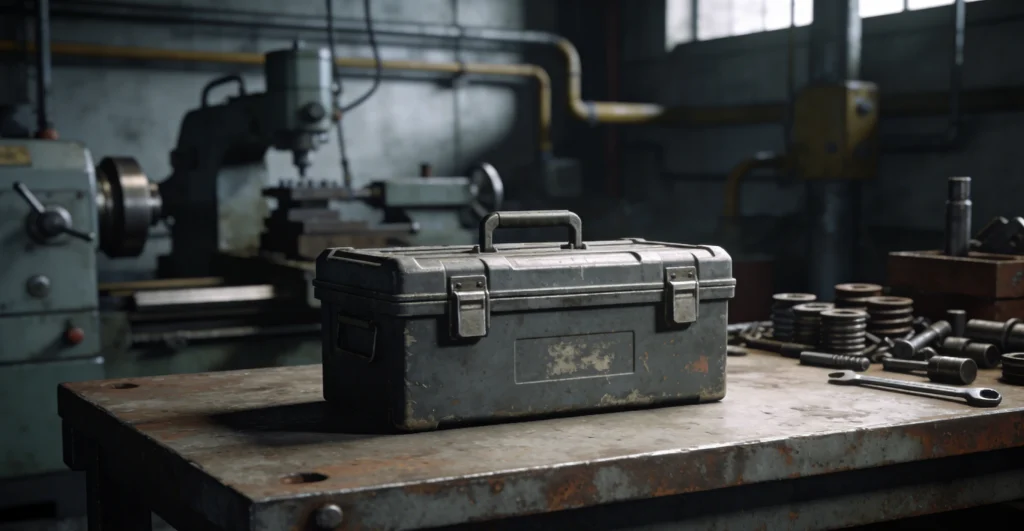
Industrial environments place higher demands on tool boxes, making stability and durability more important. Thicker shells are better suited for heavy tools and accessories, while wear-resistant wheels can handle complex flooring. Even after long-term use, the structure remains stable. In high-intensity environments, a modular tool box must not only hold more, but also withstand more, in order to truly deliver value.
What Details Should Be Considered When Choosing a Modular Tool Box
To make flexible storage truly effective, purchasing decisions should not rely on appearance alone. Tool quantity, mobility, and usage frequency should all be taken into account.
Capacity should match the number of tools
When capacity is appropriate, tool management becomes easier.
- For fewer tools, a compact model saves space.
- For a wider variety of tools, an expandable solution offers more flexibility.
- Leaving room for future upgrades makes later use easier.
When capacity is well matched, the modular tool box can stay organized over time without becoming overcrowded or wasteful.
Material and workmanship affect service life
A modular tool box is a high-frequency-use product, and its material and details directly affect the user experience.
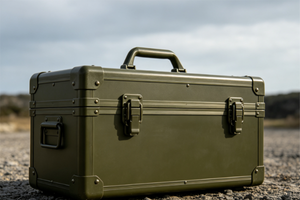
- The outer shell should be impact-resistant, with protected corners.
- Drawers, locks, and slides should be smooth and durable.
- Well-made products are better suited for long-term use.
Good materials and craftsmanship not only improve durability, but also reduce future maintenance costs.
Mobility and stability both matter
Different work environments have different mobility requirements for tool boxes.
- Scenarios that require frequent movement are better suited to wheels and pull handles.
- Fixed storage places more emphasis on stacking stability.
- Balancing both needs makes the tool box suitable for a wider range of uses.
A modular tool box that can move, stay fixed, and expand is easier to adapt to changing work rhythms.
The value of a modular tool box lies not only in its capacity, but also in its ability to stay organized, be easy to find, and move with ease. Whether in workshop maintenance, home organization, or industrial sites, the right modular combination can make tool management clearer. SIPHIA BOX focuses on modular tool boxes and tool storage solutions. Visit our official website to learn more about products suited to real-world use.