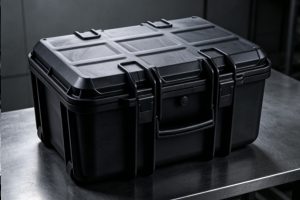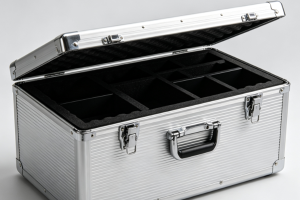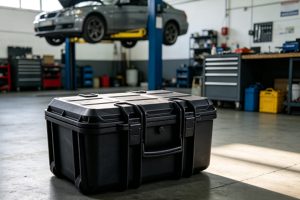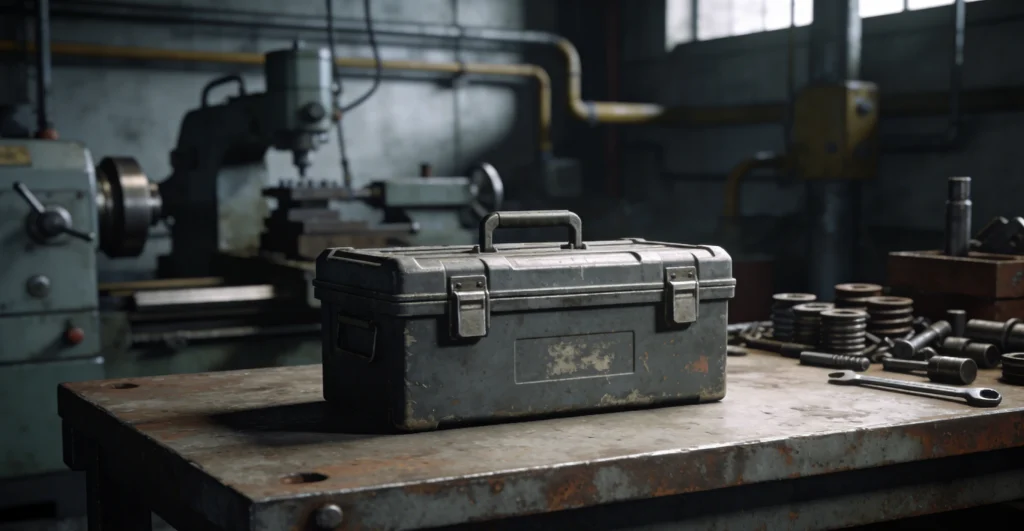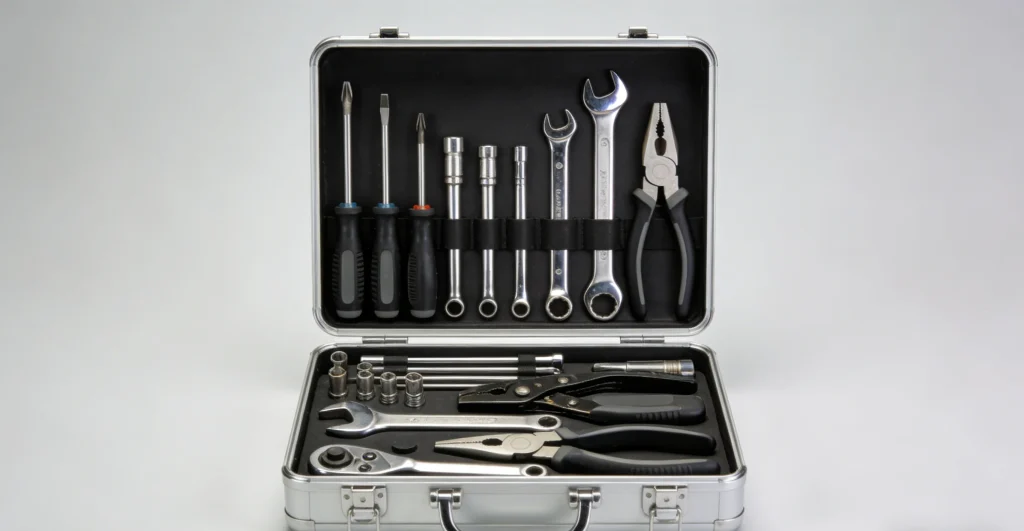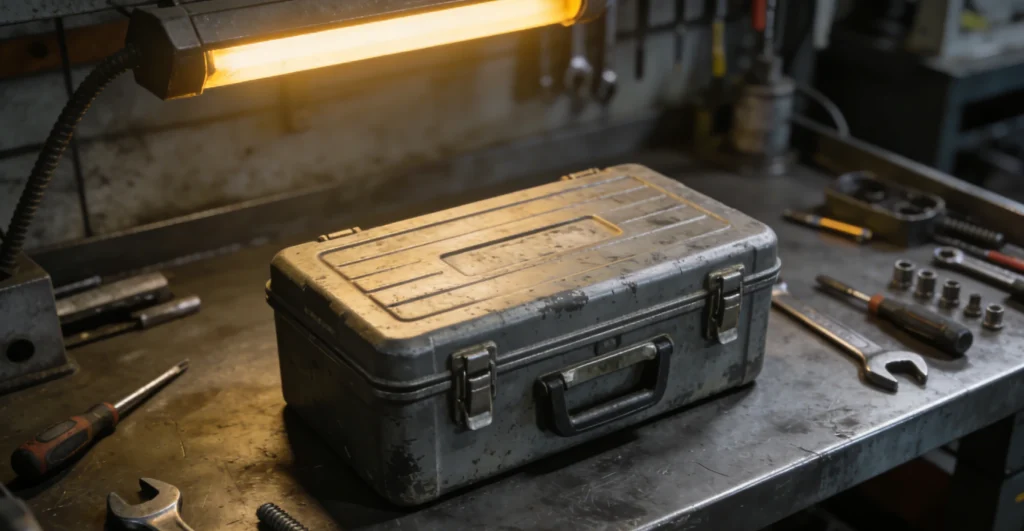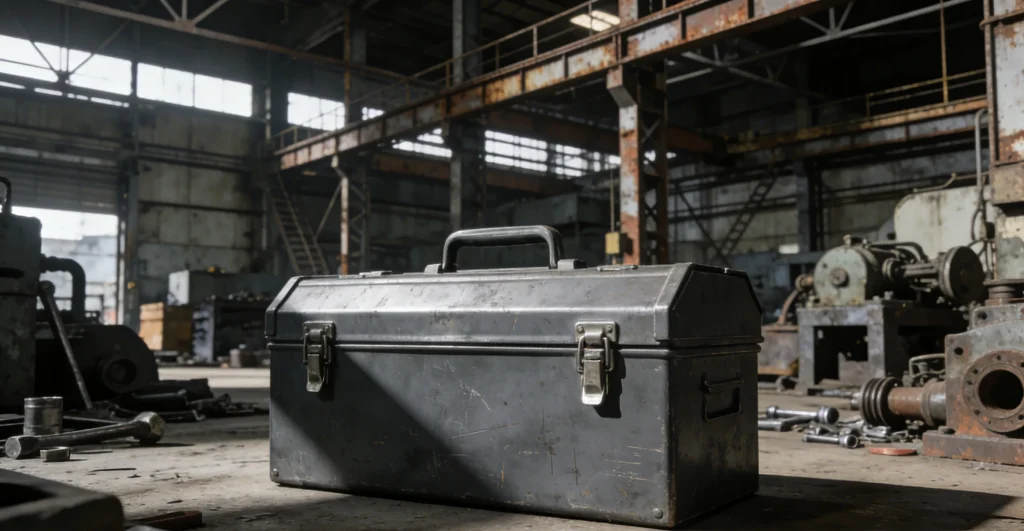
A mechanical tool box is a commonly used tool storage device for maintenance workers, engineers, and production workshop staff. As maintenance tasks continue to increase, the types of tools also become more diverse, including wrenches, screwdrivers, sockets, pliers, measuring instruments, spare parts, and other accessories. Without a reasonable storage design, tools can easily become mixed together, lost, or difficult to access. To improve tool management efficiency, many mechanical tool boxes are designed with internal compartment structures, allowing different areas to be used for storing various tools according to size, purpose, and frequency of use.
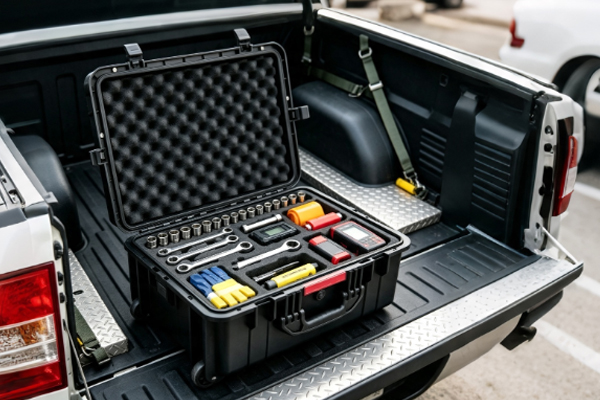
The internal compartments of a mechanical tool box are not only a simple space division design but also improve the convenience of tool box usage. When workers perform equipment maintenance, they can quickly find the required tools, reduce searching time, and prevent damage caused by tools colliding with each other. Different types of compartment designs can also meet the requirements of different working environments.
Main Functions of Internal Compartments in a Mechanical Tool Box
Classify and Store Tools to Improve Search Efficiency
The most direct function of internal compartments in a mechanical tool box is to provide classified tool management. Traditional tool boxes without compartments usually store all tools together. When tools are needed, users must repeatedly search through the box, which not only wastes time but also easily causes disorder. Through internal compartment design, different types of tools can be stored separately. For example, large and heavy tools such as wrenches and hammers can be placed in the bottom area, small tools such as screwdrivers and hex wrenches can be stored in upper compartments, while small parts, screws, and nuts can be placed in independent small sections. In this way, workers can quickly locate the tools they need during equipment maintenance and improve work efficiency.
Prevent Tool Collisions and Reduce Damage
Most mechanical tools are made of metal materials. Although they have high strength, long-term collisions between tools may still cause surface scratches, edge wear, and other problems. Internal compartments in mechanical tool boxes can provide buffering and protection by maintaining a certain distance between different tools. For example, precision measuring tools and electronic testing equipment have higher requirements for storage conditions. If they are stored together with large metal tools, they may be impacted during transportation, affecting their accuracy. Through independent compartments, direct contact between tools can be reduced, minimizing unnecessary damage. Some high-quality mechanical tool boxes also use foam pads, shock-resistant inner linings, or adjustable divider designs, allowing tools to be more securely fixed inside the box. Even when the tool box needs to be moved, internal tool shaking can be reduced.
Make Reasonable Use of Space and Increase Tool Box Capacity
Internal compartments in mechanical tool boxes can fully utilize limited space and provide higher storage capacity. A reasonable compartment layout can prevent tools from being piled up randomly, allowing the same size tool box to store more items. For example, drawer-type mechanical tool boxes are usually designed with multiple drawers of different heights for storing tools of different sizes. Shallow drawers are suitable for storing screws, measuring tools, and other small items, while deeper drawers can hold power tools or larger accessories. This type of space planning allows the internal area of the tool box to be fully utilized while preventing problems such as difficulty closing the box or transportation issues caused by excessive tool accumulation.
Improve Work Safety and Prevent Tool Loss
During maintenance work, tool management is also an important part of ensuring operational safety. If tools are placed randomly, they not only affect the working environment but may also result in missing tools. Internal compartments in mechanical tool boxes help workers clearly understand the quantity and storage locations of tools. After maintenance is completed, workers can quickly check whether all tools have been returned according to the compartment positions, reducing the risk of tools being left inside equipment or at the work site.
What Are the Differences Between Different Types of Mechanical Tool Box Compartment Designs?
Fixed Compartments: Stable Structure Suitable for Long-Term Use
Fixed compartments are one of the more common designs used in mechanical tool boxes. These compartments are usually firmly connected to the box structure and are not easily moved, making them suitable for storing fixed types of tools. For example, large tool boxes in repair workshops are often placed in fixed locations for long-term use. Workers can plan storage areas according to tool sizes. Fixed compartments maintain a stable internal structure and are suitable for frequent daily use.
Adjustable Compartments: Convenient for Changing Storage Methods
Adjustable compartments can be modified according to tool sizes and are more suitable for working environments where tool types frequently change. Users can move divider positions according to actual needs, increasing or reducing storage areas. For example, an equipment maintenance engineer may use ordinary tools, power tools, and testing equipment at the same time. Different tasks require different tool combinations, and adjustable compartments allow users to flexibly modify the internal space.
Drawer-Type Compartments: Convenient for Quick Access
Drawer-type structures are commonly used in large mechanical tool cabinets or mobile tool carts. Each drawer can serve as an independent storage area, making tool classification clearer. During use, users only need to open the corresponding drawer to find the required tools without moving other items. This design is especially suitable for professional maintenance environments with a large number of tools.
How to Choose Internal Compartments for a Mechanical Tool Box?
The compartments of a mechanical tool box are not necessarily better just because there are more of them. The design should be selected according to actual usage requirements. If the main purpose is storing large maintenance tools, a compartment design with larger storage areas should be selected to avoid situations where tools cannot fit. If a large number of small parts need to be stored, a structure with small classified sections should be chosen.
When selecting a tool box, attention should also be paid to compartment materials. Metal compartments provide better load-bearing capacity and are suitable for storing heavier tools. Plastic dividers are lighter and easier to move. Compartments with soft padding provide better protection and are suitable for storing precision tools. In addition, the working environment also affects compartment selection. Workshop environments usually focus more on durability and load-bearing capacity, while outdoor maintenance places greater importance on portability and shock resistance.
Frequently Asked Questions
Q: Does a mechanical tool box with more compartments provide better storage performance?
A: Not necessarily. The number of compartments should be reasonably designed according to the types of tools. If there are too many compartments, large tools may not fit properly; if there are too few compartments, effective classification cannot be achieved. Therefore, choosing a layout suitable for the size of your tools is more important.
Q: Can the internal compartments of a tool box be modified by users themselves?
A: Some tool boxes support later adjustments, such as removable dividers and movable slots, which can be rearranged according to requirements. However, fixed compartments are generally not recommended to be modified without professional guidance, as this may affect the overall strength of the tool box.
The internal compartments of a mechanical tool box are not only used for simple space division. More importantly, they help users establish a scientific tool management method. Through classified storage, collision prevention, improved space utilization, and convenient tool quantity checking, compartment designs can significantly increase the practical value of a tool box. An excellent mechanical tool box requires not only a strong external structure but also a reasonable internal design. Only through the combination of both can tools receive better protection and daily maintenance work become more convenient and efficient. Proper use of internal compartments can transform a tool box from a simple storage device into a more professional tool management system.